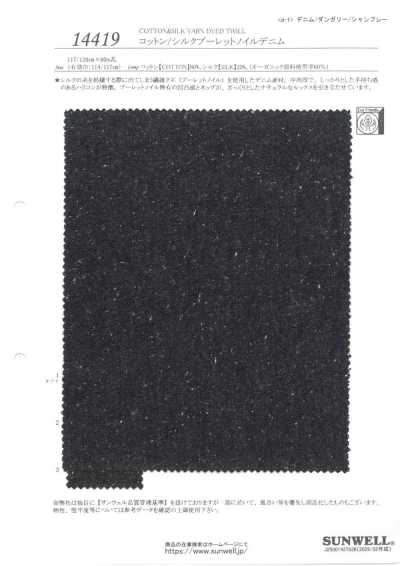
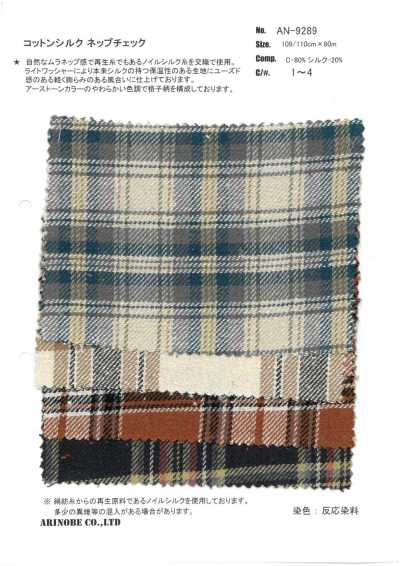
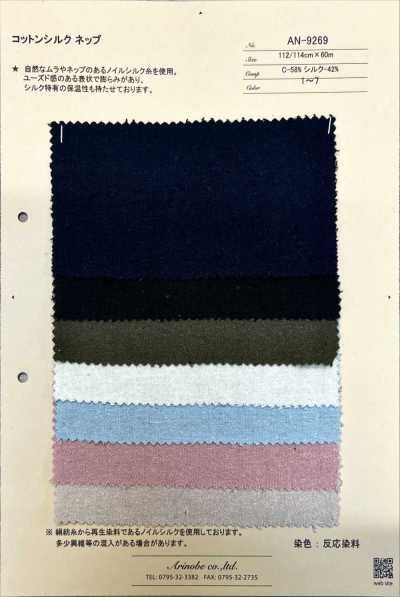
Patterned Gauze
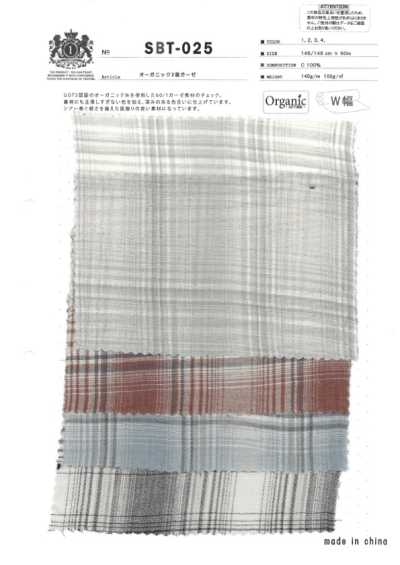
Patterned gauze is a lightweight woven fabric in which a woven pattern is created on a sheer gauze ground. The sheerness of the ground and the light and dark tones of the pattern overlap, creating a cool, layered appearance.


Contents6 sections
Definition and Overview
Patterned gauze is a woven fabric that uses gauze with an openwork structure created by leno weave as the ground and features woven motifs such as flowers and geometric patterns. Traditionally, it has been used as silk fabric for summer kimono fabric and haori fabric.
The motifs are expressed through the way the yarn floats, weaving density, and changes in weave structure. Rather than adding color patterns to the surface like a print, it is characterized by the shadows and sheerness created by the weave structure itself.
Features and Appearance
The entire ground has fine openwork, allowing air to pass through easily and giving it a light, cool appearance. Another feature is that the way the pattern looks changes when held up to light or when the color layered underneath changes.
Because the motif areas differ in structure and density from the surrounding areas, differences in luster, sheerness, and shadowing appear. However, sheerness, firmness, and drape vary greatly depending on yarn thickness, material, density, and finishing.
Main Uses and Season
It is mainly used for summer kimono, haori, and long under-kimono. Taking advantage of its sheerness, it is a fabric suitable for lightweight traditional garments that require both coolness and decoration.
Outside of clothing as well, it may be applied to layered costumes and decorative uses by making use of the feature of showing woven patterns on a sheer ground. When deciding on applications, separately confirm the required see through prevention and strength.
Selection and Handling Notes
When selecting, check the size and repeat of the pattern, the sheerness of the ground weave, the material, the color, and whether a lining is needed by examining the actual fabric. If the pattern has a direction or is large, it is necessary to consider pattern placement and matching when cutting.
Because it is a thin fabric with openwork, seam puckering, yarn slippage, and needle holes may stand out during sewing. It is important to choose a fine needle and a fine yarn suitable for the fabric, and to check thread tension and feeding with a test stitch.
Shrinkage, wrinkling, and changes in texture caused by washing vary depending on the material and finishing process. Whether home washing is possible depends on the washing instructions for each fabric; pre-washing or a washing test should be performed in advance to confirm dimensional changes.
Differences from Similar Terms
Gauze is a general term for thin woven fabrics that create openwork through leno weave. Patterned gauze refers to gauze with woven motifs added to the gauze ground, so its method of expressing patterns differs from solid gauze.
Ro is a woven fabric in which the openwork appears in horizontal stripes. In contrast, gauze and patterned gauze generally have openwork spread across the entire ground. Jacquard can also refer to a weaving method or woven fabric used to create complex woven patterns, and it is also used to produce patterns in patterned gauze.
Frequently Asked Questions
What is the difference between patterned gauze and ro?
Patterned gauze is a fabric with woven patterns on a gauze ground with openwork. Ro differs greatly in that the openwork appears in horizontal bands. Patterned gauze makes it easy to enjoy the sheerness of the entire ground and the shadows of the pattern, while ro is characterized visually by horizontal ro stripes.
Can patterned gauze be washed at home?
Whether it can be washed at home cannot be determined from the weave name patterned gauze alone. Traditional silk products may shrink or change texture when washed with water. This varies depending on the blend ratio, dyeing, and finishing, so always follow the washing instructions on the product.
What should you be careful about when sewing patterned gauze?
Because patterned gauze is thin and sheer, needle holes, seam shrinkage, and puckering are easy to notice. Use a fine needle and yarn suitable for the fabric, and adjust presser foot pressure and thread tension with test stitching. Also check the pattern direction and placement when cutting.