Needle Drop
Needle Drop is a knitting structure and method in circular knitting that creates vertical ridges and narrow stripe-like surfaces by leaving some needles out of the knitting process.
Contents6 sections
Definition and Overview
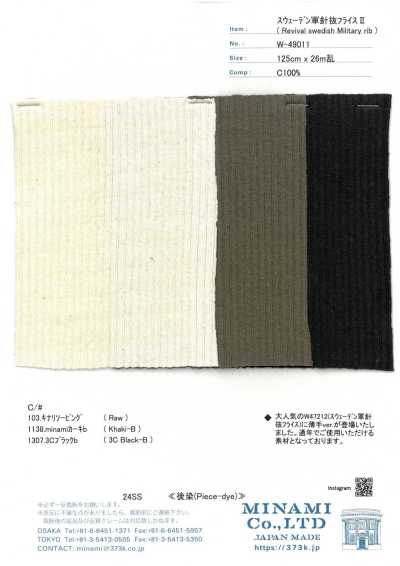
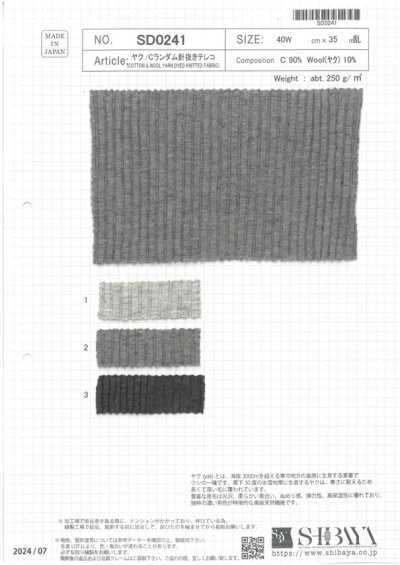
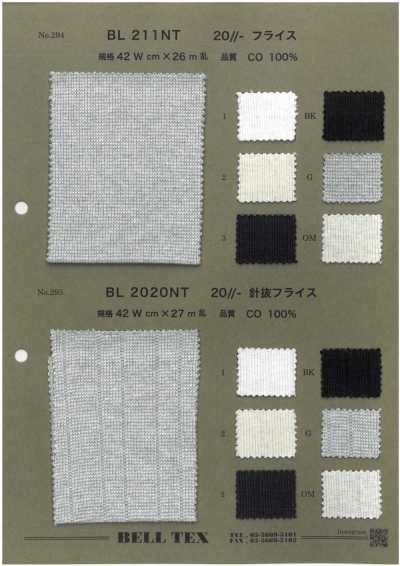
Needle Drop is a method of creating vertical ridges and grooves in knitted fabric by dropping, or not knitting, needles in a circular knitting machine at regular intervals. Even in a solid fabric, it creates a sense of dimension and a surface with continuous vertical lines.
Needle Drop is not a material name, but a term that indicates the knit structure and appearance. It is knitted with yarn such as cotton, polyester, and rayon, and in some cases polyurethane is blended in to add stretch.
Knitting Method and Structure
In Needle Drop, knitting and non-knitting needles are arranged in a regular pattern. The sections that do not participate in knitting become vertical grooves, while the sections where stitches are formed appear as ridges, creating a raised-and-lowered effect like vertical stripes.
Needle Drop based on double-knit structures such as circular rib and TERECO Rib Fabric changes in stretch and ridge definition depending on the stitch arrangement on the front and back sides. The softness, thickness, and recovery also vary depending on yarn thickness, stitch density, and the structural design.
How Specifications Are Written
In specifications and fabric swatches, check the knitting machine gauge, finished width, fabric weight, blend ratio, as well as the Needle Drop spacing and rib-knit structure. Gauge is an indicator of the fineness of the knitting machine needles, and even with the same Needle Drop, the fineness of the ridges changes depending on the gauge.
The number of elastic bands may indicate the number of knit and purl stitches that form the ridges, or the repeat of the Needle Drop pattern. However, notation differs by fabric supplier and knitting facility, so rather than judging by terms alone such as single-needle drop or double-needle drop, it is important to confirm with the structure chart and the actual sample.
- Gauge: the fineness of the knitting machine needles
- Fabric width: the effective width after finishing
- Number of elastic bands: notation related to ridge construction and Needle Drop spacing
- Stitch density: the size of the stitches and how tightly the fabric is knitted
Main Applications and How to Choose
Needle Drop makes use of stretch and surface variation, and is used for body panels, cuffs, hems, and collars in cut-and-sew garments. Fine ridges tend to give a delicate impression, while wider ridges tend to look casual and more pronounced, so the ridge width is selected according to the product application.
When used as a trim for cuffs or hems, check the color difference from the body, thickness, stretch recovery, and dimensional change after washing. When used for collars, it is also important to check the restoring force after the neck opening is stretched and that it does not easily ripple after sewing.
Sewing Considerations and Differences from Similar Terms
Needle Drop fabric stretches easily along the ridges, and if it is pulled during cutting or sewing, the dimensions may change and the seams may ripple. Align the grain, relax the fabric, and adjust the differential feed, presser foot pressure, and seam elasticity to suit the fabric.
Circular rib is a general term for double-knit fabrics with similar front and back sides, and Needle Drop circular rib adds a Needle Drop texture of raised and lowered surface detail to that structure. TERECO Rib Fabric often refers to rib knitting in which knit and purl stitches appear alternately, and Needle Drop TERECO is a name for TERECO structure with a Needle Drop design added.
Frequently Asked Questions
What is the difference between Needle Drop rib and regular rib?
Regular rib is basically a ridge formed by alternating knit and purl stitches, but Needle Drop rib creates more distinct vertical grooves and striped texture by leaving some needles out of the knitting process. The appearance of the ridges, thickness, and stretch vary depending on the structure and yarn use.
What do single-needle drop and double-needle drop indicate?
Generally, they refer to the spacing or number of needles that are not included in knitting. Double-needle drop may make the grooves and ridges stand out more than single-needle drop, but the naming standard differs by knitting factory. When ordering, confirm with the structure chart, ridge width, and actual sample together.
What should be considered when sewing Needle Drop fabric to collars or cuffs?
Check the difference in stretch between the body and the trim, and if necessary, stretch the trim side to the specified dimension before sewing it on evenly. If it is stretched too much, it will ripple; if not enough, it will be prone to gaping. Before mass production, confirm the recovery after washing and the fit around the collar with a sample.