


Oni Pique Knit
Oni pique knit is a knit fabric that expresses the texture of pique knit in a larger-than-usual raised pattern, with a three-dimensional, coarse surface and a dry, smooth feel with relatively little area in contact with the skin.
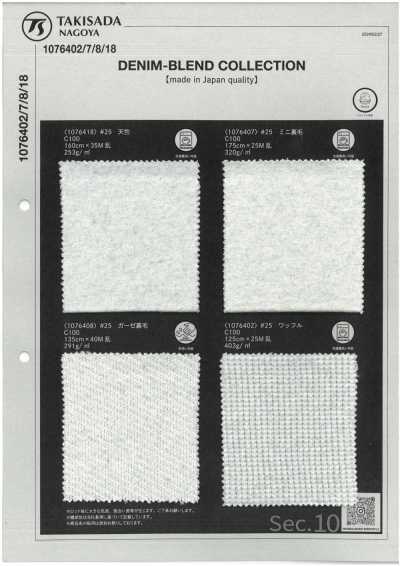
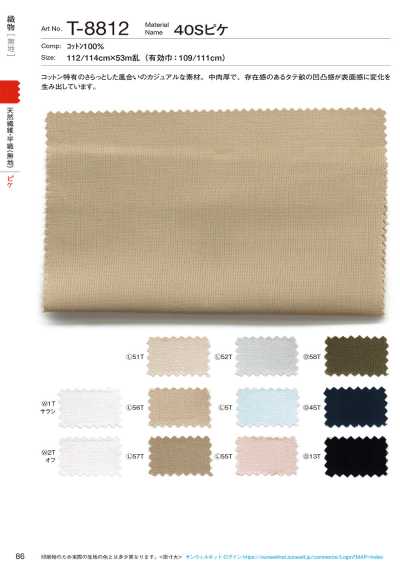
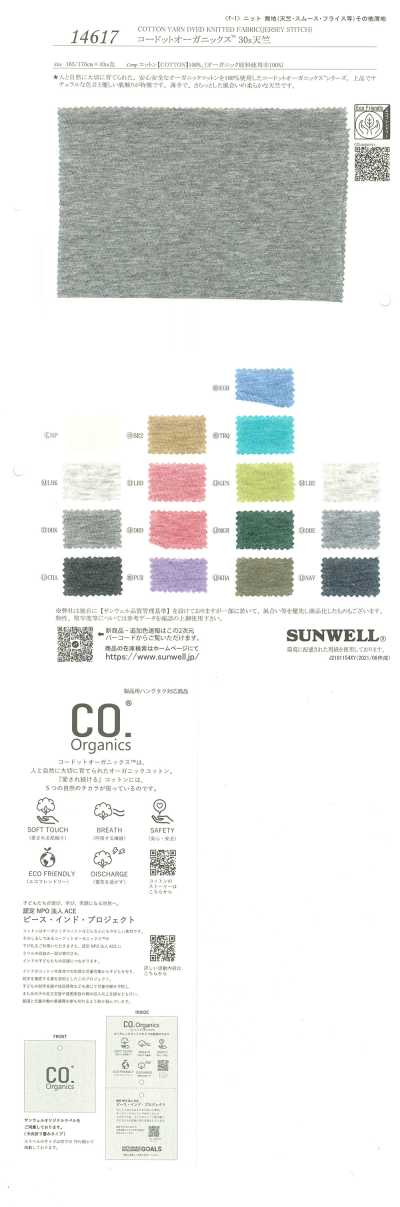
Contents6 sections
Definition and Overview
Oni pique knit is a knit fabric in the pique knit family, characterized by small raised and recessed textures on the surface, with a larger-than-usual textured pattern created by the stitches and structure. “Oni” is a term used to emphasize something large, and it does not indicate the type of fiber or blend ratio.
Because the texture stands out more than in ordinary pique knit, it gives a sense of dimension even in a solid color. Thickness, stretch, sheerness, and firmness vary greatly depending on the material, yarn thickness, knit density, and finishing process.
Features
The larger texture tends to reduce the area of contact with the skin, making this a knit fabric that is easy to wear with less cling. Breathability can also be expected, but actual performance depends on the tightness of the structure and the yarn used.
Its appearance tends to give a sporty, casual impression, and the shadows created by the knit structure add character. On the other hand, the larger the texture, the more likely it may be to snag, and surface friction can sometimes cause fuzzing.
- The hand feel varies by material, from a smooth dry touch to a soft feel.
- Thickness and sheerness need to be checked based on gauge, yarn thickness, and color.
- Because it is a knit that stretches mainly in the crosswise direction, its behavior differs from woven fabric.
Main Applications
It is used for items that take advantage of surface texture and breathability, such as polo shirts, short-sleeve shirts, and cut-and-sew tops. In relatively substantial knit fabrics, it is also used for collared tops and uniform applications.
Although it has a strong spring-and-summer image, it is also used for year-round tops depending on yarn usage and fabric weight. If the fabric has thickness and body, it is also suitable for designs that do not show the body line easily.
Selection and Handling Notes
When planning, check not only the material composition but also fabric weight, gauge, stretch, sheerness, and dimensional change after washing. Even under the same name Oni pique knit, the size of the texture and the stability of the knit are not uniform, so checking the actual material is important.
Before cutting, let the roll rest sufficiently and, if necessary, pre-wet it, then set the pattern with shrinkage and twisting in mind. During sewing, do not pull the fabric; use sewing methods that accommodate differential feed and stretch to reduce seam waviness and stretching.
Follow the care label on the product for washing. Because the textured areas are prone to friction, washing the item inside out and using a laundry net can help reduce stress on the surface. During drying, reshape the garment, and excessive high-heat drying may lead to shrinkage and changes in hand feel.
Difference from Pique Knit
Pique knit is a general term often used for knit fabrics with a textured surface. Oni pique knit refers to a type with larger and more prominent texture and stitch definition, but there is no strictly standardized specification.
Waffle is also a textured knit, but its structure is mainly expressed in a square or honeycomb pattern. Oni pique knit is named based on the granular surface characteristic of pique knit, and the two are distinguished by appearance and structure.
Frequently Asked Questions
Is Oni pique knit cooler than ordinary pique knit?
Oni pique knit tends to be less close-fitting to the skin because of its texture, making it easier to achieve breathability. However, coolness depends on the material, yarn thickness, knit density, color, and garment ease. Do not judge by the name alone; it is necessary to check the actual fabric thickness and breathability.
Does Oni pique knit shrink when washed?
The degree of shrinkage varies depending on the material, such as cotton, the density of the knit, dyeing and finishing, and whether the garment has been washed before production. Since knit fabrics may change in dimensions after washing, a washing test should be conducted before mass production, and the shrinkage rate and twisting should be checked and reflected in the pattern and sewing conditions.
What should be noted when sewing Oni pique knit?
Because knit fabrics tend to stretch during cutting and sewing, it is important not to pull the fabric and to feed it carefully to prevent seam waviness. Adjust the needle, thread, stitch length, and differential feed through test sewing, and consider using stabilization tape in areas where stretch should be controlled, such as the neckline and button placket.





