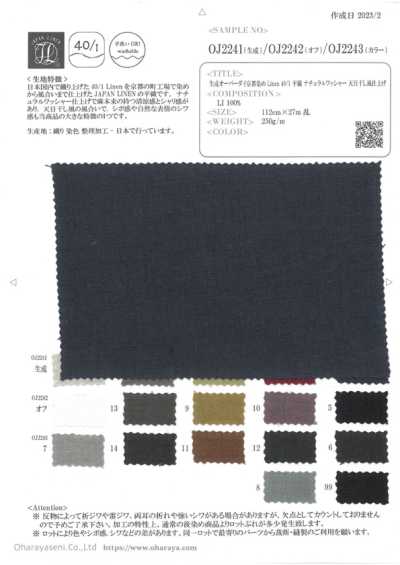
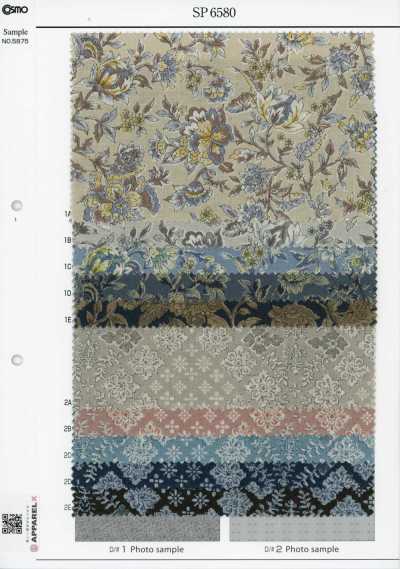
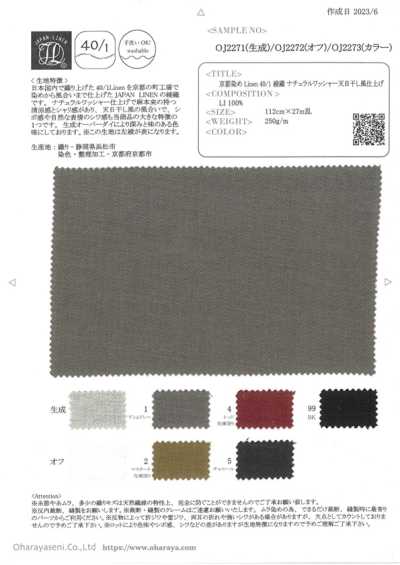
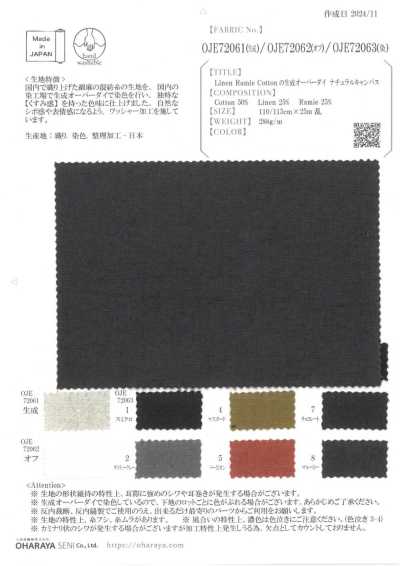
Overdye
Overdye is a process of dyeing over textile or products that have already been colored or printed, creating a deep color tone or a faded effect.
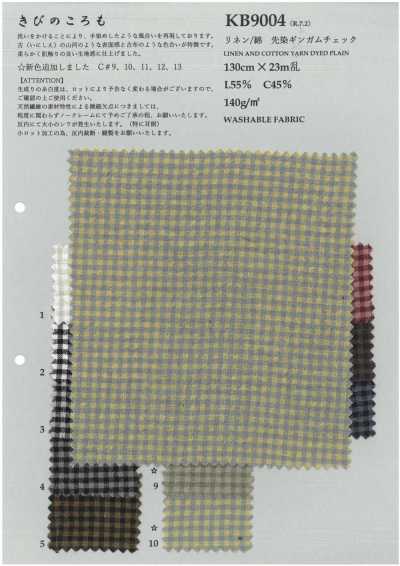
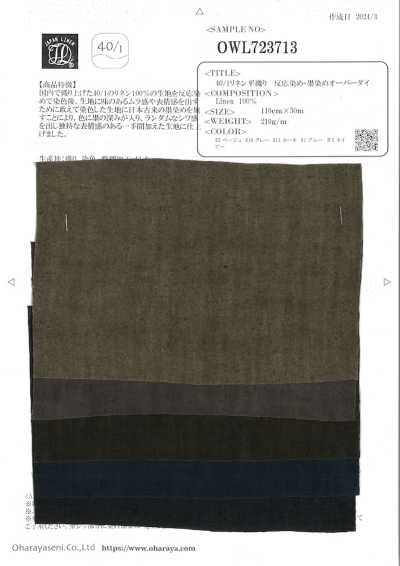
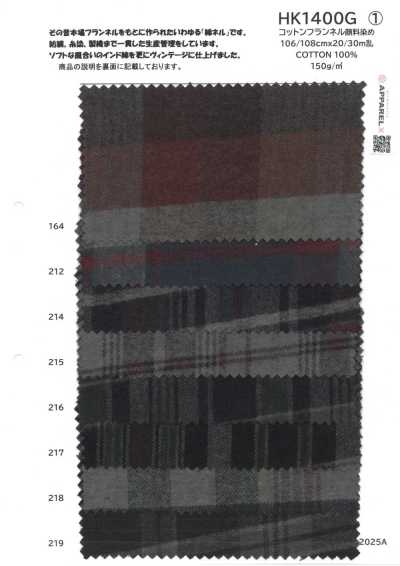
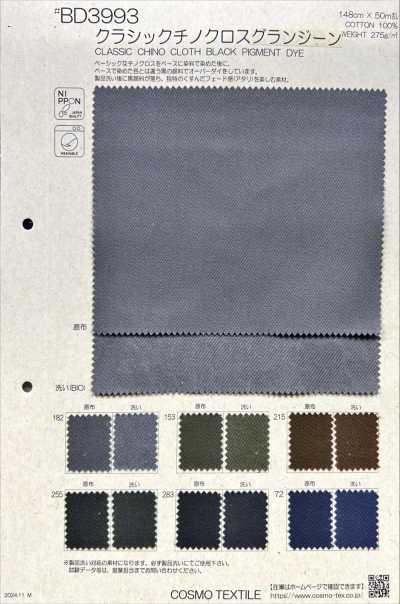
Contents5 sections
Definition and Overview
Overdye is a processing method that dyes material with a different color over a base that already has color or a pattern. It is used not only to completely cover the base, but also to change the overall color tone while allowing the original color or pattern to show through.
In addition to overdyeing with dye, there are also methods that use pigment to layer color onto the surface. Depending on the material used, the base dyeing method, and the dye or pigment, the resulting color development, depth, and texture can vary greatly.
Features
Because the base color or pattern and the overlaid color appear blended, overdyeing creates depth and a complex color tone that differs from solid dyeing. When applied over print or yarn dyed stripes, it can soften the impression of the pattern or change it to a more subdued tone.
In pigment overdyeing, fading and wear marks appear on the surface, creating a worn-in look or a vintage feel. On the other hand, the shading and color appearance may not be uniform depending on the weave structure, fuzz, and seams of the textile.
Overdye is mainly a decorative process and differs from processing that adds functions such as shrink resistance or water repellency. The texture after processing should be checked individually, including dyeing conditions and whether any post-processing is applied.
Main Applications
It is used on casual materials such as chino cloth, denim, and twill to create deep color tones and a workwear-like look. It is suitable for items that showcase the material feel, such as shirts, pants, jackets, blousons, skirts, and dresses.
It is also used to change the color tone of print textiles and stripe textiles. It can be applied to both heavy and lightweight textiles, but the seasonal feel is not determined by the overdye process itself and is influenced by the base material, thickness, weave structure, and tailoring.
How to Choose and Handling Precautions
During planning, check the appearance of the base pattern, color depth, and surface texture using a finished sample. Even with the same processing name, the finish will differ if the base color or material differs, so it is important to judge not only from color swatches but also from the actual textile.
Depending on moisture, heat, and mechanical action during processing, the textile may shrink. Check the shrinkage rate before cutting, and if necessary, carry out washing and setting. For patterned items, consider pattern matching, including how the pattern appears after overdyeing.
For dark colors and pigment-based items, color fading and color transfer may occur through washing or friction. In sewing, pay attention to color differences with sewing thread, interlining, and trims, as well as puckering around the seams, and decide how to handle the item according to the washing instructions and colorfastness test results.
Frequently Asked Questions
What is the difference between overdye and piece dyed?
Piece dyed refers generally to the process of dyeing woven or knitted textile after production. Overdye usually refers to applying an additional layer of color over a base that already has color or a pattern. Its key characteristic is making use of the visibility of the base.
Does overdye textile fade?
The degree of fading varies depending on whether it uses dye or pigment, the material, the depth of color, and the processing conditions. Dark colors may transfer to other items through friction or washing, so it is necessary to check colorfastness and, at first, handle it according to the washing instructions, such as washing separately.
What should be noted when sewing overdye textile?
Check the shrinkage rate caused by processing before setting the fabric allowance and pattern. Also, sewing thread, interlining, and trims may dye differently from the textile and show color differences. Before mass production, carry out sewing tests and washing tests to check the appearance of the seams and color transfer.