Paraffin Finish
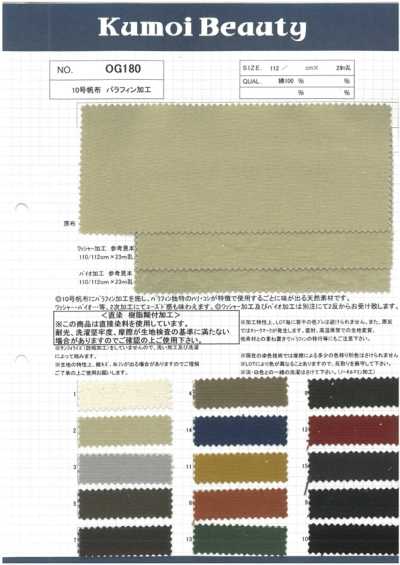
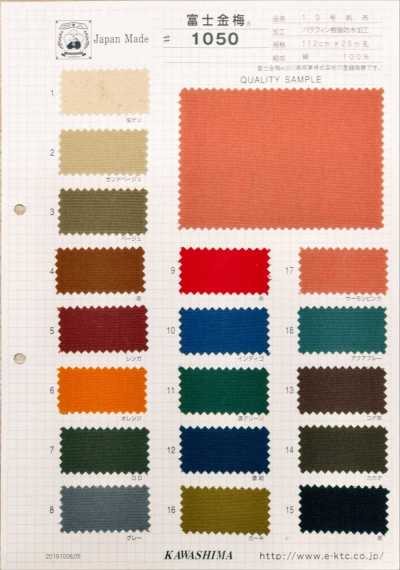
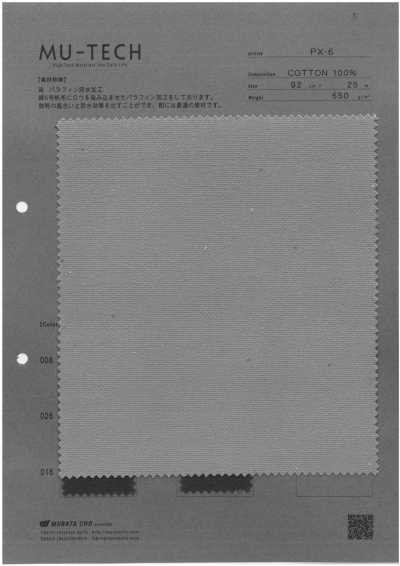
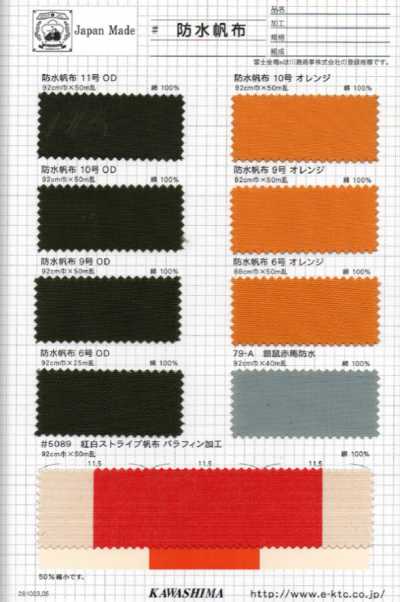
Paraffin finish is a finishing process that impregnates textile with paraffin, a petroleum-derived wax, giving it a distinctive stiffness and matte appearance, as well as a water-repellent quality.
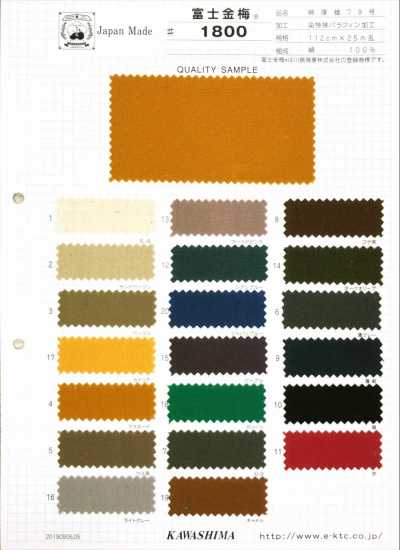
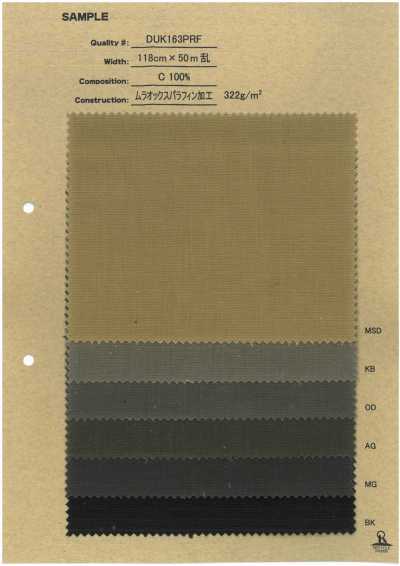
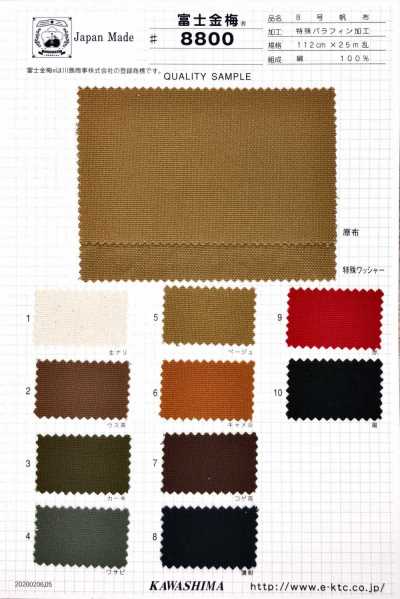
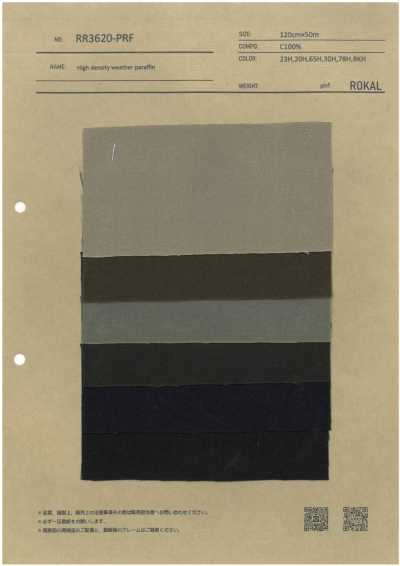
Contents6 sections
Definition and Overview
Paraffin finish is a processing method that impregnates textile with paraffin wax. By letting the wax penetrate between the fibers and weave, it makes it harder for water to seep in and creates a distinctive texture with firmness. It is often used for relatively sturdy cotton fabrics such as cotton canvas, canvas, and oxford.
It is also commonly referred to simply as “paraffin.” Unlike a coating that covers the textile surface with a film, its defining feature is that it is a finish that allows wax to penetrate into the textile itself. However, the surface feel and performance vary depending on the processing method and the type of wax used.
Texture and Function
The wax gives the textile body and resilience, making it feel somewhat stiff at first use. Areas that are bent or folded may show whitish chalk marks, and wrinkles or shading caused by abrasion may appear; these are used as part of the design as the item ages. It tends to have a subdued matte appearance rather than a gloss.
Because it reduces water penetration through the weave, it is more likely to shed rain. On the other hand, it is not a treatment that guarantees complete waterproof or moisture-permeable performance. Since the condition of the wax changes with wear, friction, washing, and heat, water repellency and appearance vary depending on the usage environment.
Main Applications
Its durability and rugged look make it suitable for bags, pouches, hats, aprons, workwear, field jackets, and more. In particular, for canvas and high-density cotton fabrics, it is adopted to supplement weather resistance while preserving the texture of the material.
Because the textile itself tends to gain thickness and body, it is well suited to items where you want to maintain three-dimensional shape. It is not a treatment that directly improves thermal insulation, but it may be used for autumn and winter outerwear exposed to wind and rain, outdoor applications, and bags used year-round.
- Fashion accessories such as bags and pouches
- Outerwear such as jackets, blousons, and coats
- Aprons, workwear, outdoor gear
Selection and Handling Notes
When choosing textile, check the amount of wax, the hardness after processing, how chalk marks appear, and the color appearance on the actual material. Even with the same paraffin finish, the perceived water resistance and ease of sewing differ depending on the density, thickness, and structure of the base textile. Required water resistance for the intended application should be confirmed through testing and specification checks in the finished product state.
Washing may reduce the wax or change the texture and water-shedding properties. When cotton is used as the base cloth, the inherent shrinkage of the base cloth itself must also be considered, and washing tests and shrinkage rate checks are necessary before mass production. High-temperature irons and dryers may cause wax migration, unevenness, and changes in appearance, so check the care label and the processor’s instructions.
In sewing, take care with feed issues caused by the firmness of the textile, stitch misalignment in thick sections, and water penetration through needle holes. Since needle holes can remain easily after resewing, confirm the sewing position carefully in advance. Wax may also adhere to the needle and presser foot, so check the sewing conditions and clean as needed while working.
Differences from Similar Terms
Water-repellent processing is a general term for functional treatments that make water droplets easier to repel. Paraffin finish also makes it easier to shed water, but it is characterized by the evaluation of the firmness from the wax, the matte feel, and the appearance changes caused by abrasion. Some types of water-repellent processing do not significantly change the texture.
Coating often refers to a process of applying resin or similar materials in layers to the textile surface, and is used to improve waterproofing or wind resistance. Because paraffin finish impregnates the textile with wax, it generally has a different feel and aging behavior from coating. Waterproof breathable materials have functions based on membrane or coating structures, and are distinguished from paraffin finish.
Frequently Asked Questions
Can textile with a paraffin finish be washed?
Whether it can be washed depends on the care label for the textile and product. Even if washing is allowed, the wax may decrease through washing, and properties such as water repellency, firmness, and uneven color appearance may change. When planning, confirm shrinkage and appearance changes, and if necessary assume spot care rather than home laundering.
Is paraffin finish a waterproof treatment?
Paraffin finish is a treatment that impregnates textile with wax to make water less likely to penetrate, and it may be handled as a waterproof treatment. However, because water can seep in through seams and needle holes, and performance changes with use, products that require complete waterproofing should be checked not only for the textile itself but also for the sewing specifications.
Are the white streaks or wrinkles on paraffin-finished textile defects?
When folded or rubbed, the condition of the wax can change and white streaks or shading may appear. This is called a chalk mark and may be treated as a characteristic look specific to paraffin finish. However, acceptable limits vary depending on the project intent and inspection standards, so it is important to share visual standards in advance using samples.