Pattern Width
Pattern width is the horizontal measurement occupied by the decorative pattern set in lace or tape, and it is specified separately from the overall width of the product.

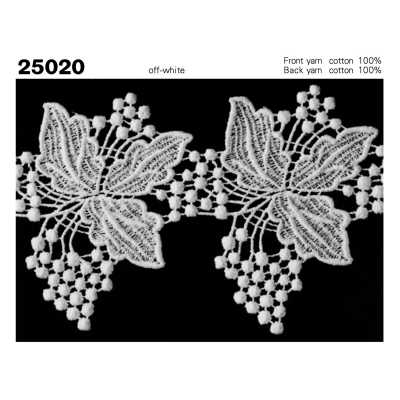
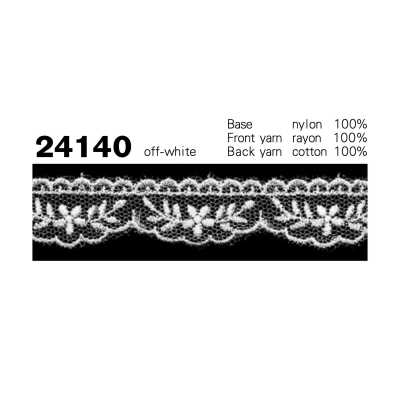
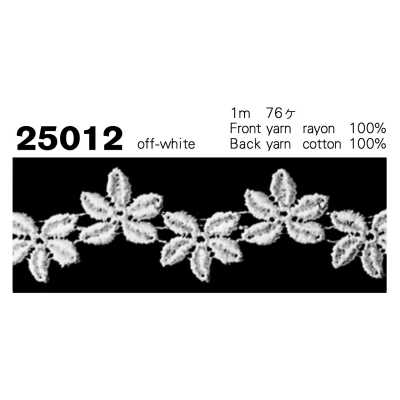
Contents6 sections
Definition and overview
Pattern width is a dimension that indicates the width occupied by the decorative part of a pattern in lace, tape, and similar items. It is used when describing the range of the central ladder pattern or embroidery pattern in relation to the full width of the lace.
In product specifications, “width” and “pattern width” may be listed together. In this case, width refers to the full width from edge to edge of the lace tape, while pattern width refers to the decorative portion from edge to edge, so it is important not to treat them as the same measurement.
- Width: the finished width of the tape or lace as a whole
- Pattern width: the width of the area where the decorative pattern is visible
- Solid selvage area: included in the full width, but may not be included in the pattern width
Construction and materials
Pattern width does not describe the material name or lace construction method; it is a dimension that indicates the range where the pattern is placed. It is used as a supplementary specification to show pattern composition in torsion lace, raschel lace, tulle lace, lace with embroidery, and similar items.
Even with the same pattern width, the appearance and softness vary depending on yarn thickness, knit structure, whether there is a base fabric, and embroidery density. Differences in materials such as cotton, polyester, nylon, and polyurethane blends also affect stretch, fraying tendency, and handling during washing.
Appearance characteristics and main applications
Lace whose pattern width is close to the full width has a large-looking pattern and creates a strong decorative presence. On the other hand, lace with a narrow pattern width and solid sections at both ends makes it easier to secure the sewing area and to adjust how the pattern is seen.
It is used for decoration around necklines, cuffs, hems, pocket openings, lingerie, children's clothing, costumes, and more. Because the position of the pattern can be used as a design reference, it also serves as a basis for deciding how to achieve a consistent look when the same lace is used in multiple locations.
Selection and handling precautions
When selecting, check not only the full width but also the pattern width, the width of the solid section, and the center position of the pattern. If the pattern is caught in the seam allowance, the design may be lost, so assume the actual sewing position and, if necessary, check the appearance with the actual item.
The pattern width of stretch lace changes when it is pulled. During cutting and sewing, do not stretch it excessively, and it is important to keep the amount of stretch on the left and right sides even. Since woven or open-mesh lace may lose threads or fray from the cut edge, consider the method for finishing the edges according to the specification.
Washability varies depending on the material and processing. To avoid snagging, distortion, and shrinkage during washing, follow the product's care label and use a laundry net if necessary. When ironing, pay attention to temperature and use a pressing cloth so as not to crush the pattern or delicate mesh.
Differences from similar terms
Pattern width is the area occupied by the pattern itself, and it is different from fabric width or the full width of the lace. Fabric width refers to the horizontal dimension of the material as a whole, such as a roll, while pattern width refers to the dimension of the design within it.
Scallop refers to a decorative edge shape such as a wave or semicircle at the edge of lace. Even lace with scallops may have a separately specified pattern width. Narrow lace is a category that indicates lace with an overall narrow shape, and it cannot be classified by pattern width alone.
Frequently asked questions
Should I choose based on the pattern width or the lace width?
The required dimensions for sewing and the cutting dimensions are basically based on the full width of the lace. Then, confirm the range of the pattern you want to show without it being hidden by the seam allowance using the pattern width. If you want the edge of the pattern to be visible, also check the width of the solid section.
Is the pattern width of stretch lace constant?
The pattern width of stretch lace is generally shown in its unstretched state. When stretched during use, the appearance of the pattern width changes along with the full width. Before mass production, check a prototype sewn with the specified amount of stretch and confirm any distortion of the pattern or differences between the left and right sides.