Elastic Yarn
Elastic yarn refers to a material made by forming elastic substances such as natural rubber or synthetic rubber into fine yarn, or a stretch yarn with that material as a core and covered with fibers.
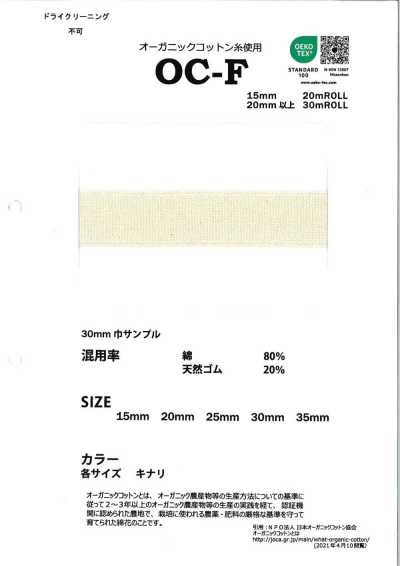
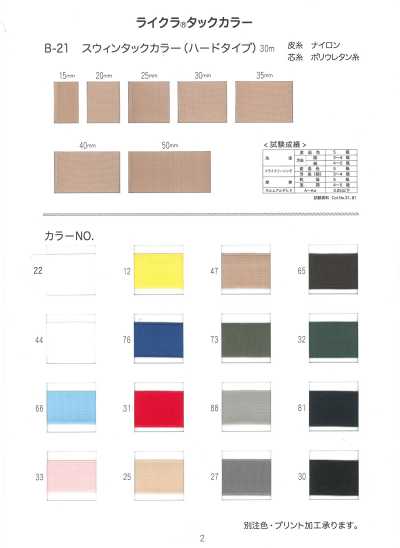
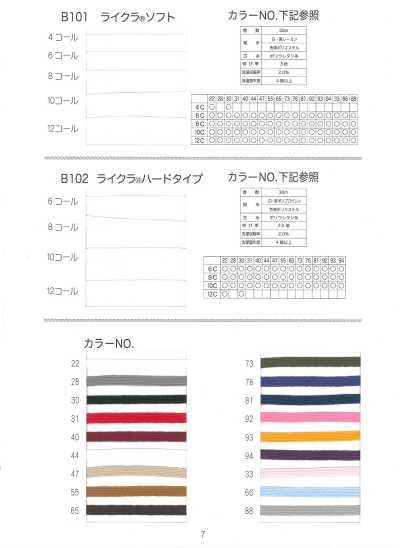
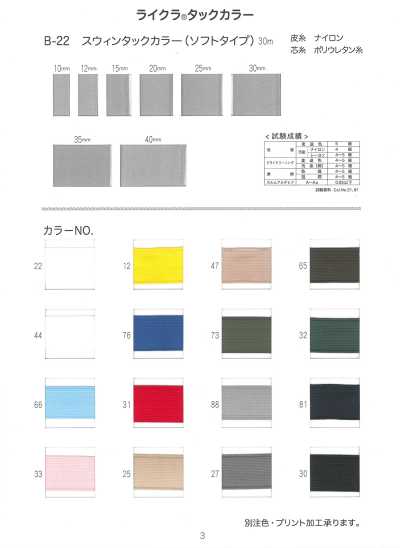
Contents6 sections
Definition and Overview
Elastic yarn is an accessory material that uses the property of stretching longer when pulled and returning toward its original length when the force is released. In addition to bare elastic yarn, there are types with an elastic core covered with polyester, nylon, or similar fibers to make them easier to use for sewing or braiding.
In apparel materials, the term may refer either to the elastic yarn itself or to an elastic material in which elastic yarn is incorporated into fabric or tape. In orders and specifications, it is important to clearly state whether it is the yarn alone or a finished material containing elastic.
Materials and Structure
Natural rubber or synthetic rubber is used for the core material, and properties such as weather resistance, chemical resistance, and wash durability differ depending on the application. Elastic yarn covered with fibers has a structure that reduces direct contact with the rubber and makes it easier to handle as sewing thread and to achieve a neat appearance.
Elastic yarn is woven into woven fabrics as warp or weft, knitted together with knitting yarn in knit goods, and incorporated into cords and similar items. Woven elastic, knitted elastic, and braided elastic may all use elastic yarn, but these names describe the structure of the finished product.
- Woven-in: Maintains shape well and is used for belts and elastic webbing.
- Knitted-in: A soft structure that makes it easy to create a close fit in apparel.
- Built-in: Used for round elastic or cord-like stretch materials.
How Thickness and Stretch Are Expressed
The thickness of elastic yarn is indicated in different ways depending on the product, such as diameter, yarn count, or denier. For elastic tape or cord, the product width plus the number of elastic yarns inside may also be shown by callout. The basis of notation should be checked for each material.
Stretch is evaluated by elongation rate, which indicates how far it can be stretched from a fixed length, or by elongation stress, which is the force required when stretched. For fit in use, not only the amount of stretch but also the ability to recover after stretching is a major factor.
Main Uses and Selection
In shirring, elastic yarn is sewn in to gather fabric and create a shirred, stretchy section. It is also used in cuffs, waistlines, innerwear, lingerie, masks, hair accessories, and inside elastic cords and belts.
When selecting, confirm the required stretch direction, finished width, feel against the skin, compatibility with the outer fabric, and sewing method. For shirring sewing, suitability for the machine and the combination of upper and lower threads affect how much the fabric gathers, so trial sewing is performed before mass production.
- Check the required tightening feel and recovery.
- Check durability against washing, sweat, chemicals, and sunlight according to the application.
- For light colors or thin fabrics, check whether the elastic shows through or causes color transfer.
Handling and Differences from Similar Terms
Elastic yarn can be affected by heat, ultraviolet light, moisture, oils, detergents, and solvents, and long-term use may cause hardening, stickiness, cracking, or reduced recovery. Store it away from high heat and humidity and direct sunlight, and check the product labeling for suitability for washing or dry cleaning.
Polyurethane yarn is also a stretch yarn, but its material differs from elastic yarn, which is made primarily from rubber. Shirring refers to the gathered expression or specification made by shrinking fabric with elastic yarn or similar materials, while shirring yarn is often the name for the elastic yarn used in that sewing process.
Frequently Asked Questions
Are elastic yarn and shirring yarn the same?
Shirring yarn generally refers to the elastic yarn used to gather fabric in shirring sewing. However, elastic yarn is a broader term and also includes rubber-like yarn used inside woven fabrics, knit fabrics, braided cords, and tapes. Choose based on the application and the yarn structure.
Can elastic yarn be sewn with a regular sewing machine?
Covered shirring yarn may be used in household or industrial sewing machines, such as in the bobbin thread. However, the compatible bobbin, rolling direction, and thread tension differ by product and machine. Do not pull it strongly; test the seam and gathering behavior on scrap fabric first.
What causes elastic yarn to lose its recovery?
Repeated stretching, heat, ultraviolet light, sweat and detergents, and pressure during storage can reduce recovery. The degree varies depending on the material and usage environment, so before commercialization it is necessary to check durability under the intended washing, drying, and storage conditions.