Sales Sample
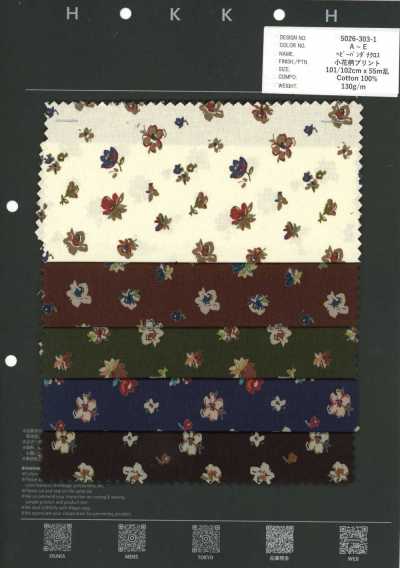
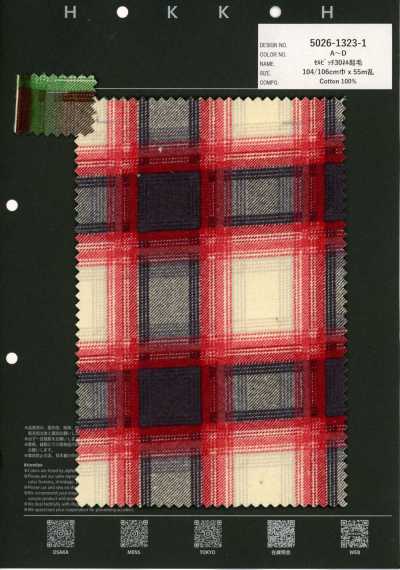
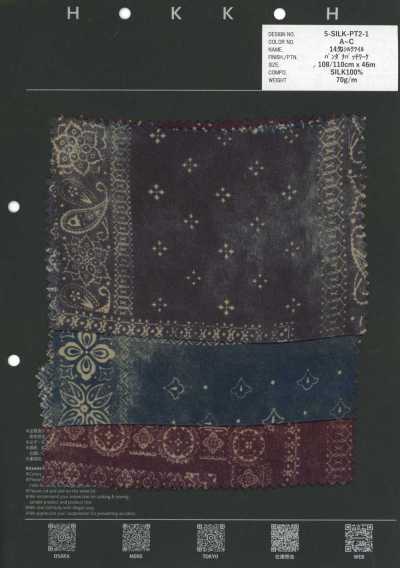
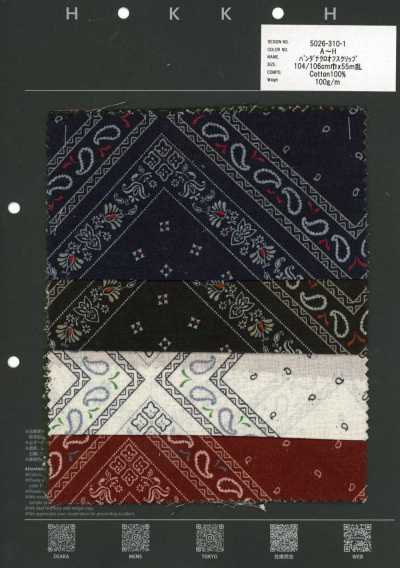
A sales sample is a sample product made with specifications and appearance close to the final production version, used for order acquisition activities at trade shows and in sales meetings.
Contents6 sections
Definition and Position in the Process
A sales sample is a product sample made to convey the planned concept to sales staff and buyers at trade shows and to win orders. It is sometimes abbreviated as SMS. Before mass production, it is prepared in a state where the design, color, materials, trims, and sewing specifications can be shown.
In general, it is produced after the first sample for concept confirmation and the sample used to refine specifications and fitting. However, if the trade show schedule takes priority, it may be developed in parallel with finalizing the specifications.
Differences from Other Samples
The first sample is a prototype mainly intended to check the planning intent, silhouette, and pattern at an early stage. In contrast, a sales sample is intended to be shown to sales prospects, so appearance, color variations, size labeling, and the finish of the trims are given greater importance.
A PP sample is a sample used to finalize approval of the production line, sewing specifications, and quality standards before mass production begins. A TOP sample is a sample taken from the early stage of mass-produced goods to check the production condition, and its timing and purpose differ from those of a sales sample for marketing.
How It Is Produced
Before production, gather the specification sheet, pattern, measurement chart, and information on the fabric and trims to be used, and clarify the submission date and the person in charge of checking. For exhibition use, multiple colorways and sizes may be prepared, so manage differences in materials and specifications by color and by size.
After the sample arrives, check not only the design but also the balance when worn, the sewing finish, the attachment position of trims, and the wording on labels and hang tags. Do not leave corrections at verbal instructions only; share them with the factory using a written instruction sheet that includes photos, measurements, and the relevant locations.
- Count backward from the trade show date and manage the periods for material procurement, sewing, processing, inspection, and transportation separately.
- List the color name, size, and sample number on both the product and the management sheet.
- If using substitute materials that will not be adopted for mass production, clearly state that information.
Points to Note for Ordering and Quality
For sales samples, the exact fabric and trims used in the final production may not be available in time, so similar materials may be used as substitutes. In that case, the color, hand feel, thickness, or metal hardware color tone of the mass-produced item may change after the order is received, so it is important not to leave any discrepancies between the sales materials and the internal mass-production instructions.
Because the impression at an exhibition affects orders, check for stains, thread finishing, sewing wrinkles, left-right differences, and the placement of prints and embroidery. On the other hand, even if a sample is finished for exhibition, it does not necessarily mean it is suitable for mass production. Confirm the factory process, acceptable quality level, and material supply conditions separately to finalize the mass-production specifications.
Management After Receiving the Order
Orders received at a trade show are managed by replacing the sales sample specifications with the confirmed fabric, trims, size, delivery date, and quantity. Keeping the sample used at the time of the order and making it available for reference together with the revision history helps prevent misunderstandings between the sales and production departments.
Before moving to mass production, confirm the differences between what was shown in the sales sample and the mass-production specifications. Matters that require explanation to the customer, such as color variation or trim changes, should be shared before production is decided, not after shipment.
Frequently Asked Questions
What is the difference between a sales sample and a PP sample?
A sales sample is a sample shown to customers at trade shows or in negotiations. A PP sample is a sample used to approve the factory's production specifications, sewing quality, materials, and processing conditions before mass production starts. The former is mainly for sales activities, while the latter is mainly for confirming whether mass production can proceed.
Does a sales sample need to be made with the same materials as the mass-produced item?
In principle, using the materials planned for mass production makes it easier to explain things to customers and manage mass production. However, substitute materials may be used due to delivery schedules or material procurement circumstances. In such cases, record the parts that differ from the mass-produced item, the planned changes, and the timing of confirmation, and share them with the relevant people.
What should be checked first in a sample for an exhibition?
Check the overall silhouette, how the color and material look, the appearance of the trims, the sewing finish, the processing position, and the displayed information. Also, prepare spare samples and repair methods in case of stains or damage during the exhibition. If there are differences from the quality standards for mass production, manage them clearly within the company.