Schiffli Embroidery
Schiffli embroidery is an embroidered fabric made by stitching continuous patterns onto a base fabric with a multi-needle Schiffli embroidery machine, then finishing it in a lace-like style by combining openwork and cutout details.
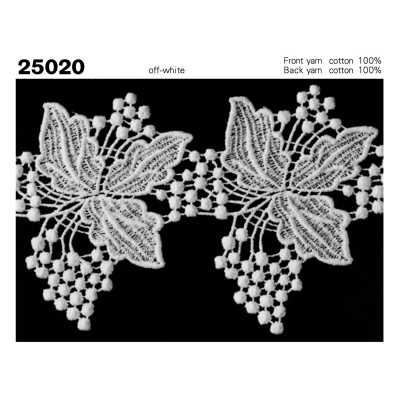
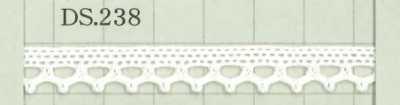
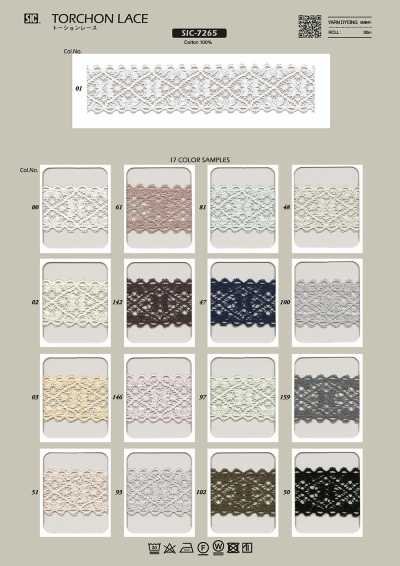
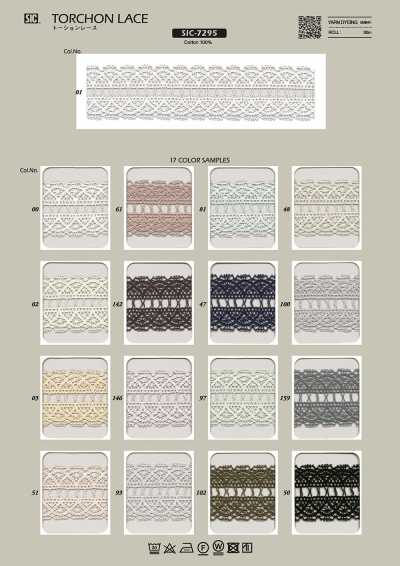
Contents6 sections
Definition and Overview
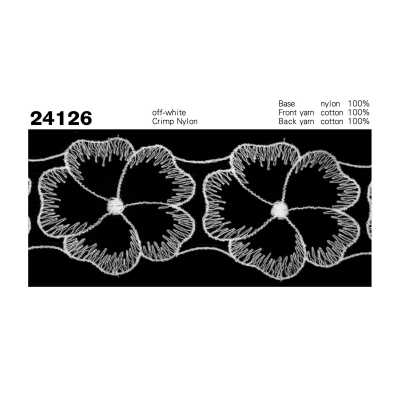
Schiffli embroidery is a technique in which continuous patterns are embroidered onto a wide base fabric using a Schiffli embroidery machine, or the embroidered fabric produced by that process. It can express floral and geometric patterns, and it uses not only the embroidered parts but also the sheerness of the base fabric as part of the design.
In Japan, it may also be called Schiffli lace or Swiss embroidery. However, the scope of the term varies depending on the trading partner and the fabric specifications, and it may refer to both embroidered-only fabrics and fabrics with openwork patterns.
How It Is Made and Materials
The base fabric is set on a multi-needle embroidery machine, and the pattern is formed with embroidery thread. In specifications with openwork sections, the edges may be reinforced by embroidery before the interior is cut out; this is called cutwork.
Cotton, polyester, nylon, and similar materials are used for the base fabric, while rayon and polyester are used for the embroidery thread. Depending on the structure of the base fabric, the amount of yarn, and the embroidery density, the transparency, body, weight, and three-dimensional appearance of the pattern can change significantly.
Appearance Characteristics
Its defining feature is the combination of the clear outline created by the embroidery thread and the lightness of the ground structure. Items with openwork patterns reveal the skin or underlayer, making the shading of the pattern stand out. When the embroidery density is high, the fabric gives a more ornate and substantial impression.
Unlike lace that forms patterns only with yarn, such as Leavers lace, Schiffli embroidery is basically made by embroidering on a base fabric. Also, while raschel lace is made on a knitting machine to create lace fabric, Schiffli embroidery adds design through embroidery processing.
Main Applications
It is used for bodices, sleeves, hems, and similar parts of blouses, dresses, skirts, and gowns. In addition to using it in selected areas to take advantage of its sheerness and pattern, it can also be layered with lining or a separate fabric to make the embroidered pattern stand out.
Thin, sheer product numbers are suited to spring and summer garments and layered designs. On the other hand, items with a large embroidery amount and a stable base fabric are also used for formal wear and costumes that emphasize decoration.
Selection and Handling Notes
When selecting, check the blend ratio of the base fabric and embroidery thread, the weight of the fabric including the embroidered sections, the sheerness, the direction of the pattern, and the usable width. For stretchable base fabrics, also check for pulling or distortion caused by differences in stretch between the embroidery and the ground fabric, and inspect the material before cutting after unrolling it.
When cutting, confirm the placement of large patterns and left-right symmetry, and pay attention to areas where openwork sections or embroidery edges fall on seam allowances. During sewing, choose a fine needle and thread suitable for the fabric, and if necessary use thin paper or a water-soluble backing to reduce feed-related stretching and puckering.
At embroidery edges and around cutwork, strong friction or catching may cause the thread to break or fray. Always wash according to the product care label, and choose a method suited to the fabric specifications, such as using a laundry net, gentle machine action or hand washing, and drying in the shade after reshaping.
- For specifications where the pattern edges are cut clean, consider anti-fray measures and seam allowance finishing methods in advance.
- The dyeability of the embroidery thread and base fabric may differ, so check wash fastness for dark-colored items and color combinations.
- For ironing, use a pressing cloth from the reverse side and start at a low temperature so as not to flatten the three-dimensional effect of the embroidery.
Frequently Asked Questions
What is the difference between Schiffli embroidery and chemical lace?
Schiffli embroidery is basically made by embroidering on a base fabric such as cloth. Chemical lace is made by embroidering on a temporary base fabric such as a water-soluble one, then dissolving the base fabric to leave only the embroidered pattern. Therefore, the major difference is that chemical lace does not retain the ground structure of the base fabric.
Does Schiffli embroidery stretch easily?
How easily it stretches depends on the type and structure of the base fabric. It stretches on knit or stretch base fabrics, but the embroidered sections stretch less than the ground areas, and pulling may cause puckering or distortion. The stretch and recovery in each direction should be checked with the actual material before design work begins.
Can Schiffli embroidery be washed at home?
Whether home washing is possible depends on the base fabric, embroidery thread, dyeing, post-processing, and product specifications. Because embroidery and cutwork are easily affected by friction and snagging, washing tests should be performed even when home washing is intended, and the care label for each product must be followed.
- Search products for "Schiffli embroidery"
- Products with material "Cotton"
- Products with material "Polyester"
- Products with material "Nylon"
- Products for style "For Shirts/blouses"
- Products for style "For Skirts And Dresses"
- Products for style "For Formal Wear"
- Products for style "For Costumes/dresses"
- Browse Lace products