Sleeve Head
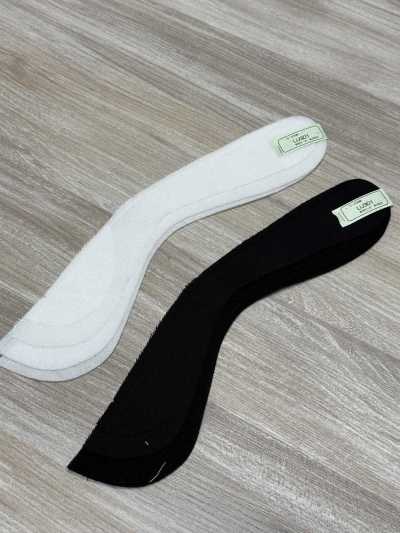
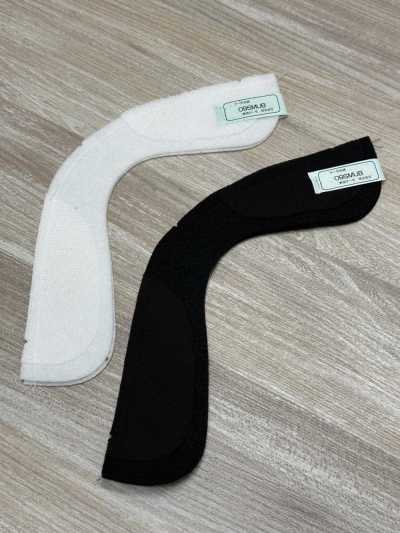
A sleeve head is an auxiliary material used at the upper part of the sleeve attachment line in jackets and similar garments to reduce the visibility of the sleeve head seam while shaping roundness and three-dimensional form.

Contents6 sections
Definition and Overview
A sleeve head is a narrow auxiliary material inserted into the upper part of the armhole on a set-in sleeve, especially near the shoulder point. It is placed between the outer fabric and the sleeve to soften the appearance of the sleeve-setting seam step and gathering, creating a smooth, rounded sleeve shape.
In pattern terminology, “sleeve head” refers to the curved upper part of the sleeve pattern itself. As a material, however, sleeve head often refers to the sleeve head interfacing or sleeve head pad used in that area, so it should be distinguished clearly in specifications and when placing orders.
Placement and Role
It is mainly used in the sleeve-setting area of tailored jackets, coats, uniforms, and similar garments. It complements the rounded shape of the sleeve head, which is hard to achieve with shoulder pads alone, and helps prevent the sleeve-setting line from showing strongly on the outside or seam allowance marks from becoming visible.
Sleeve heads may be used together with shoulder pads. Shoulder pads support the shoulder slope and shoulder point shape, while sleeve heads support the sleeve-setting area from the inside and help the line from shoulder to sleeve look natural.
Materials and Types
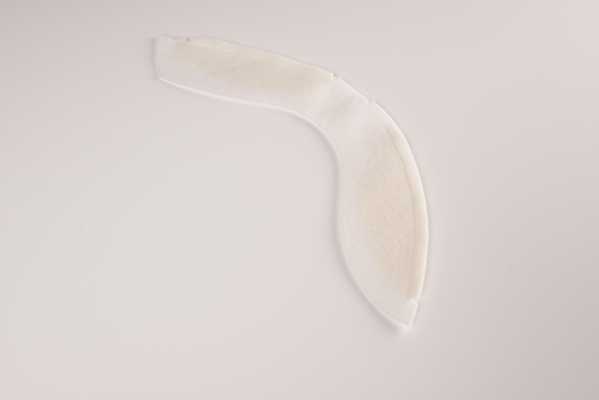
Materials include polyester batting, nonwoven fabric, and brushed sheets. Thin, soft materials create a subtle rounded shape more easily, while bulkier, more resilient materials are suitable when creating a more structured sleeve silhouette.
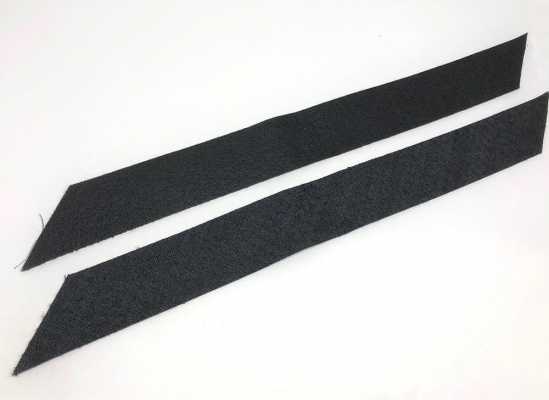
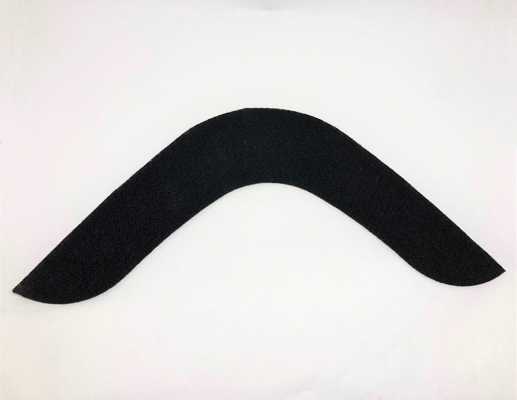
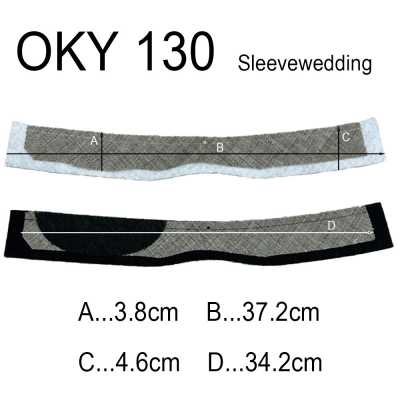
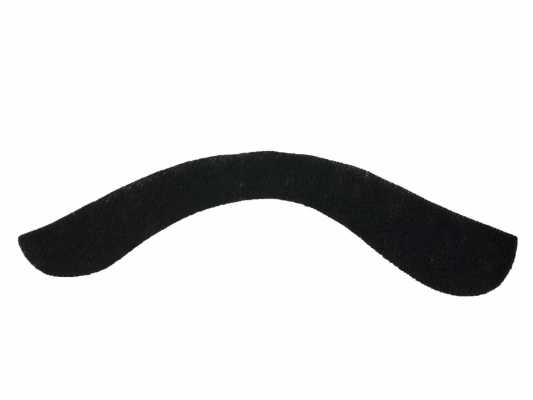
The shape is generally a band-like form that is easy to use along the sleeve head. Since the finished look changes depending on width, thickness, density, and the thinness of the edges, selection should be based on the thickness of the outer fabric and the design.
- For thin outer fabrics, choose a thin type that blends well and is less likely to show seam steps.
- For heavy fabrics or products where tailoring appearance is important, consider a type with moderate fullness and recovery.
- For stretch outer fabrics, a specification is needed that does not interfere with stretch and is less likely to cause excessive puckering.
Main Applications
Sleeve heads are used in women’s and men’s jackets, coats, formal wear, and similar garments where a three-dimensional sleeve shape is desired. Even in lightweight garments without shoulder pads, they may be used simply to shape the sleeve-setting area.
In products such as shirts and cut-and-sew items, where a soft, natural sleeve drape is more important, sleeve heads may not be used. Whether to adopt them is determined by considering the sleeve-head design, amount of gathering, firmness of the outer fabric, and the desired silhouette together.
Selection and Sewing Notes
When selecting, check the thickness, firmness, drape, sleeve-head height, and whether shoulder pads are used. If the material is too thick, the sleeve-setting area may bulge unnaturally; if too thin, it may not sufficiently suppress seam impressions or sleeve-head collapse.
During sewing, align the center of the sleeve head with the shoulder seam and sleeve-head notches, and baste so there is no left-right difference. If the gathering is not handled evenly and the material is not blended in well, it can lead to puckering, localized bulging, or impressions showing on the outside.
Before mass production, confirm the result with a sample combining the actual outer fabric, interfacing, lining, and shoulder pads. It is important to check not only after pressing, but also the sleeve’s mobility when worn, collapse after storage, and appearance changes expected after washing or dry cleaning.
Frequently Asked Questions
What is the difference between a sleeve head and a shoulder pad?
A shoulder pad is an auxiliary material that shapes the overall thickness, slope, and shoulder point form of the shoulder. A sleeve head is inserted mainly into the inside of the sleeve-setting area to smooth the rounded shape while reducing the visibility of the sleeve-setting seam. When both are used together, confirm the overall thickness and the transition from shoulder to sleeve with a sample.
Are sleeve heads necessary for all jackets?
They are not always required. They may not be used for soft, lightweight jackets or designs intended to have a natural drape. On the other hand, they are effective when you want to shape the sleeve-setting line or add moderate dimensionality to the sleeve head.
What should be done if the sleeve-head seam shows on the outside?
Check whether the thickness and firmness of the sleeve-head material suit the outer fabric, and whether the gathering is uneven. Compare samples to determine whether to switch to a thinner material with easier edge blending, adjust the attachment position, or modify pressing conditions.