Armhole
An armhole is the curved opening in the body section where a sleeve is attached, running from the shoulder point down to the underarm. Its shape and dimensions affect ease of arm movement, how the sleeve fits, and the overall silhouette of the garment.
Contents6 sections
Definition and Part
The armhole is the opening for attaching sleeves on the side of the front and back body panels, and refers to the curve from around the shoulder tip to the underarm. In garments without sleeves, it is treated as the opening through which the arms pass. Armhole is the English-derived term for sleeving opening.
In patterns and specification sheets, it is written as armhole line, armhole measurements, or armhole. The armhole shape differs between the front and back, and in many cases the front armhole is cut deeper to allow for forward arm movement.
Role and Main Applications
The armhole connects the sleeve and body panel, and is an important part that affects the range of arm movement and the garment's appearance. A larger, deeper armhole generally makes arm movement easier, but when the arms are lowered, the body panel may ride up more easily or the underarm area may appear open.
It is used in shirts, blouses, jackets, coats, cut-and-sew items, dresses, and other garments with sleeves. In sleeveless styles, the armhole edge is finished with facing, bias tape, piping, and similar methods to improve comfort against the skin and stabilize the edge.
Design by Shape and Material
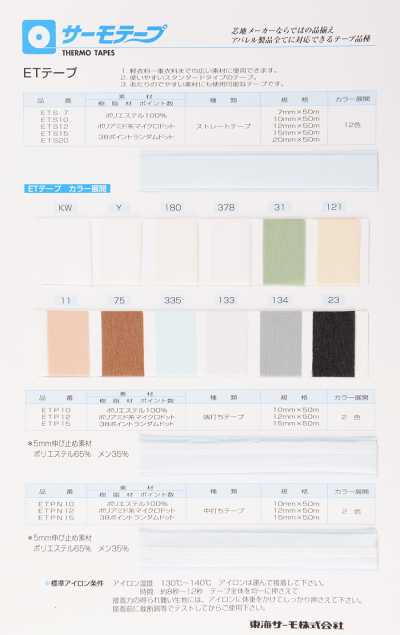
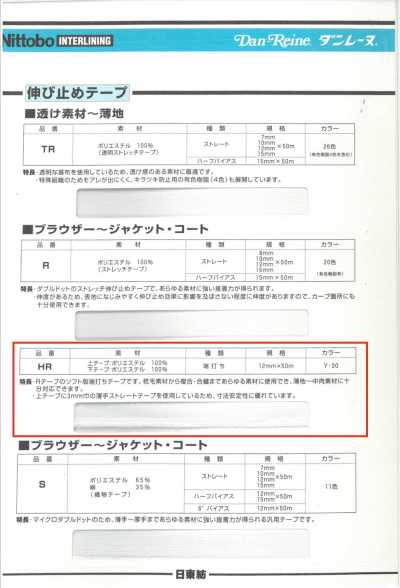
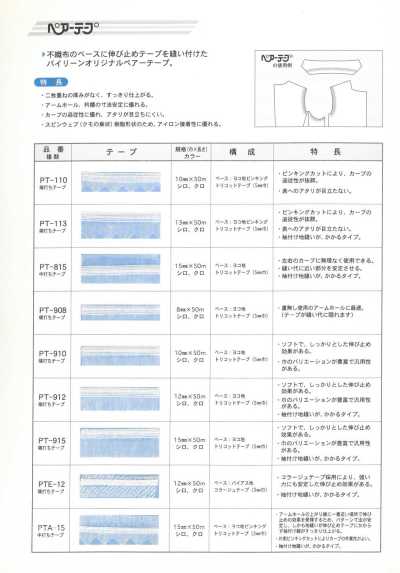
The armhole itself is the name of a part, not a term that indicates a specific material or supply type. However, in woven fabrics, tape to prevent stretching or fusible interlining may be used to suppress stretching or distortion in curved areas.
In knits and stretch materials, the armhole dimensions, seam allowance, and sewing method are set according to the fabric's stretch properties. There are specifications with rib knit, with self-fabric binding, and with binder finishing, and these are selected according to the product's applications and design.
- In a set-in sleeve, the sleeve cap and the body armhole are sewn together.
- In a raglan sleeve, the seam line that runs from the neckline to the underarm becomes the sleeve attachment section.
- In sleeveless styles, the armhole edge is finished with facing or tape.
Sewing and Handling Notes
The armhole has a strong curve, and in woven fabrics the bias portion is easily stretched, so it is important not to pull it carelessly from cutting through sewing. If necessary, apply stretch prevention and match the left and right shapes and dimensions.
In set-in sleeves, ease may be added on the sleeve cap side to help it fit the armhole. Uneven ease or sewing shift can lead to puckering, pulling, or sleeve twisting, so check the notch positions and sewing conditions.
Dimensional changes caused by washing or steam also affect how the armhole sets. For highly stretchy materials, heavy fabrics, or slippery materials, it is advisable to check the sewing sample and the condition after washing before mass production.
Differences from Similar Terms
The armhole is the sleeve attachment opening on the body panel side, while the sleeve cap is the upper, rounded part of the sleeve piece that rests on the shoulder. In set-in sleeves, the armhole and sleeve cap are matched and sewn together, but the parts they refer to are different.
The neckline is the opening for the head, and the cuff opening is the opening at the sleeve end. Also, the depth and ease of the armhole are not determined by dimensions alone; they are designed together with shoulder width, sleeve cap height, body ease, and material stretch.
Frequently Asked Questions
Does a larger armhole always make it easier to move the arms?
Generally, a deeper armhole increases space around the arms, but when the arms are raised, the body panel may also ride up more easily. Mobility is judged not only by the armhole, but also by sleeve cap height, shoulder width, body ease, and material stretch.
What kinds of finishing are used for sleeveless armholes?
Typical finishes include facing finishing, bias tape finishing, self-fabric binder finishing, and piping finishing. When the fabric is thin and the curve is tight, it is important to choose a specification that is less visible on the outside and follows the curve well, while suppressing stretching during sewing.
Are armhole and armhole the same meaning?
In many cases, they refer to the same part. Armhole is used as a Japanese tailoring term, while armhole is an expression derived from English. In specifications and on the production floor, it may also be written as an abbreviation of armhole, so check the instructions carefully.