Steep Twill And Shallow Twill
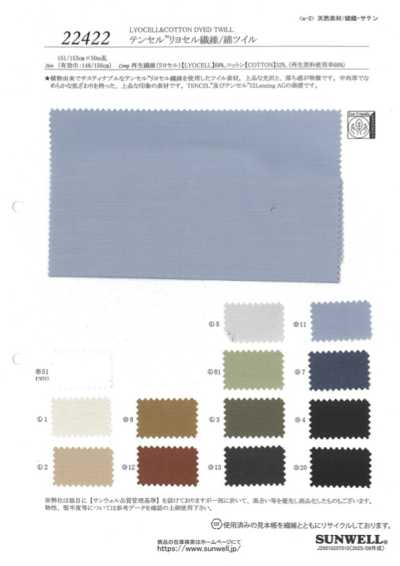
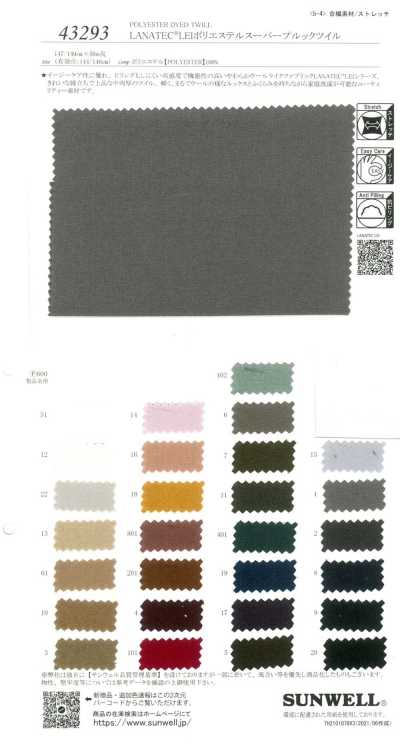
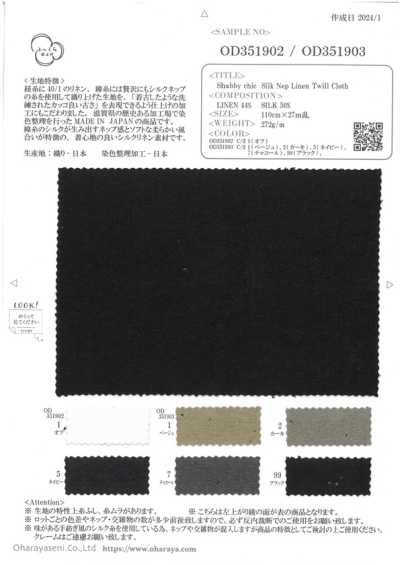
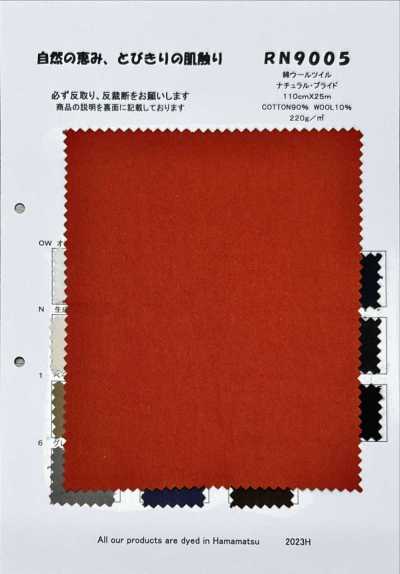
Steep twill and shallow twill are terms used to describe the angle of the diagonal twill lines that appear in twill weave, with a steep angle closer to the warp direction called steep twill and a gentler angle closer to the weft direction called shallow twill.


Contents6 sections
Definition and Overview
Steep twill and shallow twill are classifications that focus on the angle of the diagonal twill lines visible on the surface among twill weaves formed by warp and weft crossing in a set pattern. A twill line that appears to stand upright in the warp direction is called steep twill, while one that appears to lie in the weft direction is called shallow twill.
The slope of the twill line changes not only with how the yarns move in the weave diagram, but also with the relationship between warp and weft density. For this reason, steep twill and shallow twill are terms that indicate how the weave appears, not material names or specific fabric names.
Appearance and Handfeel
Steep twill tends to give a sharp, crisp impression because the diagonal lines appear closer to vertical. Shallow twill is characterized by diagonal lines that appear closer to horizontal, making the twill lines look more relaxed. In both cases, rib-like shadows appear depending on the way light hits the surface.
However, thickness, firmness, drape, durability, and water absorption are not determined by whether a twill is steep or shallow alone. The fiber type, yarn thickness and twist, density, and finishing process must all be checked together.
Main Applications
The concept of steep twill and shallow twill is used when planning twill fabrics and designing the surface texture and appearance of diagonal patterns. It is considered for a wide range of apparel using twill, such as jackets, pants, skirts, coats, and uniforms.
Seasonality cannot be determined from the weave name alone. Thin fabrics made with fine yarn may be used for lightweight spring and summer products, while fabrics made with thicker yarn or higher density may be used for autumn and winter products or items requiring durability.
Selection and Handling Notes
When selecting a fabric, spread it out and check the angle, direction, and how the twill lines appear on the front and back. Because the impression of the diagonal lines changes depending on the cutting direction, make it clear in the specification sheet whether the twill direction should be aligned or intentionally changed for the left and right body panels, pockets, and similar parts.
Twill fabrics are prone to stretching on the bias, and the grain may shift or stitching distortion may occur during sewing. Unroll the fabric before cutting and straighten the grain as needed. Also test the suitability of interfacing, seam puckering, and shrinkage after washing in advance.
Shrinkage, fading, and surface gloss caused by washing are affected by the material, dyeing process, and finishing conditions rather than the weave angle. Before productization, it is important to check the care label and shrinkage rate for each fabric, and to carry out washing tests before mass production.
Differences from Similar Terms
Twill is the general term for a basic weave structure that creates continuous diagonal twill lines on the surface. Steep twill and shallow twill are names for the angle of those twill lines, and do not mean the same thing as twill itself. Twill is generally used as the name for fabrics with a twill weave.
Right-hand twill and left-hand twill refer to the difference in direction, whether the twill line rises to the right or to the left. By contrast, steep twill and shallow twill express the difference in angle, that is, how upright or how laid-back the twill line is.
Frequently Asked Questions
Which is stronger, steep twill or shallow twill?
Strength cannot be compared by weave angle alone. Tensile strength and abrasion resistance vary depending on the yarn type and thickness, weave density, how the weave floats, and finishing processes. The performance required for the application should be checked through fabric specifications and test results.
Do steep twill and shallow twill mean the same thing as right-hand twill and left-hand twill?
They do not mean the same thing. Steep twill and shallow twill indicate whether the twill line angle is steep or gentle, while right-hand twill and left-hand twill indicate the direction in which the twill line progresses. For a single fabric, both expressions can be used together, such as steep twill and right-hand twill.