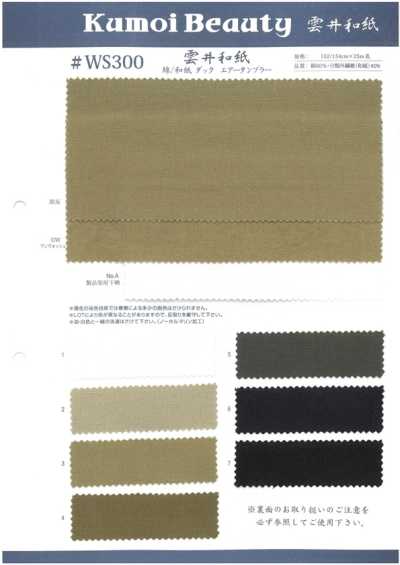
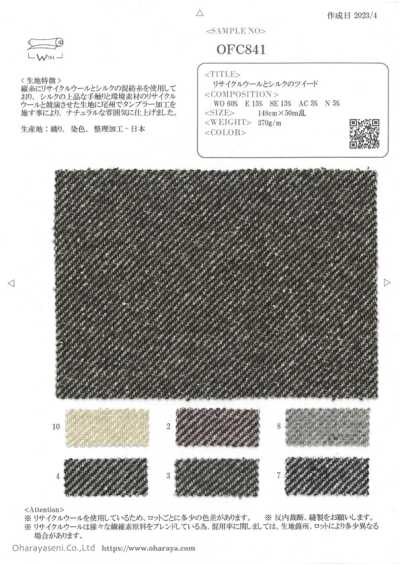
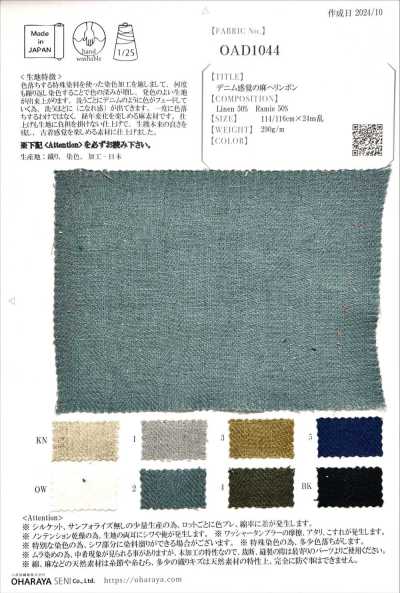
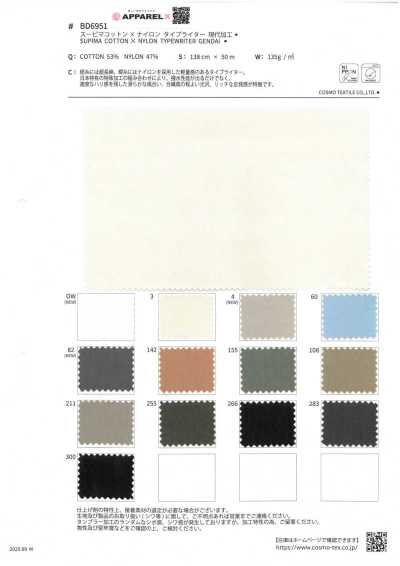
Tumbler Finishing
Tumbler finishing is a finishing process that softens textile by tumbling and loosening it inside a tumbler machine, giving it softness, loft, and a natural, washed look.

Contents6 sections
Definition and Overview
Tumbler finishing is a process that moves textile through rotation, air power, and similar forces to loosen the fibers and structure and change the texture. The finish varies depending on the material, weave or knit structure, and processing conditions, and it is used for a wide range of textiles such as cotton, linen, rayon, and synthetic fibers.
Air tumbler finishing refers mainly to a method that moves textile using airflow. It may be treated as a type of general tumbler finishing, but the names of the equipment and processing conditions vary depending on the finishing facility and textile planning.
Features
After processing, the textile is more likely to have a soft, voluminous feel and a texture that blends well with the skin. Depending on the textile, it can also retain some firmness while softening stiffness.
Visually, it may show a natural, washed look, subtle wrinkles, and soft shading on the surface. When combined with processing such as light brushing, it can also create a powdery touch and a warm appearance.
On the other hand, tumbler finishing itself is not a shrink-proofing treatment. The process may change textile dimensions and surface texture, so shrink resistance, absorbency, and coolness must be checked individually, including the material and any combined processing.
Main Applications
It is used for shirts, blouses, dresses, skirts, and pants that emphasize a natural texture. Making use of softness and volume, it is also suitable for casual wear, natural-style clothing, and loungewear.
For lightweight textiles, it is used to achieve a light feel and an easy drape away from the skin. For medium-weight to heavyweight textiles, it is used to add a fuller volume and a more relaxed appearance. Whether it is suitable for spring and summer or autumn and winter is judged not by tumbler finishing alone, but by combining the material, fabric weight, and whether brushing is used.
Selection and Handling Precautions
When planning, check not only the finish sample but also the feel after washing, dimensional change, and wrinkle appearance. Even with the same name, volume, wrinkle effect, and firmness differ depending on the number of processing passes and conditions, so before mass production it is important to check the test results and actual sample from the target lot.
Before cutting and sewing, let the fabric relax in roll form and check the grain and required yardage. For textiles with surface unevenness or shrinkage caused by processing, pay attention to differences in appearance between left and right parts, misalignment of patterns or weave lines, and puckering after sewing.
Washing methods vary depending on fiber type, dyeing, and combined processing. Strong mechanical action or drying may cause further shrinkage and wrinkling, so for products, care instructions should be set based on the fabric care label and washing tests.
- Check whether there is any difference in texture between mass-production and sample goods.
- Check dimensional stability with a shrinkage test.
- Check seam draw-in and puckering with trial sewing.
Differences from Similar Terms
Washer finish is sometimes used as a general term for processing that creates wrinkles or a washed look. Washer tumbler may be used as a name for a finish that combines such surface effects with tumbler finishing.
Softening treatment is mainly a process that uses softeners and similar agents to make the hand feel softer. In contrast, tumbler finishing is characterized by mechanically moving the textile, which also changes the texture and surface appearance. Shrink-proofing treatment has a different purpose, as it is intended to reduce dimensional change during washing.
Frequently Asked Questions
Does tumbler finishing always cause shrinkage?
Not always, but dimensions may change during processing or washing. The degree of change depends on the fiber, structure, density, processing conditions, and washing method. In product design, confirm shrinkage on the finished textile and reflect it in the yardage and pattern.
Are air tumbler finishing and regular tumbler finishing the same?
Both are treated as processes that move textile to create a soft texture, but air tumbler finishing may refer to a method that uses airflow. Because the finish cannot be judged from the name alone, it is necessary to check the finish sample and material information.
What should be noted when sewing tumbler-finished textile?
Because the volume and wrinkle effect can make the grain hard to see during cutting, check it after letting the fabric relax in roll form. Also, because seam shrinkage and puckering may be noticeable, adjust thread tension, needle, and stitch settings through trial sewing, and evaluate after washing.