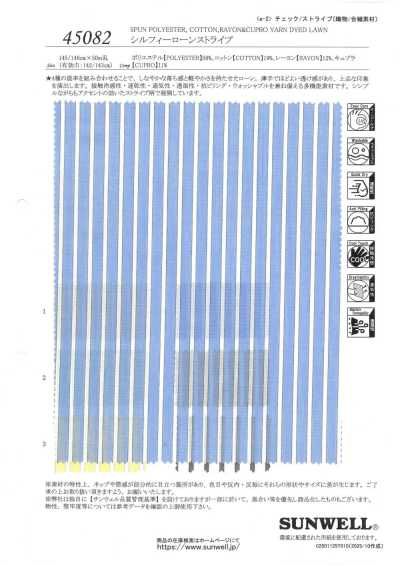
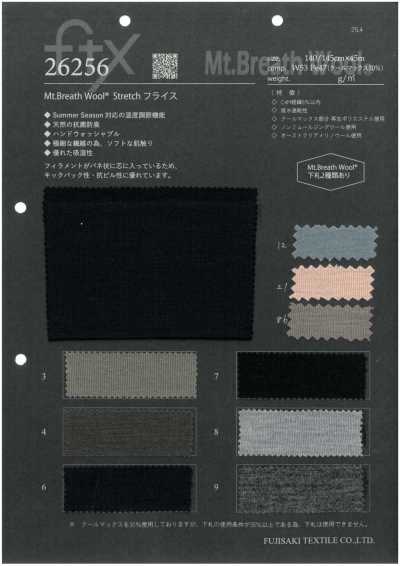
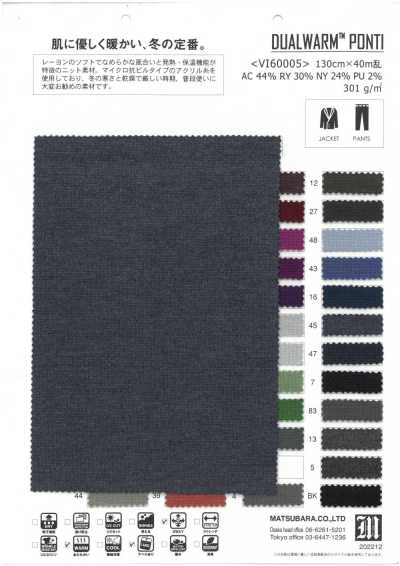
Anti-pilling
Anti-pilling refers to a property or treatment in which the fiber, yarn, knit or weave structure, and finishing are engineered so that pilling is less likely to occur on the textile surface due to friction during wear or washing.
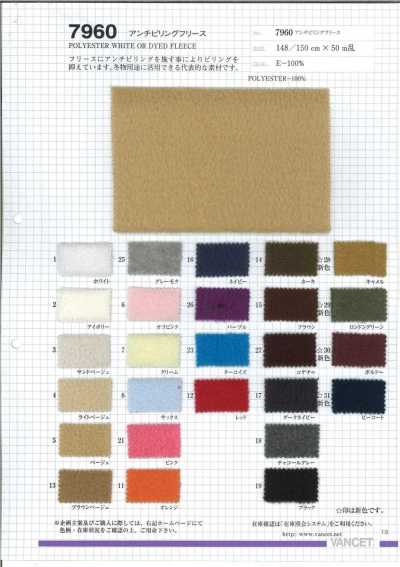
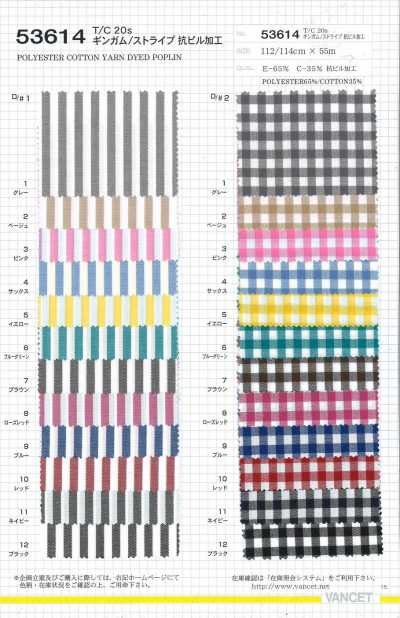
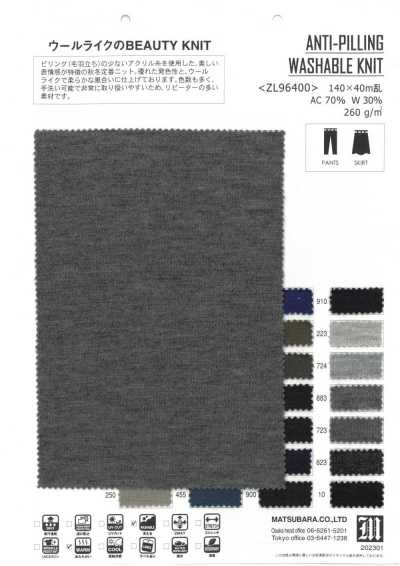
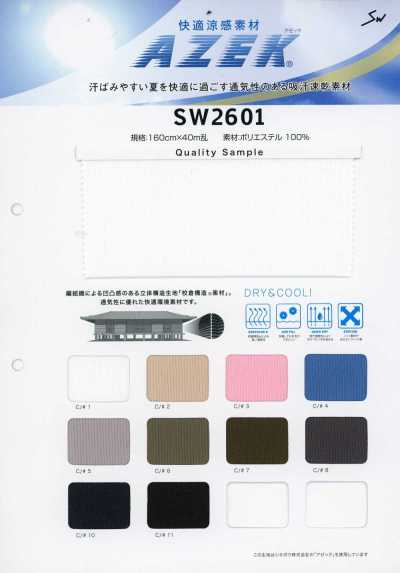
Contents6 sections
Definition and Overview
Anti-pilling refers to a property that suppresses the formation of pills on the textile surface by preventing fuzzed fibers from intertwining. It is not a specific fiber name or construction name; it is imparted through raw material selection, spinning methods, twist, knitting or weaving density, and surface finishing.
Anti-pilling does not mean that pills never form at all. The actual appearance and durability vary depending on the garment area, how often it is worn, friction from bags or chairs, washing conditions, and other factors.
Features and Appearance
Because pills are less noticeable, the surface of knits, cut-and-sew items, and similar products looks relatively neat, making the appearance easier to maintain. It is a function that is especially checked when selecting materials for areas prone to everyday friction, such as the underarms, under sleeves, elbows, and waistline.
The hand feel varies depending on how anti-pilling is achieved. When using yarns or surface finishes that suppress fuzz, the result may be a cleaner look and a dry touch. On the other hand, compatibility with softness, loft, and brushed texture must be confirmed for each textile.
Main Applications
Textiles with anti-pilling properties are used for garments that are frequently washed or rubbed, such as cut-and-sew items, T-shirts, sweatshirts, knits, cardigans, pants, and uniforms. By choosing the material and thickness, they can cover everything from lightweight spring and summer items to autumn and winter items with heat retention.
Some textiles containing synthetic fibers such as recycled polyester, as well as textiles made with spun yarns such as cotton or modal, are also marketed as anti-pilling. However, anti-pilling alone does not indicate water absorption, heat retention, or stretch performance.
Selection and Handling Notes
At the planning stage, confirm the actual surface texture based not only on the material composition but also on the intended wearing situation and the areas subject to heavy friction. Since evaluation methods, grades, and appearance changes after washing differ by textile, check test results and samples after washing tests as needed.
Resistance to shrinkage is a performance separate from anti-pilling. If you want to suppress dimensional change after washing, check separately whether shrink-resistant finishing has been applied and the shrinkage rate. In addition, following the care label, washing inside out and avoiding washing with heavily abrasive garments can reduce stress on the surface.
During cutting and sewing, handle the material carefully and apply intermediate pressing so as not to rub the surface and cause fuzzing. For knits and stretch textiles, it is important to confirm the needle type, thread tension, and feed amount in advance and prevent damage and puckering around the seams.
Differences from Similar Terms
Pilling refers to the pills themselves or the phenomenon of pill formation, while anti-pilling is the property that makes this less likely to occur. Anti-pilling finishing is one way to achieve anti-pilling performance, but anti-pilling properties can also be obtained through yarn and textile design, not only finishing.
Shrink-resistant finishing is a treatment that suppresses dimensional shrinkage caused by washing and similar processes, and its purpose differs from anti-pilling. Finishing that reduces fuzz and yarns with less fuzz are also related to pill prevention, but that alone does not guarantee anti-pilling performance.
Frequently Asked Questions
Does anti-pilling textile mean pills never form at all?
Even anti-pilling textiles do not necessarily remain completely pill-free. Pills may still form in areas where friction is concentrated, such as the underarms, elbows, and areas where a bag rubs. When planning, it is important to check test results under conditions close to the intended wearing and washing conditions, as well as the surface appearance after washing.
Are anti-pilling and shrink-resistant finishing the same?
No, they are not the same. Anti-pilling is a property that suppresses pill formation, while shrink-resistant finishing is a treatment that suppresses dimensional changes in textiles or products caused by washing. For garments that are washed frequently, select them after checking pills, shrinkage rate, color changes, and hand feel separately.
Are there any precautions when sewing anti-pilling textile?
Regardless of whether it has anti-pilling properties, processes that strongly rub the textile surface may lead to fuzzing and changes in appearance. Before sewing, confirm the proper needle and thread tension, and use test stitching to check for needle damage, seam waviness, and pressing marks.