


Underlining
Underlining is a construction method in which another fabric or interfacing is layered onto the reverse side of the outer fabric to reinforce it and reduce sheerness, prevent loss of shape, and add thickness and body.
Contents6 sections
Definition and Overview
Underlining is a construction method in which another fabric or interfacing is layered onto the reverse side of the outer fabric and, as needed, bonded or stitched in place. It supplements the strength, stability, thickness, and reduced sheerness that the outer fabric alone lacks, and helps improve the garment’s appearance and ease of handling during sewing.
Where lining is mainly used to improve ease of dressing, skin feel, and the appearance of the inside, underlining is primarily intended to support the outer fabric. In some cases, the underlining fabric is treated as one with the outer fabric, but its role differs from a fully lined construction.
Areas of Use and Role
In dresses and blouses, it is used for the bodice, collar, placket, sleeves, and other parts made from thin or sheer fabrics. In addition to reducing sheerness in the outer fabric, it helps control the appearance of seam allowances and makes it easier to maintain the shape of areas with gathers and darts.
In jackets and coats, it is used to stabilize the shape of the front bodice, facings, collar, and similar parts. For decorative fabrics, easily stretchable fabrics, and loosely woven fabrics, it also helps prevent seam stretch and distortion.
- Reduce sheerness
- Add crispness and body
- Suppress stretching and distortion
- Reinforce seam allowances and stitched areas
- Adjust the drape and silhouette of the outer fabric
Materials and Types
Underlining can use woven fabric, nonwoven fabric, or knit fabric. The basic approach is to choose a thin, soft material for lightweight outer fabrics and a crisp material for areas where a three-dimensional shape needs to be maintained. Using a material in a similar color to the outer fabric makes it easier to reduce the effect of the reverse side showing through in light-colored or sheer fabrics.
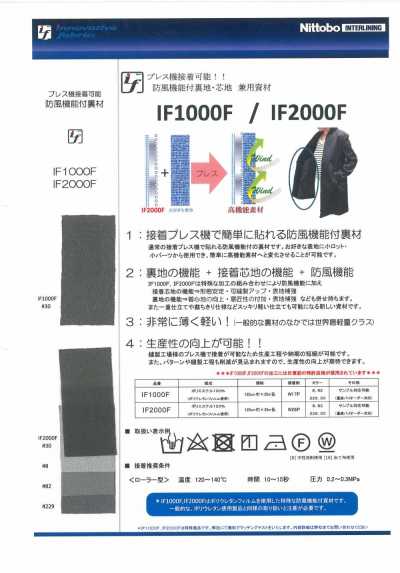
There are two methods: a bonding method that uses interfacing with adhesive, and a sewing method that joins a separate fabric by stitching. Underlining interfacing is a term for interfacing used in underlining. However, in some workplaces, underlining itself may be referred to in a sense similar to interfacing application.
Selection and Bonding Precautions
When selecting materials, check the color, thickness, stiffness, stretchability, and suitability for washing or dry cleaning in combination with the outer fabric. If the underlining is too heavy or too stiff, it may damage the outer fabric’s natural drape, and ridges or fading may appear around the seams.
When using fusible interfacing, test the bonding conditions for each outer-fabric and interfacing combination. If the temperature, time, and pressure are not correct, insufficient bonding, adhesive strike-through, or surface changes can occur, so confirmation before full production is necessary.
When underlining fabric is layered by sewing, align the grain and stretch direction with the outer fabric. Differences in shrinkage or feed between the two fabrics can cause puckering and twisting, so straighten the grain before cutting and verify the sewing conditions.
Differences from Similar Terms
Fusible interfacing is interfacing that is bonded to the outer fabric with adhesive resin to supplement shape and strength in a specific area. Underlining refers to the construction method and includes both the use of fusible interfacing and the use of a separate fabric stitched in place.
Haircloth interlining and non fusible interlining are interfacing materials mainly used to create a three-dimensional shape in tailored garments. Their purpose is often more structural than underlining, and some constructions do not fix them directly to the outer fabric, instead allowing them to settle within the garment.
Lining is the fabric that covers the inside of a garment and helps with slip, comfort, and covering seam allowances. Underlining is layered onto the reverse side of the outer fabric to reinforce it, so even when lining is used, it may be combined with underlining where needed.
Frequently Asked Questions
Are underlining and lining the same?
No. Lining is the fabric that covers the inside of a garment and improves ease of dressing, skin feel, and the appearance of the inside. Underlining, by contrast, is a construction method that layers material onto the reverse side of the outer fabric to reduce sheerness, reinforce it, and stabilize its shape. Some products use both.
For underlining, should fusible interfacing or stitched-in fabric be used?
It depends on the desired hand and the area. Fusible interfacing is used when you want to stabilize shape while simplifying the process. When you want to preserve the softness and natural movement of the outer fabric, or when the outer fabric is sensitive to heat, underlining with a separate fabric stitched in place may be more suitable.
What should be considered when underlining thin fabrics?
If you choose a material that is thicker and stiffer than the outer fabric, drape may be lost, or the seam allowances and outline of the interfacing may show on the surface. It is important to also check color show-through, surface changes during bonding, and shrinkage differences after washing, and to make a sewing sample with the outer fabric and underlining material layered together.





