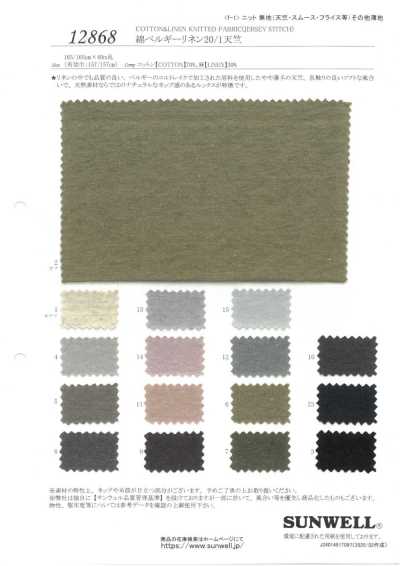
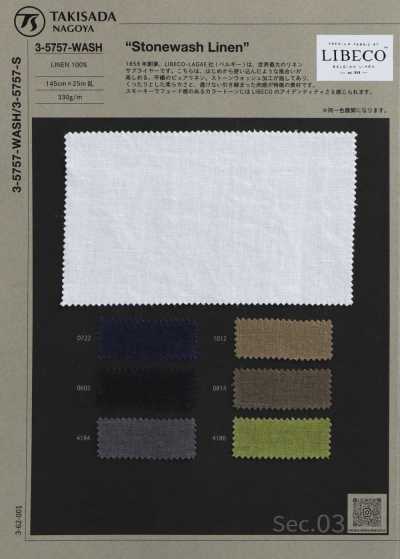
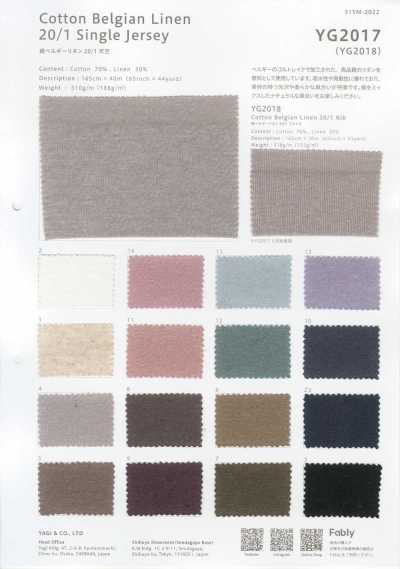
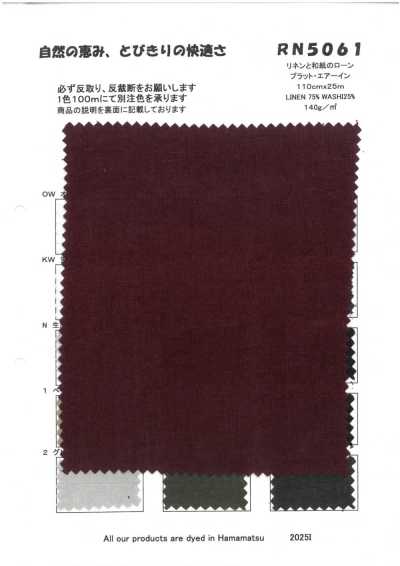
Belgian Linen
Belgian linen is a general term for linen related to flax cultivation, spinning, weaving, or processing in Belgium, and it is a material for which the origin of the raw material and each process must be checked for each fabric.

Contents6 sections
Definition and how to think about place of origin
Belgian linen is a term used for linen associated with Belgium and the surrounding Flemish region. Linen is a fiber made from flax, and the term itself does not indicate weave structure, yarn thickness, or blend ratio.
In practice, the scope varies by product, such as when the flax is grown in Belgium or when spinning, weaving, and finishing are carried out in Belgium. It is important to confirm what processes are covered by “Belgian origin” in specifications and certificates.
History and fabric-making characteristics
The Flemish region, including Belgium, has long been involved in flax cultivation and linen production. There is a buildup of know-how related to linen fabric making, from raw material sourcing to spinning, weaving, and finishing processes such as bleaching and dyeing.
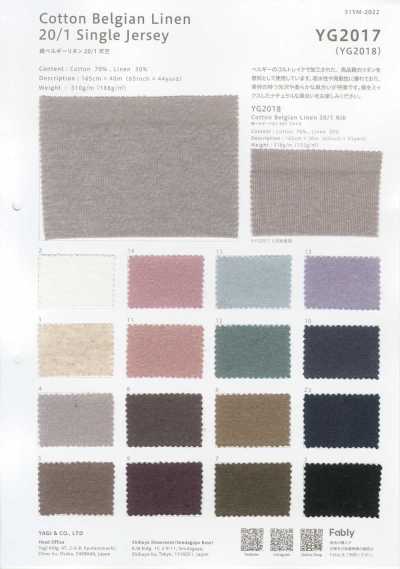
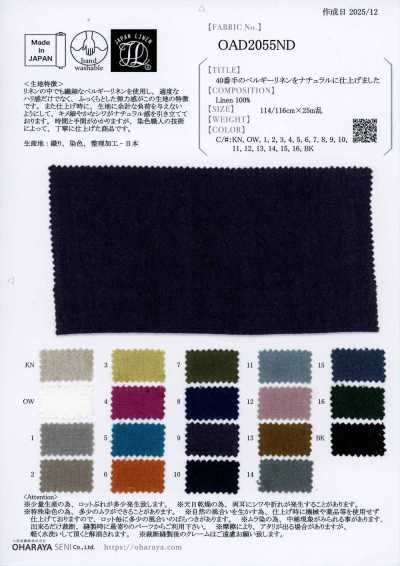
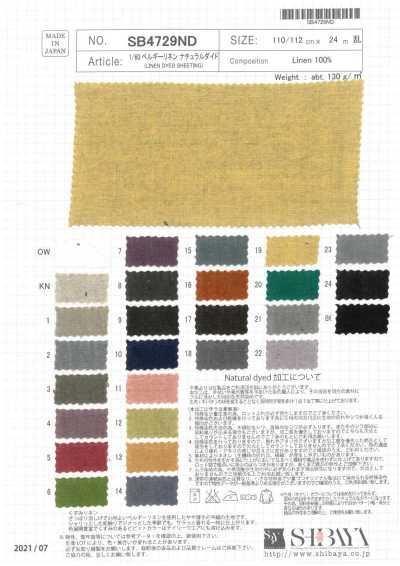
Available fabrics range from fine-count, delicate materials to medium-weight cloths, with many variations centered on plain weave. Appropriate firmness, a crisp feel, and fullness or fine wrinkling created by washing vary depending on the yarn, density, and processing conditions.
Typical fabrics and applications
Lightweight plain weaves are used for shirts and blouses, fabrics with a balance of drape and sheerness are used for dresses and skirts, and fabrics with higher density and fabric weight are used for jackets and pants. In some cases, they are combined with different materials such as washi to bring out a cool feel and texture.
Even with the same Belgian linen label, sewing performance and the finished look differ greatly depending on yarn count, weave density, post-processing, and blend ratio. When deciding on applications, check not only the hand feel but also sheerness, thickness, drape, and dimensional change after washing.
- Shirts and blouses
- Dresses and skirts
- Lightweight jackets and pants
- Bags, accessories, and interior applications
Points to check when purchasing
When using origin claims in product labels or planning documents, confirm with the supplier which stage is Belgian: flax cultivation, spinning, weaving, or dyeing and finishing. It is necessary not to judge all processes or the origin of the raw material from the name “Belgian linen” alone.
Linen can show natural variations in slubs, color tone, and texture. Before mass production, check color, thickness, width, and shrinkage on a sample roll, and confirm lot-to-lot differences for additional production, whether continuous supply is possible, the minimum order quantity, and lead time in advance.
- The process indicated by the origin label and the supporting documents
- Blend ratio, yarn count, weave, fabric weight, and fabric width
- Shrinkage after washing and processing, skewing, and colorfastness
- Color and texture differences by roll and lot conditions for additional orders
- Whether it is in stock or made to order, minimum order quantity, and lead time
Differences from similar terms
Linen is the general name for the fiber made from flax, while Belgian linen is a term that adds the production region or background. Even Belgian linen may include fabrics blended with fibers other than linen, so the blend ratio should be checked individually on the care tag.
Irish linen is also a linen term with a regional name, but it comes from a different production region than Belgian linen. European Flax, on the other hand, is a certification and label related to flax raw material origin, and does not mean that the fabric was woven in Belgium.
Frequently asked questions
Does Belgian linen mean the flax must be grown in Belgium?
Does Belgian linen shrink when washed?
Linen fabric can change in dimensions depending on washing, moisture, and finishing conditions. Its behavior also differs depending on whether shrink-resistant finishing or wash treatment was applied to the raw fabric, so it is important to test under actual washing conditions before mass production and confirm the shrinkage rate and how to reflect it in the pattern.
Are Belgian linen and European Flax the same?
No, they are not the same. Belgian linen is used as a general term indicating a production connection with Belgium. European Flax is a certification and label related to flax raw material origin. Check separately the scope that can be labeled and the basis for it.