Bonded Sewing
Bonded sewing is a sewing and assembly technique that secures fabrics together with adhesive or adhesive tape, either in place of stitching with sewing thread or in combination with sewing.
Contents6 sections
Definition and Overview
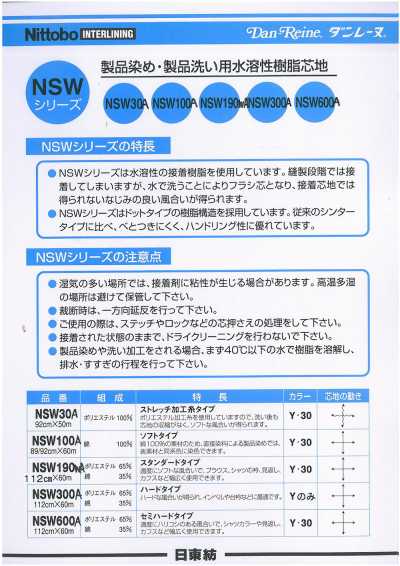
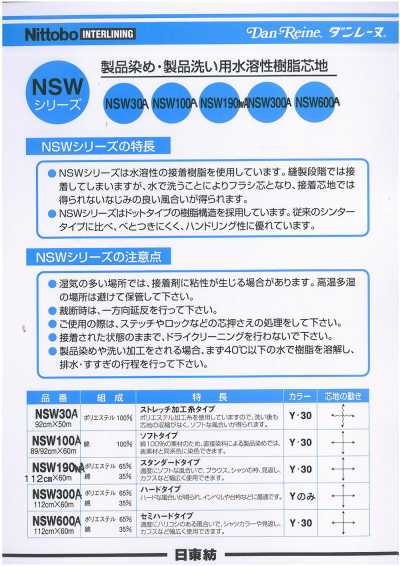
Bonded sewing is a method of joining the edges or overlapping areas of cut fabric using films, tapes, adhesives, and similar materials that bond with heat or pressure. Because it reduces the number of seams, it is often easier to achieve a flat, lightweight finish.
It includes not only specifications that do not use sewing thread at all, but also specifications in which areas requiring strength are sewn and edge fixing or waterproofing is supplemented by bonding. The finished result and durability vary depending on the bonding material, overlap width, and heat-sealing conditions.
Process in Product Making
In general, the bonded areas and appearance are determined in the specification design stage, and bonding materials suitable for the fabric used are selected. After that, cutting, temporary positioning, heat sealing or adhesive application, and curing as needed are carried out, followed by confirmation of the appearance and bond condition.
Before mass production, it is important to make prototypes using the actual fabric, color, and overlapping method. This is because the appropriate conditions change even with the same bonding material depending on the fabric surface treatment, stretch, thickness, and tendency to deform under heat.
- Determine the combination of fabric and auxiliary materials to be bonded.
- Clearly specify the overlap width, edge shape, and sealing direction in the specification sheet.
- Confirm processing conditions such as temperature, pressure, and time through prototypes.
- During mass production, also check appearance, peeling, and dimensional changes.
How to Proceed and Practical Points
Control the bonding surfaces so that oil, dust, mold release agents, and similar substances do not adhere to them. Fraying at the cut edge, differences in thickness, and areas with strong curves are more likely to cause poor bonding or lifting, so shapes should be adjusted to a practical form at the pattern and specification stage.
Depending on the fabric, heat may cause gloss, shrinkage, discoloration, or changes in texture. Be sure to check both the front and back sides, including fading on the surface and adhesive bleed-through, and also consider using press jigs or backing materials.
Ordering and Quality Considerations
When placing orders with sewing factories or processors, share not only diagrams of the bonded areas but also the fabric to be used, auxiliary materials, overlap width, acceptable appearance, and washing or wearing conditions. It is important to standardize bonding conditions with approved samples and specification sheets rather than relying only on verbal instructions.
For quality checks, confirm not only whether there is any peeling, but also the bonding condition after washing and after bending, edge lifting, waviness, whitening, stickiness, and changes in appearance. Depending on the product application, conduct evaluations assuming repeated wear and washing.
Differences from Similar Terms
Laminating and bonding is a process for creating a composite material by bonding fabric and film, or fabric to fabric, over a wide area. By contrast, bonded sewing refers to the process of assembling a product by joining parts after cutting.
Seam tape is a tape that is mainly applied over seams to cover needle holes and supplement waterproofing. In bonded sewing, parts are joined directly, but the two can also be used together.
Frequently Asked Questions
Are bonded sewing and seam tape processing the same?
No, they are not the same. Bonded sewing is a method of assembling fabric parts by joining them with bonding materials. Seam tape processing is a process often carried out by applying tape over sewn seams for the purpose of reducing water penetration through needle holes.
What kinds of products use bonded sewing?
It is used in apparel where seam bulk needs to be reduced, products that emphasize lightness and a clean appearance, and products that require consideration of waterproofing. However, suitability varies depending on the fabric, bonding material, stretch and load during wear, and washing conditions, so prototype evaluation is necessary.
What quality defects are common in bonded sewing?
Typical defects include lifting or peeling at the edges, adhesive bleed-through, gloss or discoloration caused by heat sealing, and waviness at the bonded area. In addition to the compatibility between the material and the bonding material, prevention is achieved by controlling temperature, pressure, time, overlap width, and the cleanliness of the bonding surface.