Lightning Wrinkles
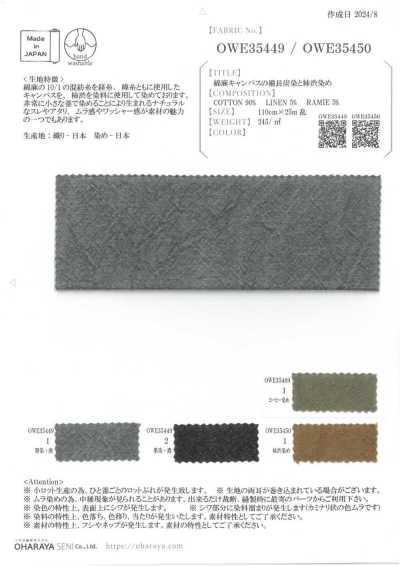
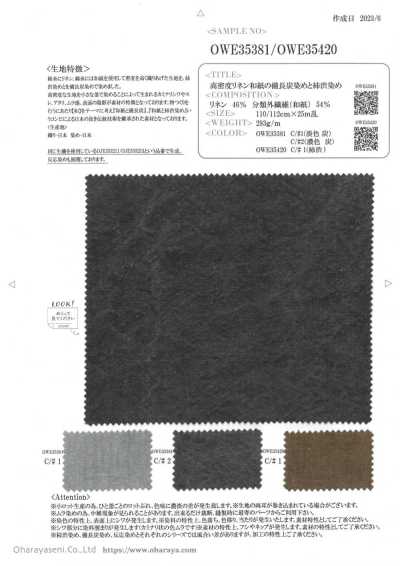
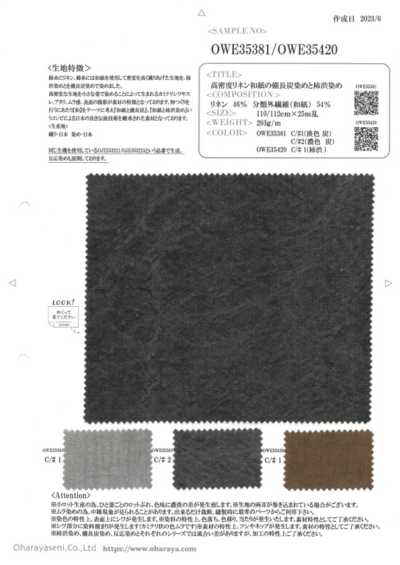
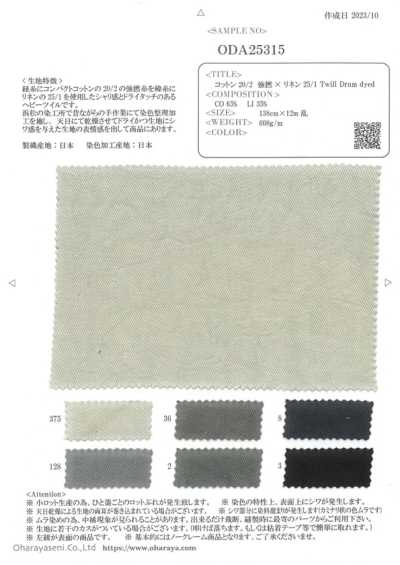
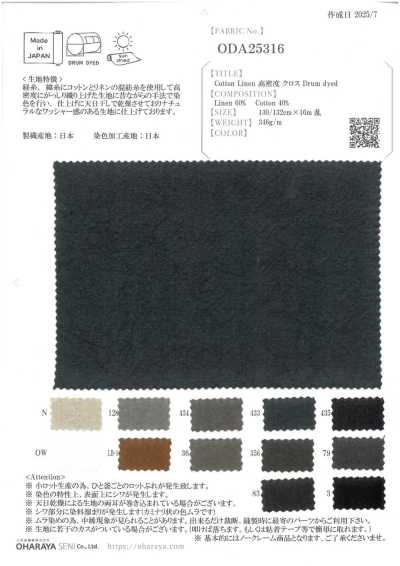
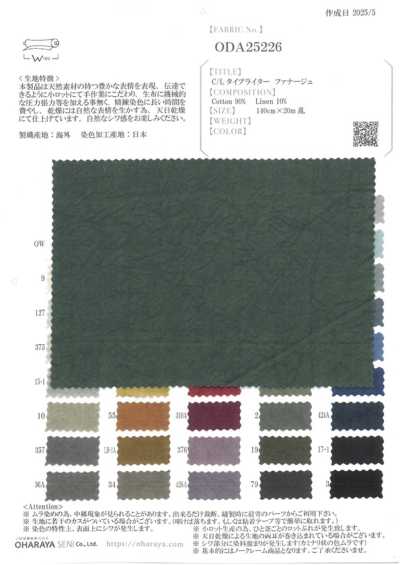
Lightning wrinkles refers to an intentional surface effect or its appearance, in which irregular crack-like, lightning-like wrinkles and light-and-dark shading appear on textile during processing or dyeing.
Contents6 sections
Definition and Overview
Lightning wrinkles are the name for irregular, sharp, line-like wrinkles that occur during the textile processing stage, or the shading that appears along those wrinkles. The name comes from their lightning-like appearance, and they are also sometimes called rope marks.
Dye tends to collect in the wrinkled areas, which may make them look darker than the surrounding area. Depending on the product or textile design, this wrinkled look and uneven coloring may be used as part of the material’s character and does not necessarily mean the textile is defective.
Features and Appearance
The thickness, direction, spacing, and degree of shading of the lines are not uniform, and there are individual differences even within a single roll. Rather than a uniform, orderly wrinkle pattern, the feature is a rough, raised appearance with an element of chance. Depending on the viewing angle and color, the shading may stand out more than the wrinkles themselves.
This is not a term that describes basic performance such as softness, drape, or breathability. Do not judge texture or function from the presence or absence of lightning wrinkles alone; it is important to check the composition, fabric weight, weave structure, and finishing process together.
Main Applications
It is used for garments where a natural uneven look, vintage style, or processed appearance is meant to be shown as part of the design. It is suitable for blouses, shirts, dresses, skirts, light apparel, and similar items when you want to add variation to solid fabrics that tend to look flat.
The season depends on the thickness and composition of the material, but materials with a light, fluid movement may be used in spring and summer planning. On the other hand, lightning wrinkles are not a fabric name or a weave structure name, so they are not a term that limits applications.
How to Choose and Handling Notes
Before adoption, do not judge from a swatch alone; check the wrinkle size, shading, and pattern placement over as wide an area as possible. After cutting, consider in advance the pattern layout and how the finished item will look so that wrinkles or pooling color do not concentrate in noticeable areas.
The surface appearance may change through washing, water soaking, steaming, or pressing. The post-wash appearance, including shrinkage and color loss, differs by material, so please conduct tests before mass production and confirm the care label and finishing conditions.
During sewing, strong ironing pressure or excessive steam may weaken the intended appearance. At areas where localized thickness occurs, such as seam allowances and facings, check for fading and puckering in a trial sample and adjust the pressing conditions.
Differences from Similar Terms
Lightning wrinkles refer to the phenomenon and appearance of wrinkles during processing and the resulting shading. Wrinkle processing is the general term for processing that intentionally adds wrinkles, and lightning wrinkles may be used when describing how it looks.
Dye unevenness refers to uneven coloration in general and does not necessarily involve wrinkles. Fabric defects is a broad concept that includes out-of-spec weaving flaws, stains, tears, and more, but lightning wrinkles that are allowed in the design may not be treated as defects.
Frequently Asked Questions
Are lightning wrinkles defective?
They are not uniformly considered defective. In fabrics where the wrinkled look and the shading in the wrinkled areas are part of the design caused by processing or dyeing, they are treated as a characteristic of the material. However, the acceptable range varies depending on the design and transaction terms, so judgments are made by checking against the sample roll, specifications, and inspection standards.
Does fabric with lightning wrinkles change after washing?
The degree of change varies depending on the composition, dyeing method, finishing process, and washing conditions. Since washing or water soaking may cause shrinkage or changes in surface appearance, it is necessary to conduct a washing test under conditions close to the intended label before mass production and confirm the appearance.
Are there any points to note during cutting and sewing?
If the irregular shading and wrinkle positions differ greatly between the left and right sides of a product or between parts, the appearance will differ. Check the appearance during spreading and cutting, and avoid concentrating noticeable areas. During pressing, confirm any appearance changes caused by heat, steam, and pressure through trial samples.