Cut-to-length Sales
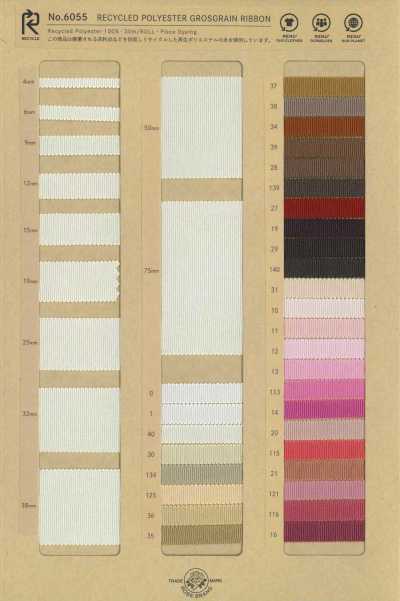
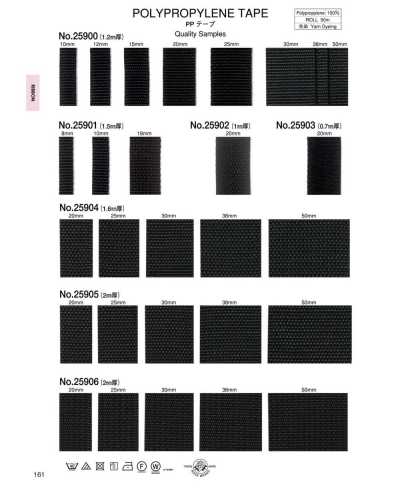
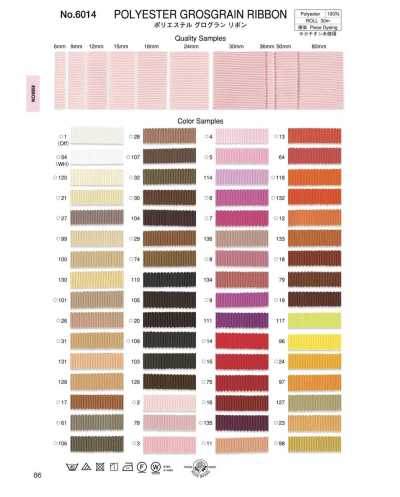
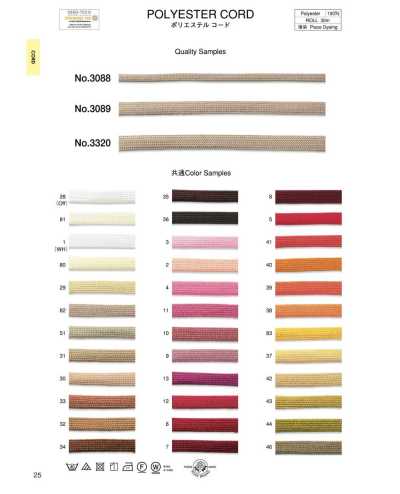
Cut-to-length sales is a sales method in which ribbon, tape, cord, and similar items are sold in the required length, rather than as the full amount in a roll or bolt.
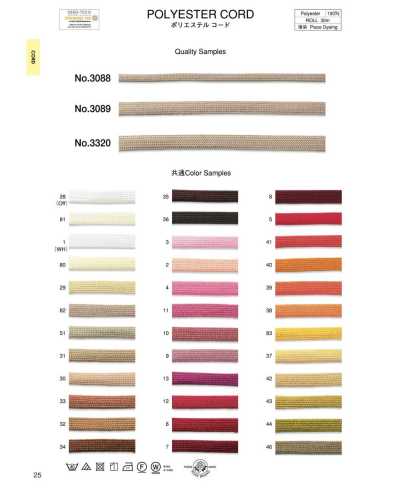
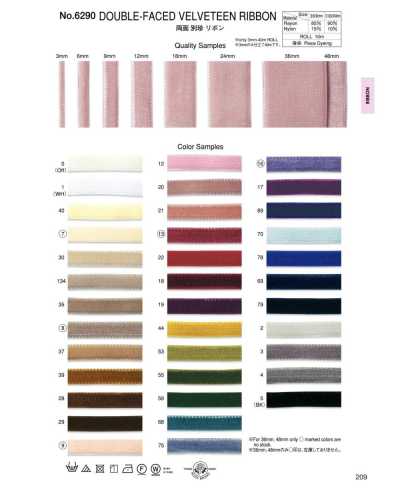
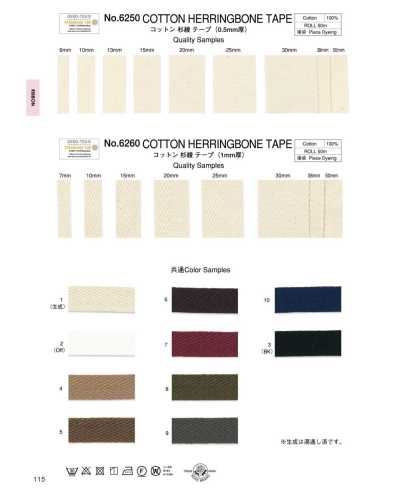
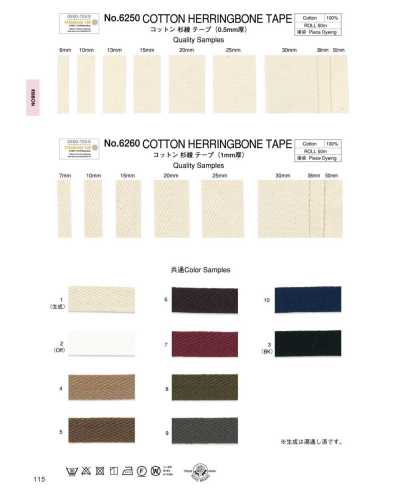
Contents6 sections
Definition and Overview
Cut-to-length sales is a method of selling accessory materials supplied in continuous form in the required length units. It is used for small-scale prototypes, sample making, repairs, and similar purposes. It may also be called meter cut or cut sales.
This is not a term for a material name, a woven, knitted, or braided structure name, or a product type; it is a term related to the sales and delivery unit. Even with cut-to-length sales, the structure and characteristics of the item, such as ribbon, flat tape, or round cord, differ.
Materials, Structure, and Size Indication
Items sold cut to length include woven tape, knitted tape, braided cord, ribbon, and cord. Materials also vary widely, including cotton, polyester, and nylon, and the material, weave, or elasticity cannot be determined from the label cut-to-length sales alone.
Flat tape and ribbon are usually checked by width in millimeters. For round cord and cord, thickness may be shown by diameter. When ordering, confirm the required length as well as the width or thickness, color, structure, and rolling direction in the product specifications.
- Because width is the finished dimension, slight differences may occur depending on manufacturing conditions and measurement state.
- For elastic tape or cord, also confirm whether the stated length is before stretching.
Main Applications
It is suitable for applications that require only a small amount, such as decorating prototypes, finishing necklines and cuffs, piping, threading cords, bag handles, and costume decoration. Even in the planning stage, when the required amount per product has not yet been finalized, you can use actual materials to check sewing and appearance.
When using the same material continuously in mass production, order with the total required amount and waste in mind. Compared with sales by roll or bolt, cut-to-length sales make it easier to purchase only the needed amount, but the conditions per unit may differ.
Selection and Handling Notes
Consider not only the length needed for cutting, but also extra allowance for the start and end of sewing, tying, heat treatment, pattern matching, and similar steps. Check in advance whether the required length can be secured in one continuous piece, the minimum orderable length, cut units, and the possibility of receiving multiple pieces.
The cut ends of woven tape and braided cord may fray easily. Depending on the application, consider folding in the edge, finishing the end, or heat treatment. However, whether heat treatment is possible depends on the material, so test on an inconspicuous area or scrap first.
Stretching or shrinking after washing, color transfer, and shape changes depend on the material, structure, and processing. When used in garments, confirm compatibility with the washing conditions of the base textile, and if possible, perform a washing test at the prototype stage.
Differences from Similar Terms
Roll refers to a supply form in which tape or textile is bundled in a fixed length. Cut-to-length sales refers to the method of selling by cutting the required length from that roll or bolt. Therefore, roll sales and cut-to-length sales are not opposing material classifications, but a difference in sales units.
Hank winding and bobbin winding describe the winding method or packaging form of cords and similar items. These products may also be sold cut to length. Cut-to-length sales, winding method, and woven, knitted, or braided structure are all expressions from different viewpoints.
Frequently Asked Questions
Will cut-to-length sales arrive as one continuous piece in the ordered length?
In many cases, the specified length is supplied as one continuous piece, but depending on stock status, order length, and product-specific sales conditions, it may be divided. If a single continuous piece is required, confirm whether continuous length is available and the maximum possible size before ordering.
Does cut-to-length tape need to be pre-washed before washing?
Tape containing natural fibers such as cotton, or materials with elasticity, may change in dimensions or texture after washing. If the base textile and washing conditions need to match, it is reassuring to pre-wash a scrap piece and check for shrinkage and color transfer.
How should cut-to-length sales and roll sales be used differently?
Cut-to-length sales are suitable when the required amount is limited, such as for prototypes or small-quantity production. For mass production, where usage is high and the same material is used continuously, roll sales should also be considered. Decide based on the total required amount, continuous length, conditions per unit, and storage quantity.