Dyeable Button
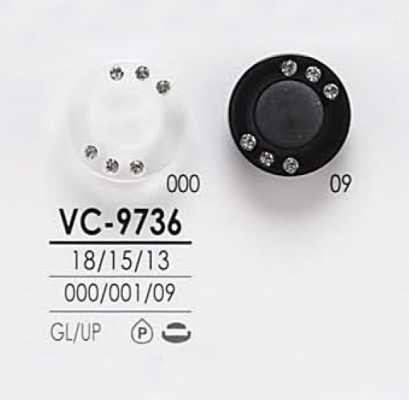
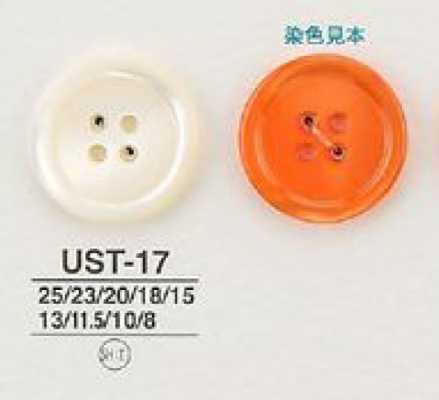
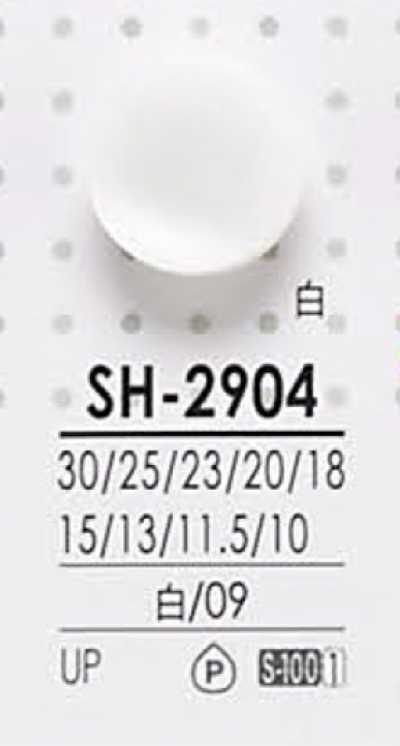
A dyeable button is a button designed to take on a shade close to the garment during a later dyeing process for textiles or finished products.
Contents6 sections
Definition and Overview
A dyeable button is a button intended to be sewn on in a white or light-colored state and then dyed together with the garment in a garment-dyeing or piece-dyed process. Because it allows the textile and trim to be matched in a similar color, it is used in products designed to take advantage of the color expression created by piece dyeing.
“Dyeable” refers to a button made with dyeing in mind, and does not mean that it will definitely match the main textile in every dye, color, or processing condition. If the fiber composition of the textile and the material of the button differ, dye uptake and color development will also differ.
Materials and Structure
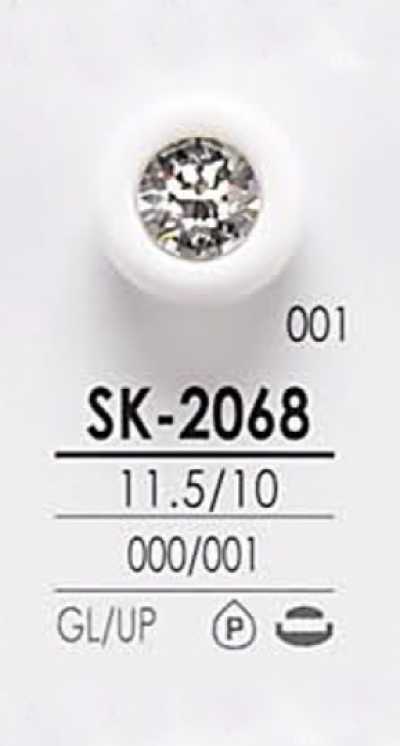
In many cases, buttons made with dye-compatible resin are selected. Some have the appearance of buffalo horn or nut, but it is important not to judge them as natural materials by appearance alone and to confirm the actual material, dyeability, and heat resistance.
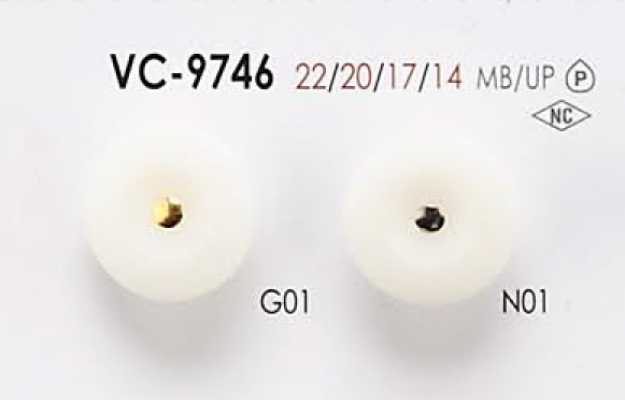
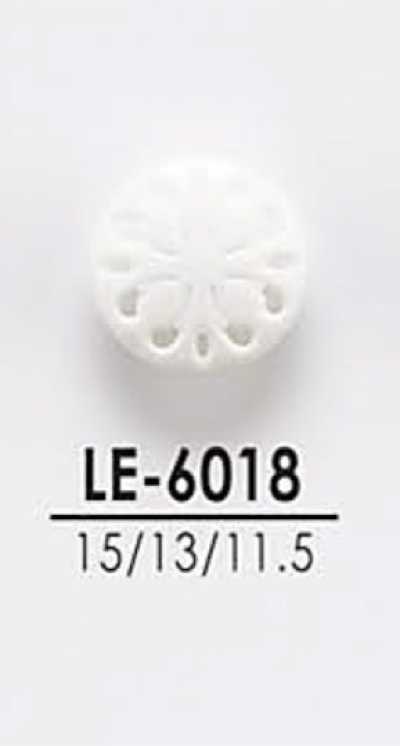
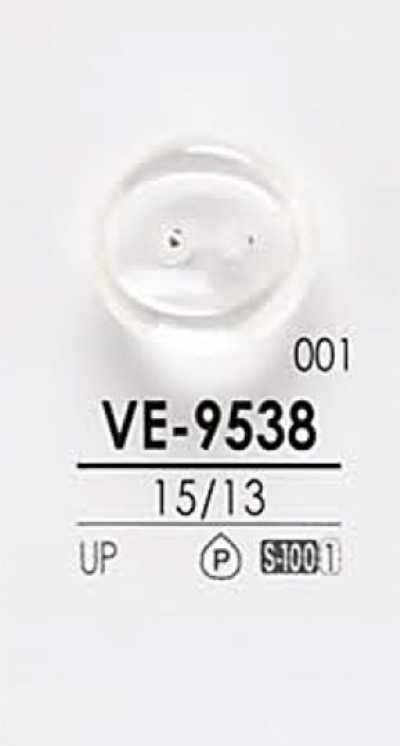
Shapes include two-hole, four-hole, and cat-eye front-hole types, as well as shank types that are threaded from the back side. Because the recesses in the holes and the base of the shank can be easily affected by dye liquor and washing liquid, depending on the shape there may be noticeable dye pooling, uneven dyeing, or reduced strength.
- Front-hole types are easy to use for shirts, pants, casual wear, and similar items.
- Shank types make it harder for sewing thread to show on the surface, but the durability of the shank must be checked.
- Thickness, the presence or absence of an edge, and the presence or absence of gloss also affect the final appearance after dyeing.
Size Indication
Button sizes are expressed in lignes and millimeters. Lignes are a conventional unit used for buttons, and on purchase orders and specification sheets, listing both the ligne notation and the actual millimeter size helps reduce misunderstandings.
Even with the same nominal size, the appearance and how well the button sits in the buttonhole differ depending on the edge shape, thickness, and surface curvature. When selecting, check not only the outer diameter but also the thickness, hole diameter or shank size, and buttonhole length using the actual product.
Main Applications and Attachment
These buttons are used for shirts, blouses, pants, workwear, jackets, outerwear, dresses, and similar garments that are garment dyed. When dyeing after sewing, it is necessary to ensure compatibility with the dyeing process for not only the buttons but also trims such as sewing thread, interlining, zipper, and labels.
Front-hole types are sewn on by passing the button-sewing thread through the holes. If the textile is thick, or if dyeing and washing processes place a load on it, leaving an appropriate thread shank and using a thread shank wrap so that the button does not sit too tightly against the textile helps with smooth opening and closing and reduces the risk of thread breakage.
Handling and Precautions
Depending on the conditions for dyeing temperature, dyes, auxiliaries, washing, and drying, the button may discolor, show color variation, change in gloss, deform, or crack. Before mass production, it is essential to conduct trial dyeing and washing tests using the actual textile, sewing thread, and trims that will be used.
Suitability for washing, dry cleaning, and ironing varies depending on the button material, structure, and condition after dyeing. Avoid direct, prolonged contact with an iron, prevent collisions with hard trims, and handle according to the care label; this helps reduce damage, cracking, and discoloration.
- Because textiles and buttons dye differently, evaluate them as a similar shade rather than an exact match.
- For dark colors, also check for color transfer; for light colors, check for yellowing and visible dirt.
- If garment washing is used as well, also check surface changes and chipping caused by abrasion.
Frequently Asked Questions
Will a dyeable button always dye to the same color as the textile?
No, not necessarily. Because the textile and the button react differently to dye, there will be differences in dye uptake, hue, depth, and gloss. It is necessary to test under the actual dyeing conditions before mass production and confirm whether the color difference is acceptable.
Can ordinary buttons be used for garment dyeing?
Whether they can be used depends on the button. Ordinary buttons may include ones that do not take dye, ones that are prone to deformation or discoloration from heat or chemicals, and ones whose surface finish changes. When garment dyeing is performed, select buttons after checking the dyeable designation and test results.
How should the size of a dyeable button be specified?
Specify it in lignes or millimeters. When ordering, in addition to the outer diameter, state the number of holes or the shank shape, thickness, presence or absence of an edge, and presence or absence of gloss in the specification sheet. Compatibility with the buttonhole should also be checked in the dyed and washed state.
- Search products for "Dyeable Button"
- Products with material "Polyester Resin"
- Products for style "For Shirts/blouses"
- Products for style "For Outerwear/blousons/coats"
- Products for style "For Pants"
- Products for style "For Skirts And Dresses"
- Products for style "For Jackets/Suits"
- Browse Button products