Elastic Tape
Elastic tape is a general term for narrow accessory materials, such as flat or round types, that use the stretch and recovery of an elastic band to provide fit, hold, and shape retention in clothing and fashion items.
Contents6 sections
Definition and Overview
Elastic tape is a general term for narrow-width materials that lengthen when stretched and try to return to their original length when the force is released. It is used for waistbands, cuffs, hems, underwear, masks, bags, and more, providing ease of wear and a fit to the body.
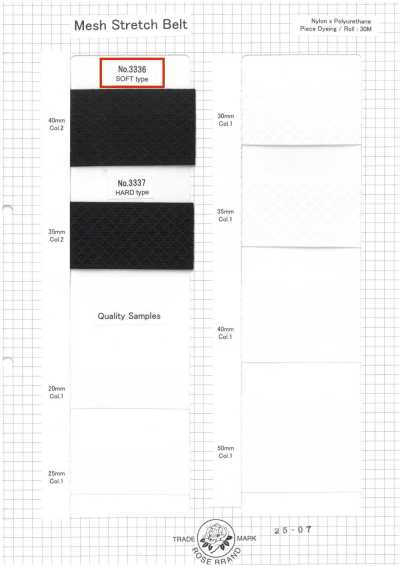
In general, it is manufactured by covering elastic components such as elastic yarn with fibers such as polyester or nylon, then weaving, knitting, or braiding them. The suitable applications and wearing feel vary depending on the width, thickness, stiffness, stretch rate, and stretch stress.
Main Types and Differences
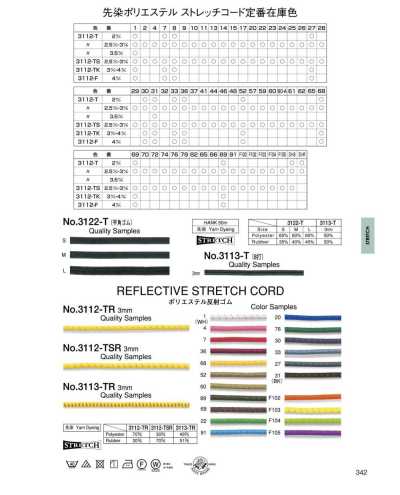
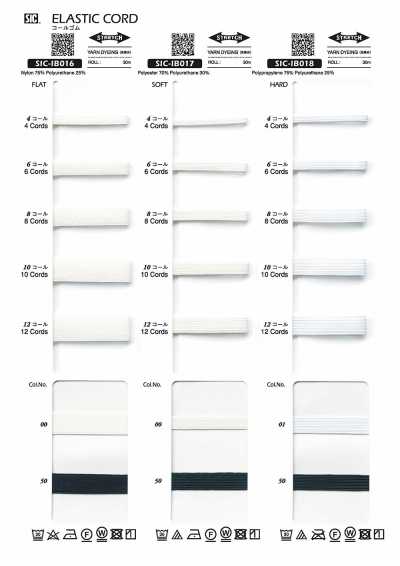
Flat elastic is flat and band-shaped, making it suitable for applications that evenly tighten a wide area such as waists and cuffs. Round elastic has a round cross section and is easy to thread in like a cord, so it is used for hems, hoods, masks, and more. Corded elastic has a structure with multiple thin elastic strands arranged side by side, making it suitable for gathering areas.
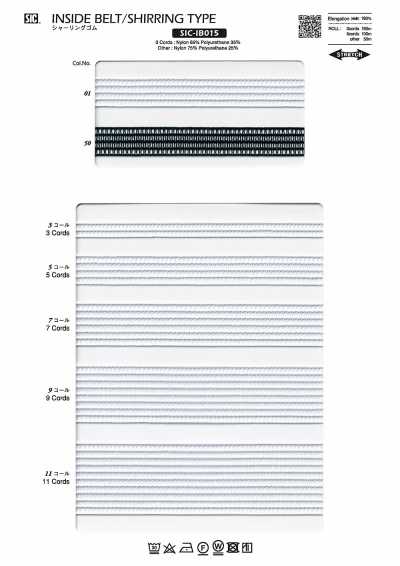
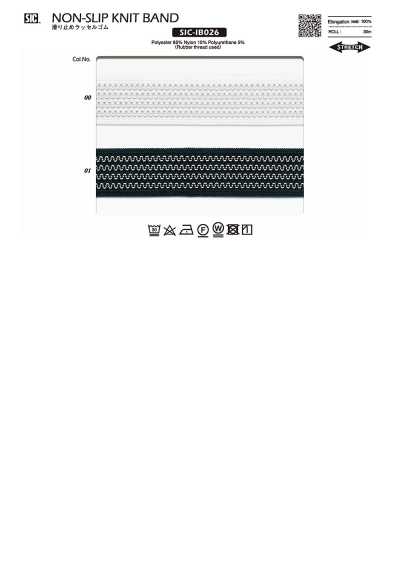
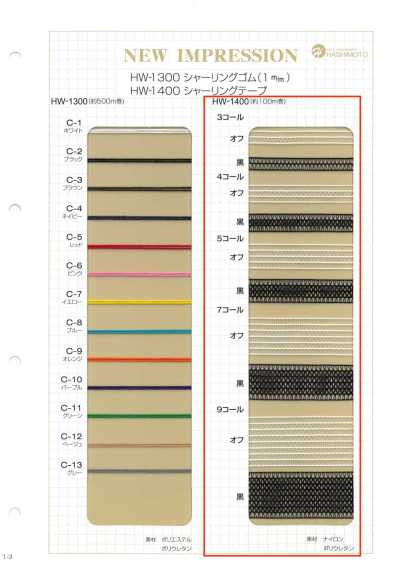
Shirring elastic is elastic used to create fine gathers through stretch. Non-slip elastic adds friction with silicone or similar materials to prevent slipping. Inbell is used mainly on the inside of pants and skirts to stabilize the waist area.
Buttonhole elastic allows the length to be adjusted by combining holes and buttons. Picot elastic is characterized by its small decorative edge and is used for trimming the edges of underwear and lingerie. Jacquard elastic expresses letters and patterns through weaving or knitting, and is also used as a visible accessory.
- Woven elastic has a relatively firm texture and tends not to change width even when stretched.
- Knitted elastic is soft and used for applications that prioritize skin comfort.
- Braided elastic is easy to make into round or square shapes and is suitable for drawstring use.
- Strap elastic is narrow and used for shoulder straps and lingerie straps.
- Transparent elastic is used for applications that prioritize being less noticeable.
How to Choose and Find It in Product Listings
First, choose the shape according to the area of use. Flat elastic is a candidate for waists, round elastic or braided elastic for areas threaded through cord holes, corded elastic for gathered sections, and soft knitted elastic for areas that touch the skin directly.
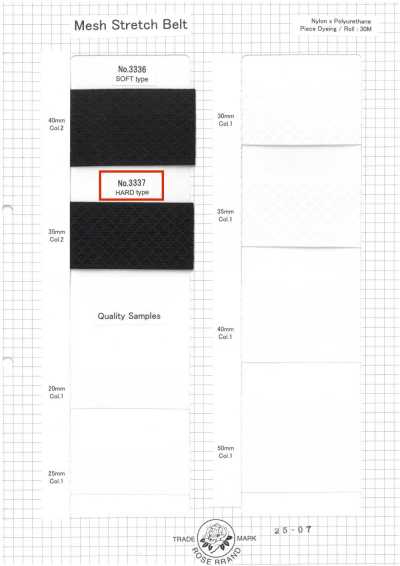
Next, check the finished dimensions, the width or thickness of the elastic, the required amount of stretch, and the return force. If you want to reduce tightness, choose a soft type; if you want to hold the shape firmly, choose a stiffer type with rebound performance in mind.
Also confirm the material, including the type of covering yarn and whether latex-free is required. In product listings, narrow down by conditions such as type, width/thickness, material, color, and application, and compare the displayed stretch rate and stretch stress as needed.
Handling and Sewing Notes
Before cutting, check the length and return behavior with the product stretched to the same extent as in actual use. If elastic is stored while stretched, it can cause residual stretch, so it is important to store it away from strong tension, high temperatures, humidity, and direct sunlight.
When sewing, stretch the elastic evenly only as much as needed and temporarily secure it at several points so it does not shift from the fabric. For constructions where the elastic is sewn in, consider zigzag stitching or stretch stitching so the seams can follow the stretch.
If stress concentrates on needle holes or seams, broken elastic yarn, puckering, or seam shrinkage may occur. Before full production, it is important to check the combination with the fabric, the sewing method, and the recovery after washing.
Differences from Similar Terms
Stretch tape is sometimes used for purposes such as controlling stretch at seam allowances or shoulder seams, and its application differs from elastic tape used to fit the body. Stabilizing tape is also mainly a material for preventing fabric stretch and stabilizing the shape.
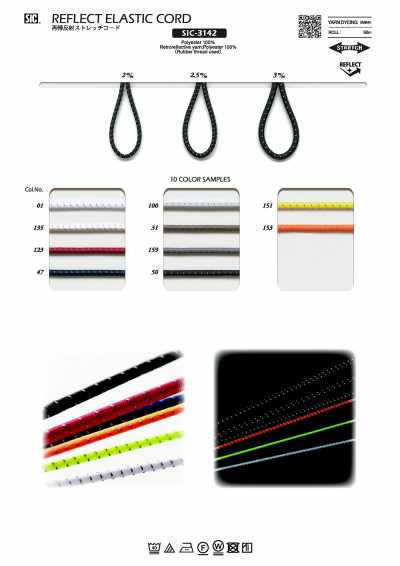
Flat cords, round cords, and spindles are often non-stretch and are mainly used for tying, threading, and gathering. Shock cord is a cord-like elastic material, but it is handled as being close to round or braided forms of elastic tape.
Frequently Asked Questions
How do you choose elastic tape for waists?
Choose based on the finished dimensions, required width, tightness when worn, and the thickness of the outer fabric. For pants and skirts, flat elastic is common. Do not decide based only on the length of the elastic; check the actual rebound force when stretched and the condition after washing with a prototype.
Why does elastic tape ripple when sewn?
Causes include uneven stretch between the elastic and the fabric, seams that do not follow the stretch, and thread tension or presser foot pressure that is too strong. Secure it temporarily at several points evenly, and if necessary consider a sewing method with stretch or differential feed.
- Browse Tape products
- Browse Cord products
- Products with material "Polyester"
- Products with material "Nylon"
- Products with material "Polyurethane"
- Products with material "Rubber"
- Products with material "Silicone"
- Products for style "For Pants"
- Products for style "For Skirts And Dresses"
- Products for style "For Innerwear"
- Products for style "For Lingerie"
- Products for style "For Sports"
- Products for style "For Kids"
- Browse Elastic Band products