Flat Foil And Twisted Foil
Flat foil and twisted foil are gold and silver threads used to add shine to textiles and decorative items, referring to foil that is woven in flat as is, or foil that is spirally wrapped around a buttonhole thread.
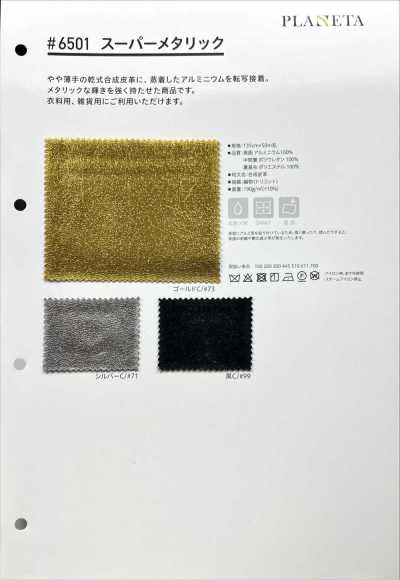
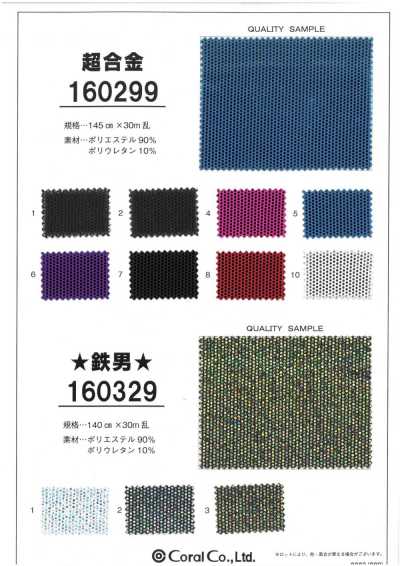
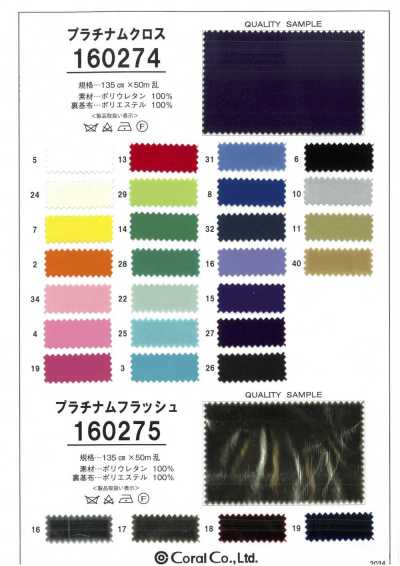
Contents6 sections
Definition and Structure
Flat foil is a material made by using narrow-cut foil as a flat ribbon, either as warp or weft yarn. Because it reflects light from the surface, it produces a metallic, distinct sparkle depending on the weave and viewing angle.
Twisted foil is made by wrapping foil around a buttonhole thread to form a yarn-like material. It is easier to handle as yarn than flat foil and is used for weaving and embroidery. Its thickness, flexibility, and luster vary depending on the foil material, buttonhole thread, and rolling direction.
Appearance and Texture
Flat foil tends to produce a ribbon-like sheen and is suited to making the outlines of patterns and large surfaces look more vivid. Twisted foil, on the other hand, has a yarn-like linear sheen and is well suited to curved lines and fine details.
Both may feel stiffer and less supple than fabric woven only with ordinary textile yarn. In areas where folds, friction, or bending are concentrated, the appearance of the foil may change or signs of damage may become more noticeable.
Main Applications
Flat foil and twisted foil are used in highly decorative textiles such as brocade, as well as obi fabrics and kimono fabrics, stage costumes, and formal dress embellishments. In apparel fabrics, they are used not only over the entire surface but also to add sheen to part of a pattern, stripes, or edging.
Seasonal suitability depends on the weave, thickness, and the fibers combined with the fabric. Since foil itself is not a material intended for warmth retention or breathability, the properties of the base fabric and whether or not a lining is used should also be considered according to the intended application.
- Patterned woven fabrics such as brocade
- Obi fabrics and decorative textiles for kimono
- Stage costumes, ceremonial wear, and dresses
- Decorative sections of bags and accessories
Selection and Handling Notes
When selecting, check not only whether it is flat foil or twisted foil, but also the foil width and thickness, strength of luster, compatibility with the base fabric, and whether it can be used in bending areas. Before mass production, it is important to confirm any changes in appearance through trial pieces that assume cutting, sewing, pressing, and wear friction.
Suitability for washing or cleaning, shrinkage, and heat resistance differ depending on the foil construction and base fabric. Since washing with water, strong friction, or pressing under strong pressure may damage the appearance, follow the washing instructions and processing conditions for each material.
During sewing, needle holes, feed marks, and presser foot marks may become noticeable. Set the specification so that seams do not need to be unpicked unnecessarily, and confirm the needle, thread, presser foot pressure, and stitch count in advance. When pressing, use a pressing cloth and test the temperature and pressure on an inconspicuous area.
Differences from Similar Terms
Lame yarn is generally used as a general term for yarn that creates a sheen using metallic film or similar materials. Flat foil and twisted foil are names that focus on the structure: whether the foil is used flat or wrapped around a buttonhole thread.
Foil printing is a process in which foil is transferred or bonded to the surface of fabric to create a shiny pattern. In contrast, flat foil and twisted foil are materials mainly used for woven goods and embroidery, and the process and structure for obtaining the shine are different.
Frequently Asked Questions
Which is easier to sew, flat foil or twisted foil?
In general, twisted foil tends to be easier to handle as yarn than flat foil, which uses flat foil as is, because it has a buttonhole thread core. However, actual sewability varies depending on thickness, rolling direction, base fabric, and the sewing area, so test sewing should be done with the actual specifications before mass production.
Can flat foil and twisted foil fabrics be washed at home?
Whether they can be washed depends on the foil construction, adhesive or wrapping specifications, and the material of the base fabric. Since friction, folding, or heat may damage the lustrous surface, do not judge by general rules; follow the care label and test results specified for the fabric or product.
What is the difference between flat foil, twisted foil, and foil printing?
Flat foil and twisted foil are materials used by weaving foil in or wrapping it around a buttonhole thread and using it as yarn. Foil printing is a process in which foil is attached to the surface of fabric to express a pattern or sheen. Their response to friction, appearance at bent sections, and precautions during sewing also differ.