French Embroidery
French embroidery is a general term for hand embroidery techniques developed in Europe that use embroidery thread to express a variety of stitches and patterns on the surface of fabric.
Contents6 sections
Definition and Overview
French embroidery is the Japanese term for embroidery that draws patterns on the surface of fabric with thread. By combining multiple stitches such as outline stitch and satin stitch, it expresses flowers, letters, and motifs in a raised and free-form way.
It is not the name of a specific stitch or place of origin, but generally refers broadly to surface embroidery from Europe. The basic method is to stretch the fabric in an embroidery hoop and stitch by hand with an embroidery needle and embroidery thread.
Uses and Main Stitches
Transfer the design onto the fabric and work while keeping the stitching direction and thread tension consistent with the grain of the fabric. By using different stitches for lines, areas, and points, you can express outlines, fills, shading, and flower centers.
In apparel, it is used for decoration on blouses and dresses, single accents on children's clothing, and embellishment on bags and accessories. Check the placement of the embroidery on the specification sheet or pattern so it does not interfere with later processes such as seam allowances, pockets, or buttonholes.
- Outline stitch is used to express outlines and letters.
- Satin stitch is a method of filling an area by laying threads close together without gaps.
- French knot is a method of wrapping thread around the needle to create a bead-like point.
- Chain stitch expresses lines with continuous stitches like a chain.
Materials and How to Choose Them
Choose fabric that the needle can pass through easily and that can withstand the forces created by embroidery. For beginners, plain-weave cotton or linen, where the weave is easy to see, tends to be easier to handle. With thin fabrics, highly stretchable knits, or loosely woven fabrics, it may be necessary to stabilize them with fusible interlining or similar materials.
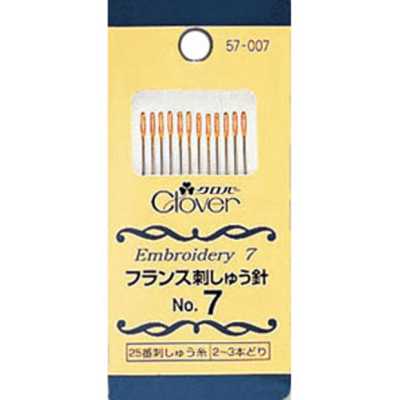
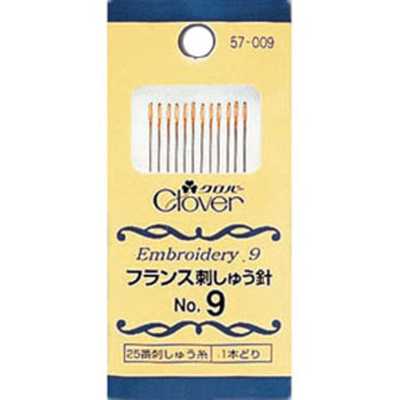
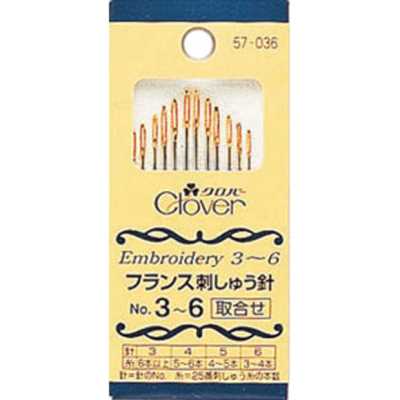
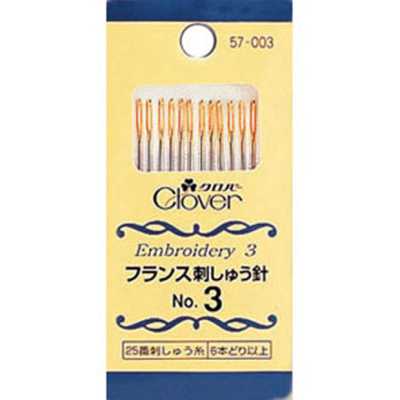
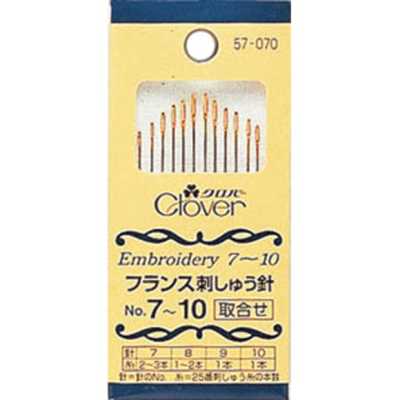
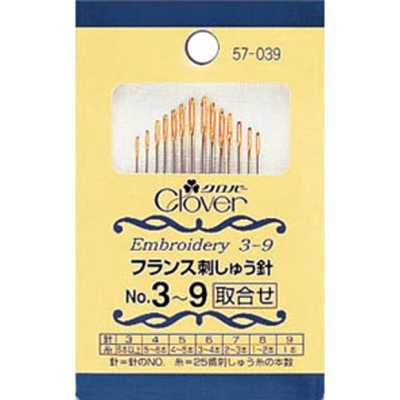
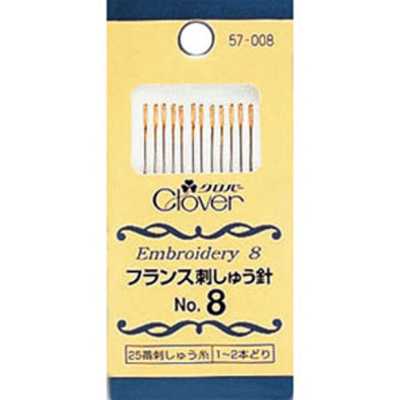
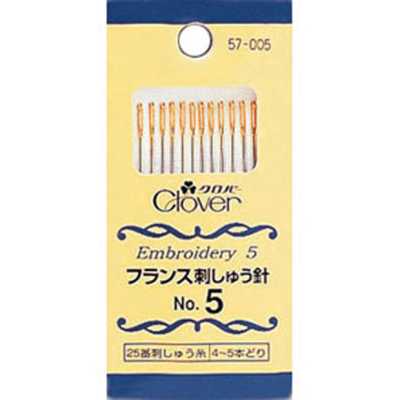
Choose thread according to the thickness, sheen, color, and washing method you want. General embroidery thread can be divided into multiple strands, so the thickness of lines and areas can be adjusted by the number of strands used. The needle should match the thread thickness and fabric weight, and have an eye that lets the thread pass through without damage.
- For fine designs, combine a thin needle with fewer strands of thread.
- For large motifs, use an embroidery hoop to prevent the fabric from warping.
- When embellishing ready-made products, check the feel against the skin on the back of the embroidery and whether the stitches catch on anything.
Care and Safety Notes
When adding embroidery to items that will be washed, check the care labels for both the fabric and thread. Dark-colored threads and natural-fiber threads may run or shrink, so test on a scrap in advance and avoid strong friction or long soaking. After washing, reshape the item and avoid rubbing the embroidered area hard.
When ironing, do not press directly on the embroidery face-down; instead, place a thick towel underneath and press lightly from the reverse side. Return needles and scissors to their designated container after use, and check that there are no broken needles or dropped needles. For products intended for infants and toddlers, also be careful of loose thread ends and catches on the decoration.
Differences from Similar Terms
Cross stitch is a technique that creates patterns with intersecting stitches while counting the fabric weave, and it is sometimes treated separately rather than included in French embroidery. French embroidery is characterized by not being restricted by the fabric weave, making it easier to express curves and pictorial motifs.
Japanese embroidery refers to embroidery based on traditional Japanese designs and techniques, using silk thread and other materials. Bead embroidery is a technique that decorates by sewing beads in place. All of these use a needle and thread, but their main materials, methods of expression, and technical backgrounds differ.
Frequently Asked Questions
What fabric is suitable for French embroidery?
Plain-weave cotton or linen, where the weave is easy to see and the needle passes through smoothly, is common. On thin fabric, stretchable knits, or loosely woven fabric, embroidery may distort the material. Use an embroidery hoop as needed and add interlining on the reverse side to stabilize the fabric.
How many strands should embroidery thread use?
Fewer strands are suitable for outlines and fine motifs, while more strands are suitable for areas to be filled in or places where you want more presence. The right number of strands varies depending on the type of thread, needle eye, fabric density, and size of the design, so test stitch on the same fabric and check how the stitches look.
Can embroidered clothing be ironed?
Ironing is possible if you follow the care labels for the fabric and embroidery thread. However, strong direct pressure on the embroidered face can flatten the stitches or change the sheen. Place the embroidery face down on a towel and iron from the reverse side while checking the temperature, using a pressing cloth if needed.