Crewel Needle
A crewel needle is a hand-sewing needle with a sharp point and a relatively large eye, used to stitch patterns by passing embroidery thread through fabric.

Contents5 sections
Definition and Overview
A crewel needle is a needle used for crewel embroidery, in which patterns are drawn with thread on the surface of fabric, such as outline stitch and satin stitch. Because the tip is sharp, it can be used not only to pass between weave threads but also to stitch by passing through the weave threads.
The needle eye is made longer than that of a general sewing needle, making it easier to thread multiple strands of embroidery thread or thicker embroidery thread. In English, it is called a crewel needle and is used for a wide range of hand embroidery, including wool embroidery.
How to Use
Stretch the fabric moderately in an embroidery hoop and use the needle by inserting it straight in line with the stitching position. Do not use thread longer than necessary, and if tangling or fraying occurs, keep the thread neat as you stitch to make it easier to achieve an even embroidery surface.
If the needle eye is too small for the number or thickness of the embroidery thread, the thread will rub and fray more easily. On the other hand, if the needle is too thick, it may leave large holes in the fabric, so it is important to choose a thickness that suits both the thread and the fabric.
- At the start and end of stitching, consider finishing without bringing the knot to the front side.
- Do not pull the thread too tightly; stitch with tension that does not pucker the fabric.
- In small areas where an embroidery hoop cannot be used, support the fabric by hand so it does not sag.
Types and How to Choose
Crewel needles come in different types depending on the size number, needle thickness, length, and needle eye size. In general, a larger size number tends to mean a thinner, shorter needle, but because the labeling and dimensions vary by product, check not only the size number but also the actual thread and fabric to be used.
Thin needles are suitable for lightweight fabrics and tightly woven fabrics, while thick needles with extra room in the eye are suitable for multiple-strand embroidery thread or wool yarn. For firm fabrics, make a test stitch to see whether the needle passes through smoothly, then decide which needle to use for the main work.
Embroidery needle can refer to embroidery needles in general and is a broader term than crewel needle. A cross-stitch needle with a round tip is suited to stitching without splitting the weave, and it is used differently from a crewel needle with a sharp tip.
Care and Safety Notes
Replace needles if the tip is bent, worn, rusted, or the needle eye is damaged. A damaged needle can harm not only the fabric and thread, but also cause snagging or injury during embroidery. After use, wipe lightly with a dry cloth and store away from moisture.
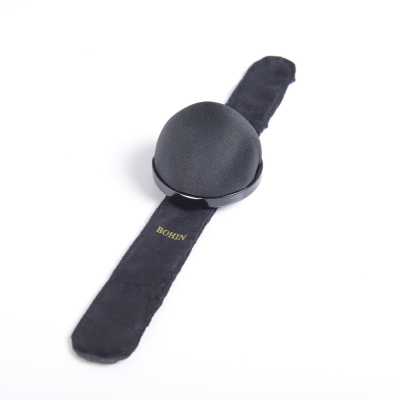
It is important to return needles to a pincushion or needle case during work and not leave them stuck in fabric or clothing. In particular, when hand embroidery is applied to product samples or mass-produced items, count the needles before and after work to prevent needle contamination.
- Do not hold the needle in your mouth or set it down temporarily anywhere other than where you are working.
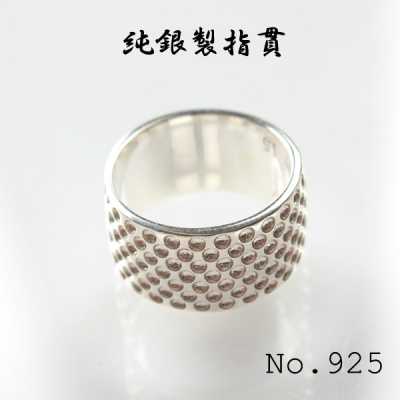
- If you want to protect your fingertips, use a thimble.
- In places where small children may touch them, manage them in a container with a lid.
Frequently Asked Questions
What is the difference between a crewel needle and an ordinary sewing needle?
A crewel needle has a relatively long eye that makes it easier to thread embroidery thread and a sharp tip that makes it easy to insert into fabric. You can embroider with an ordinary sewing needle as well, but it is harder to thread when using multiple strands, and it also tends to put more strain on the thread, so use a needle that suits the purpose.
What size crewel needle should I choose?
Choose based on the thickness and number of strands of the embroidery thread you use, as well as the density of the fabric. A needle that lets the thread pass through the eye smoothly and can be stitched without leaving noticeable holes in the fabric is a good guide. If you are unsure, prepare several thicknesses and test them on a scrap piece of fabric, then compare thread passage and stitching feel.
What should I do if the needle does not pass through the fabric easily?
Do not force it in; check whether the needle tip is damaged and whether the needle is too thick. If the needle is too thick for the fabric, switch to a thinner needle, and for thick fabrics, use a thimble if necessary. If the embroidery hoop tension is too strong or too weak, stitching also becomes difficult, so review the tension as well.