


Full Cardigan Stitch
Full cardigan stitch is a weft-knit structure that combines rib knitting with tuck stitches, creating ridges on both the front and back and giving the fabric thickness and dimensional texture.
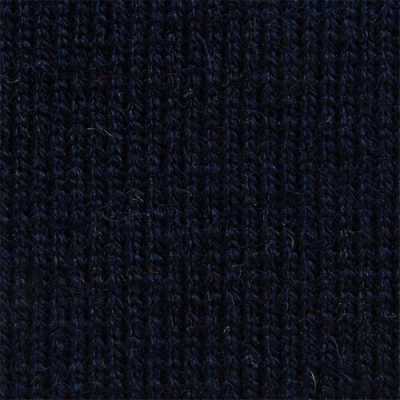
Contents6 sections
Definition and Overview
Full cardigan stitch is a type of rib structure used in weft knitting. It is called full cardigan because ridges are visible on both the front and back sides, and in English it is called full cardigan. Tuck knitting is a method in which stitches are held on the needles without being knitted in a certain course, then knitted together with the next stitch.
Because it creates more overlap in the stitches than ordinary rib knitting, it produces more thickness and clearer shading in the ridges. Depending on yarn thickness, machine gauge, and stitch density, the size, firmness, and elasticity of the ridges can vary greatly.
Texture and Function
It is characterized by its fullness and resilience, creating a voluminous appearance. The ridges and texture create visual interest, and even in solid patterns it can be designed to make use of the structure. When knitted thick, it tends to trap air easily and provide warmth.
On the other hand, because the yarn overlaps due to the tuck structure, it tends to be heavier than ordinary rib knitting made with the same amount of yarn, and it may sag horizontally or change dimensions. It is important to check not only elasticity but also recovery after stretching through trial knitting.
Main Applications
Its three-dimensional ridges and thickness make it suitable for sweaters, cardigans, knit jackets, and vests. Because it can easily create a firm appearance, it is also suitable for partial use in collars, front bands, cuffs, and hems.
In general, it is often used for medium-weight to heavy knitwear for fall and winter. However, if a fine yarn is set with a loose stitch density, it can also be used for a light outer layer for early spring or as a knitted structure transition.
- Sweaters and cardigans with emphasized ridges
- Knit jackets and vests that need to hold their shape
- Knitted structure transitions for collars, front bands, cuffs, and hems
How to Choose and Handling Precautions
When selecting materials, if warmth and fullness are important, wool-based materials are considered; if lightness and ease of handling are required, blends with synthetic fibers are considered according to the intended application. Tighter stitch density increases density and stability, but also increases firmness and weight, so check under conditions close to the final product.
During washing, stretching due to the weight of the knit fabric and shrinkage depending on the material may occur. Perform washing tests before production to confirm shrinkage, skewing, and dimensional change. When drying, avoid hanging on hangers; flat drying is generally recommended to help prevent distortion.
For knit fabrics that will be cut and sewn, the edges tend to stretch easily, and seam slippage or waviness may occur. Let the knitted fabric relax after removing it from the roll, use stay tape or differential feed as needed, and avoid applying excessive tension during sewing.
Differences from Similar Terms
Half cardigan stitch is a structure in which the appearance of the ridges and the placement of the tucks are mainly on one side. By contrast, full cardigan stitch tends to show ridge texture on both sides, making it easier to achieve greater thickness and fullness. However, the naming of the structure and the specific knitting method may differ depending on the factory.
Rib knit is a basic rib structure with knit stitches and purl stitches arranged alternately, and it offers excellent elasticity. Full cardigan stitch incorporates tucks into this structure, creating a three-dimensional effect and thickness different from rib knit. Purl stitch may also look similar on the front and back in some cases, but the stitch construction and ridge formation are different.
Frequently Asked Questions
Is full cardigan stitch the same as rib knit?
No, it is not the same. Full cardigan stitch is a structure based on rib construction combined with tucks, and it tends to create more thickness and three-dimensional ridges than ordinary rib knit. Choose it according to the required elasticity, weight, and appearance.
How do you check shrinkage in full cardigan stitch?
Because shrinkage varies depending on yarn material, knitting density, and finishing conditions, check it through fabric or product testing. Measure the length, width, and twist after washing, and reflect the results in the pattern dimensions, care label, and finishing conditions before mass production.
What should you be careful about when sewing full cardigan stitch?
Because it is thick and elastic, seam allowances can become bulky, and seam slippage or waviness may occur. After allowing the knit fabric to relax sufficiently, check the needle, thread, and feed settings in advance, and apply anti-stretch treatment as needed.





