Tuck
A tuck is a sewing specification in which part of the fabric is folded and stitched down to adjust fullness or add dimensionality and decorative shading.
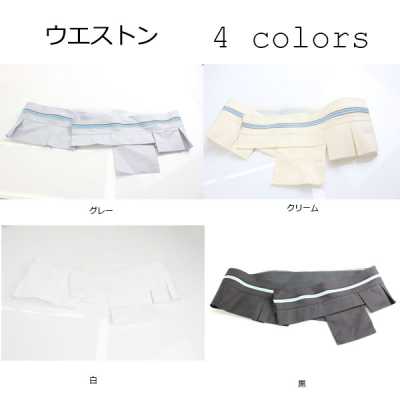
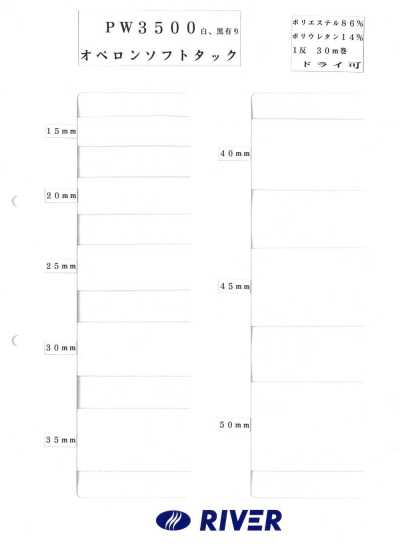
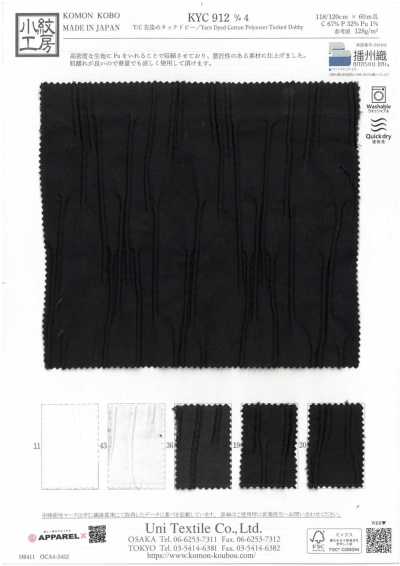
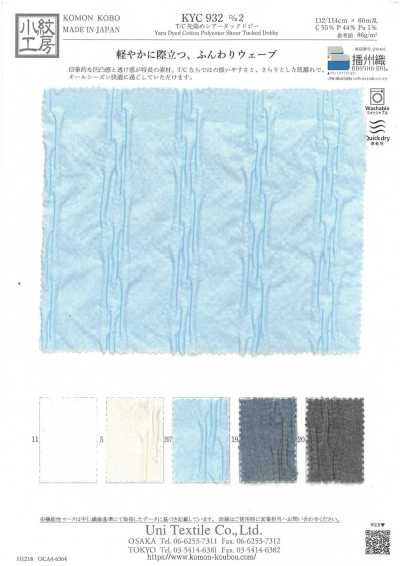
Contents6 sections
Definition and Overview
A tuck is a specification in which a fixed amount of fabric is pinched, folded, and stitched down at the fold ridge or fold edge. It is used to add ease around the waist of pants and to give blouses, skirts, dresses, and similar items volume and decorative appeal.
Even with the same tuck, the appearance and wearing comfort change depending on the folding direction, amount pinched, length of the stitching, and how it opens. Single tuck and double tuck are terms mainly used to indicate the number of tucks inserted in the front of pants.
Process in Product Manufacturing
For tucks, the amount and position are determined in pattern design, and the sewing specification sheet specifies the folding direction, finished width, and end point of stitching. After cutting, they are usually folded according to notches and chalk marks, then stitched down before entering assembly processes such as seaming.
Before mass production, samples are made using the actual fabric to check the opening of the tucks, left-right differences, and dimensions such as the waist area. Because folding accuracy changes depending on the thickness and slipperiness of the outer fabric, interfacing, press conditions, and sewing sequence are also considered together.
- Specify the number of tucks, folding direction, finished width, and stitching end point in the specification sheet.
- For symmetrical designs, check that the folding direction and position match on both sides.
- For patterned fabrics, check how the pattern appears and where it lands after the tuck is folded.
Process and Practical Points
Accurately marking the fabric based on the grainline and pressing the fold ridge with an iron before sewing helps prevent the tuck from twisting. On thick fabrics, steps caused by overlapping layers tend to appear, while on thin or soft fabrics the fold ridge tends to collapse, so confirmation through prototyping is necessary.
Tucks in pants directly affect ease and silhouette. Making a tuck deeper increases the volume around the waist, but also increases fullness near the center front. The longer the stitching end point, the more firmly the fold is fixed; the shorter it is, the more naturally it opens toward the hem.
Ordering and Quality Precautions
When placing an order with a sewing factory, share not only sample photos of the tucks but also flat drawings, instructions for cross-sections and folding direction, and the allowable dimensional tolerance. In particular, tucks in the front panel stand out as appearance defects if the position, number, or stitching end length differs between left and right.
During inspection, check for incorrect folding direction, insufficient or excessive tuck amount, bent stitching ends, fraying at reverse stitching, and gloss caused by pressing. Since the fold ridge may collapse after washing or wear, durability should also be evaluated if necessary.
Differences from Similar Terms
A dart is a specification in which fabric is sewn closed in a wedge shape to give flat fabric dimensionality. Tucks also create dimension, but the difference is that the folded fabric usually remains on the surface and appears as added ease or folds.
Gathering is a specification that creates small gathers by sewing the fabric smaller, while a tuck is a specification that neatly folds the required amount by defining the fold line. Pleats often use continuous fold lines and are kept in shape by heat or processing, so their purpose and process differ from tucks, which are partly stitched down.
A pintuck is a decorative tuck in which many narrow folds are stitched down in parallel. Tuck knitting refers to a knitted fabric stitch operation. A tack button is the name of a metal accessory and is a different term from a tuck as a sewing specification.
Frequently Asked Questions
How are tucks and pleats used differently?
Tucks are a specification in which the fabric at the necessary area is folded and stitched down to create ease or localized dimensionality. Pleats form folds with continuous fold lines and may have their folded shape fixed by processing. They are used differently depending on design, durability, and process.
What is the difference between single tuck and double tuck in pants?
Single tuck means there is one tuck on one side of the front panel, while double tuck means there are two. Double tucks generally make it easier to take in more room around the waist, but the appearance also changes greatly depending on tuck depth, direction, stitching end point, and material thickness.
What is checked in tuck quality inspection?
Check the left-right position and folding direction, number, tuck amount, stitching end point, and whether the stitching line is bent. In addition, check for poor pressing at the fold ridge, fraying of the stitches, misaligned patterns, steps that tend to occur in thick fabrics, and fold collapse that tends to occur in thin fabrics.