Header
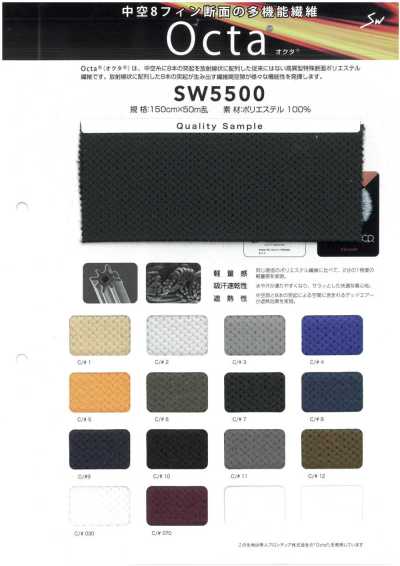
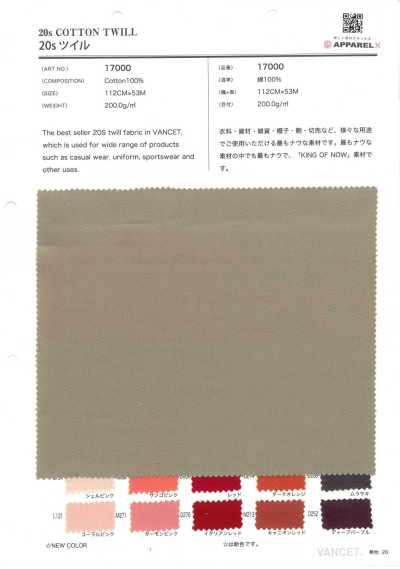
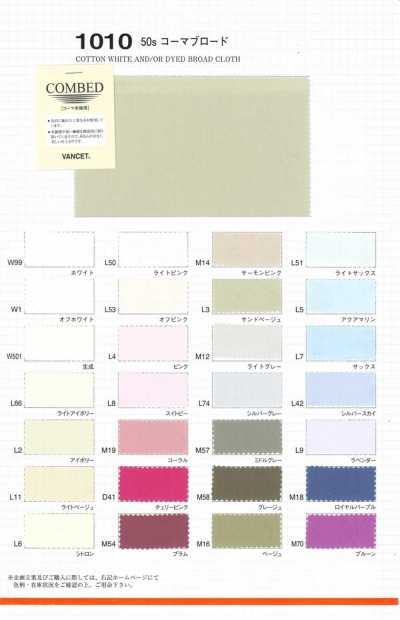
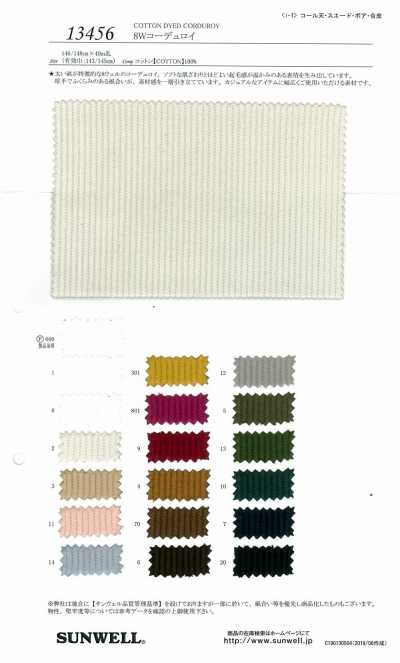
A header is a sample used for transactions, consisting of a small cut piece of fabric with a backing sheet that lists the product number, color number, and other details, used to check color, texture, and specifications.

Contents6 sections
Definition and Overview
A header is a sample for transactions made by combining a fabric swatch with a backing sheet that lists information. It is used for planning, fabric selection, internal approval, and proposals to customers, and serves to share a color tone and surface feel close to the actual material.
In some cases, the fabric piece alone is called a header, but generally the fabric piece and the backing sheet with identifying information for that fabric are treated as a set. The name and the format of the backing sheet vary by supplier.
Uses in Fabric Transactions
In the early stage of comparing candidate fabrics for adoption, the header is used to check the texture, thickness, sheerness, luster, and appearance of the pattern. Including the color number and product number helps organize multiple candidates and makes it easier to share the selection with the people involved.
After selection has been considered, the header may be attached to specifications or approval records and used as material to identify the item to be ordered. However, because a small sample alone cannot fully determine the appearance of a production roll or how the pattern will look, a sample roll should also be checked when necessary.
- Selecting candidate materials and colors by the planning team
- Sharing the feel of the fabric among designers, pattern makers, and sewing staff
- Presenting fabric variations in sales proposals and meetings
- Checking product numbers, color numbers, and specifications before ordering
Information to Check and Reference Figures
On a header, at minimum, confirm the product number, color number, blend ratio, fabric width, fabric weight, and the source of price conditions. Construction, processing, applications, stock availability, minimum lot size, and delivery date should also be checked from the backing sheet or separate documents.
There is no unified standard for sample size. With a small piece, it can be difficult to judge pattern repeat, drape, stretch, or the direction of the nap. For patterned fabrics, fabrics with long pile, or fabrics where the processing effect is important, it is practical to check a larger sample or a sample roll.
- Whether the product number and color number match the purchase order
- Whether the front and back, grain, and pattern direction can be identified
- Whether the blend ratio, fabric width, and fabric weight units and values are clearly stated
- Whether the sample date, lot, and revision or discontinuation information can be confirmed
- Whether testing information needed for uses such as washing, bonding, or sewing is available separately
Points to Avoid Misunderstanding
A header is a sample showing a candidate for adoption and does not guarantee a perfect match with mass-produced goods. Color and texture may differ depending on the dye lot, processing conditions, and the light source used for viewing. Before production begins, the fabric from the target lot or an approval sample is used for final confirmation.
A verbal request such as "this header's fabric" alone can lead to confusion with a different color, a different specification, or a discontinued item. It is important to record the product number, color number, quantity, desired delivery date, as well as the version of the sample and the confirmation date, and to check them against the purchase order.
Differences from Similar Terms
A swatch is a broad term for the small fabric sample itself, or for a sample book. A header often refers to a fabric sample with identifying information needed for transactions attached to a backing sheet, and also serves an information management role.
A hanger sample is generally a larger fabric sample attached to a backing sheet or similar material. It makes it easier to check how the fabric will look when made into a garment, as well as the drape and the impression of the pattern, while a header is more suitable for comparing and managing many product numbers and color numbers. A bunch is a sample book that collects multiple fabric samples in booklet form.
Frequently Asked Questions
Can I order fabric using only a header?
It is useful for identifying candidates and placing additional orders for standard items, but for first-time adoption or products with strict quality requirements, do not make a decision based on the header alone. Check the product number, color number, specifications, stock, and delivery date, and if necessary, confirm with a sample roll or an approval sample for mass production.
What is the difference between a header and a swatch?
Swatch is a broad term for a small fabric sample. A header usually refers to a sample with a backing sheet that includes information such as the product number, color number, and blend ratio. However, naming may overlap depending on the supplier or industry.
What should I be careful about when checking color with a header?
The color of the sample is affected by the light source, surrounding colors, and lot differences. Check it not only in natural light but also under lighting close to the environment where the product will be sold or used, and specify it by product number and color number rather than by color name. Confirming the color of the target lot before production helps reduce misunderstandings.