Jacquard Knit
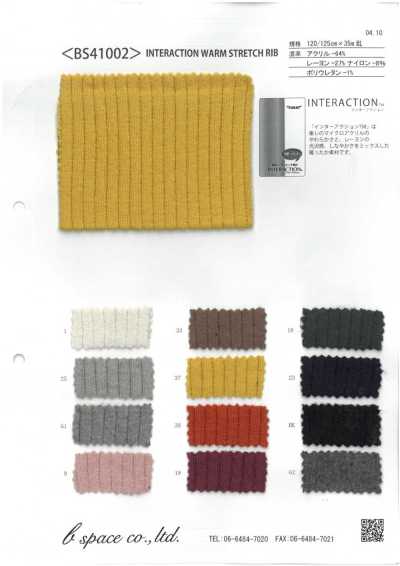
Jacquard knit is a knit fabric that creates patterns and a textured surface by changing the knit structure and the combination of colored yarns.
Contents6 sections
Definition and Overview
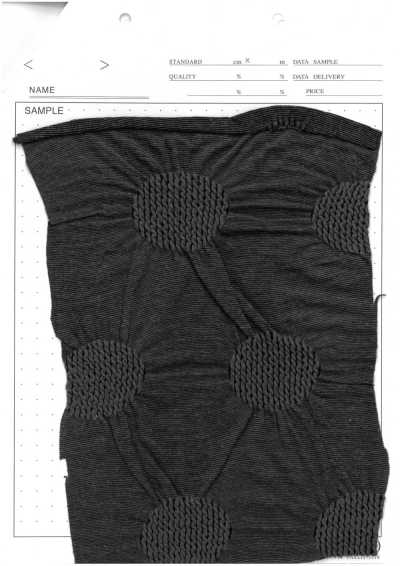
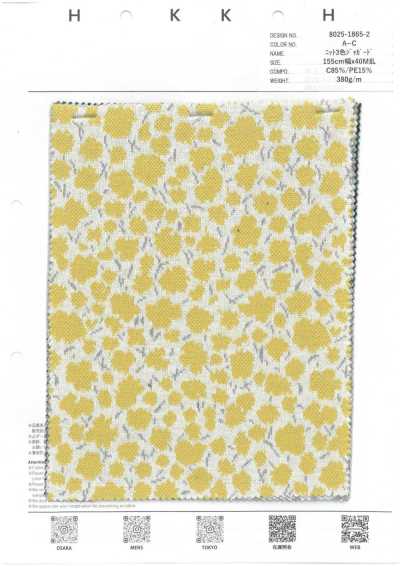
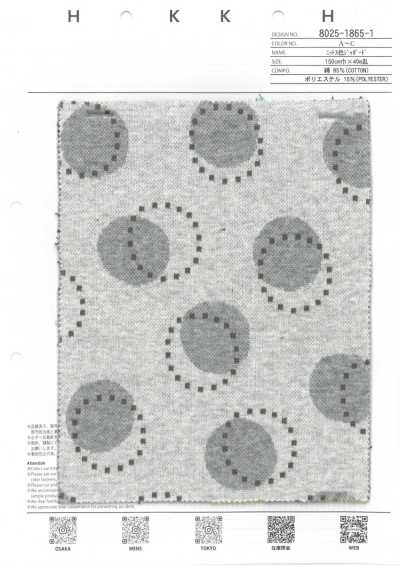
Jacquard knit is a knit fabric that expresses dots, small floral motifs, geometric patterns, abstract patterns, and more by controlling the structure of the stitches, yarn colors, and floating yarns on the knitting machine. Because the pattern is built into the knit itself, it creates a sense of dimension and depth that differs from printing.
“Jacquard” does not refer to a specific fiber name or a single knit structure name, but may refer to a method for expressing complex patterns. For that reason, the material, thickness, stretch, and surface appearance vary greatly depending on the design of each fabric.
Characteristics and Hand Feel
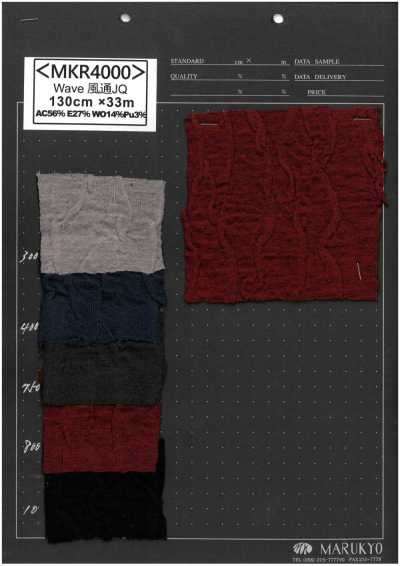
Because of the texture created by the knit pattern and the yarn changes, this is a fabric that can more easily give a rich appearance than solid jersey and similar fabrics. Some types maintain lightness while adding fullness, while others emphasize the pattern, and they are used as a material that becomes the main focus of the design.
Since it is a knit, it generally has more stretch than woven fabric, but the direction and degree of stretch vary by structure. In designs where floating yarns appear on the back, it is also necessary to check snagging tendency, the feel against the skin, and the thickness at the seam allowance.
- The outline and dimensional effect of the pattern change depending on the thickness and color contrast of the yarn used.
- Thicker, denser knits tend to create a relatively firm silhouette.
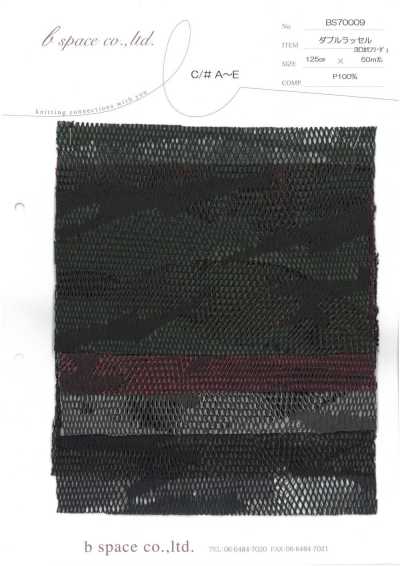
- Lightweight knits and openwork designs can improve breathability and give a lighter appearance.
Main Uses and Seasonality
It is used for cut-and-sew tops, pullovers, cardigans, dresses, skirts, pants, jackets, and more. It is especially suitable for one-piece garments that make use of the pattern, and designs with fewer panel changes that highlight the look of the knit fabric.
The season depends on the material and thickness. Thin fabrics made with cotton or synthetic fibers are also used for spring and summer tops, while medium-weight fabrics with fullness or wool blends may be used for autumn and winter knitwear, outer layers, and bottoms.
How to Choose and Handling Precautions
When selecting, check the pattern size and repeat, the pattern direction relative to the grain, the front and back sides, the stretch in the width and length directions, fabric weight, and sheerness. Since it may be difficult to adjust pattern placement after cutting, allow extra yardage for areas that require pattern matching, such as the center front, side seams, and pockets.
Because knit fabrics can change dimensions through washing and steam, carry out pre-shrinking or washing tests before mass production to check shrinkage and skew. Washing methods are affected by fiber blend ratios and finishing processes, so always follow the care label and test results for each fabric.
In sewing, pulling the fabric too much during stitching can make waviness and puckering more likely. Set the needle, thread, and feed conditions according to the stretch characteristics, and use stretch tape or interlining as needed to control stretching at the shoulder seams, neckline, and similar areas.
Differences from Similar Terms
Jacquard is originally a concept for pattern expression used for both woven fabrics and knits. Jacquard knit refers to patterns made in knitwear, and differs from woven Jacquard in stretch, how the edges fray, and how it is handled during cutting and sewing.
Printed fabric has patterns applied to the surface of the fabric with dyes or pigments, whereas Jacquard knit expresses patterns through the knitting structure and yarn use. Dobby is often used to describe relatively small repeat patterns or structure changes, and its range of pattern expression and naming differs from Jacquard.
Frequently Asked Questions
How is Jacquard knit different from printed knit?
Printed knit has patterns applied to the surface of the knitted fabric, while Jacquard knit creates patterns through the knit structure and color yarn changes. Jacquard knit may show texture, thickness, and floating yarns on the back, so its appearance and handling during sewing are different.
Does Jacquard knit shrink?
The degree of shrinkage varies depending on the type of fiber, knitting density, dyeing and finishing, and washing method. Because knit fabrics may change in size or skew due to washing, heat, or drying, it is important to test them under conditions close to actual care conditions before mass production and reflect the results in the pattern.
What should be noted when cutting Jacquard knit?
Check the direction of the pattern, the repeat, and left-right symmetry, and place it so that the pattern does not shift unnaturally at the front body, collar, pockets, and similar areas. Since knits stretch easily, let the fabric relax after laying it out and straighten the grain before cutting. Take care not to damage the floating yarns on the back during cutting.