Knit Collar
A knit collar is a knitted component for collars, made by flat knitting or similar methods and attached to the neckline of polo shirts, blousons, and similar garments, using its stretch and shape retention to form the collar area.
Contents6 sections
Definition and Overview
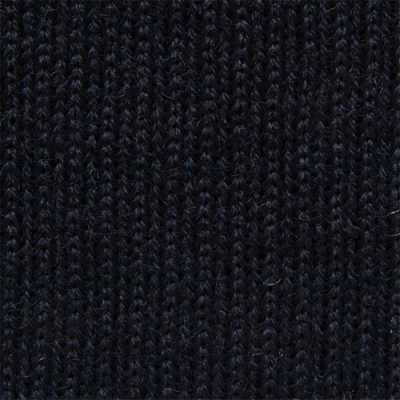
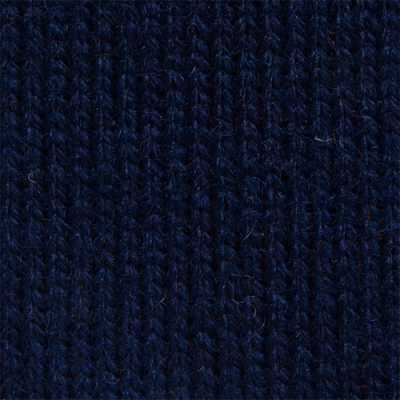
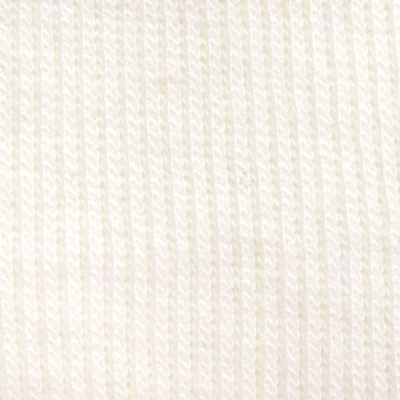
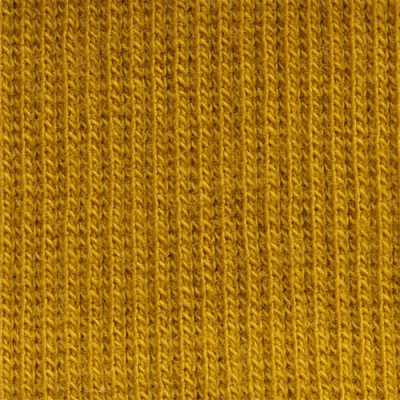
A knit collar is a collar component knitted separately from the fabric used for the body and sewn onto the neckline. Using the stretch of a rib structure and similar constructions, it follows the contour of the neck and shapes the collar line. In addition to solid versions, there are also designs with contrast lines or knitted patterns.
In practice, similar knitted components used not only for collars but also for cuffs and hems may be referred to as knit accessories or rib. However, knit collar originally refers to the part and application of the collar.
Knitting Method and Structure
In many cases, it is knitted to the required width and length by flat knitting. Rib knitting, in which knit and purl stitches are arranged alternately, stretches well across the width and returns easily. By choosing structures such as full cardigan or needle-out patterns, the appearance, thickness, and elasticity can be adjusted.
There are bag-type specifications with the collar end folded in half, single-layer specifications used without folding back, and specifications with the center front left open. Contrast lines are expressed by changing yarns, and the alignment with the placket and body, as well as the position and width of the lines, are key design points.
How Specifications Are Written
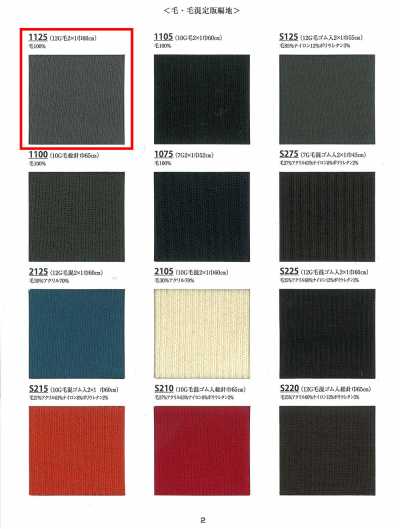
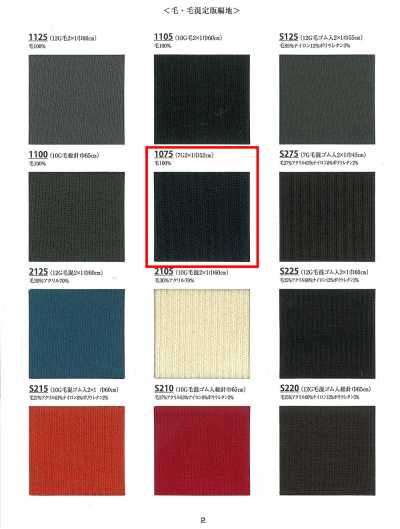
In orders and specification sheets, the gauge, finished width, length, structure, number of colors, and position of contrast lines are clearly stated. Gauge is a term that indicates the fineness of the knitting machine needles, and a higher number generally tends to produce a finer knit, so it is checked against the body fabric.
The number of ribs is sometimes used to indicate the configuration of the rib ridges. However, since the method of counting and terminology may differ by supplier, it is important to list the structure diagram, sample, and finished dimensions together to align understanding.
- Finished width and dimensions including seam allowance
- Finished length and attachment dimensions relative to the neckline
- Structure, gauge, and folding specification
- Color number, number of contrast lines, position, and width
- Dimensional change after washing and appearance standards
Main Applications and How to Choose
Knit collars are used for polo shirts, rugby shirts, blousons, cardigans, and similar garments. Even among similar knitted components, those used at the cuffs are commonly called cuff rib, and those used at the hem are commonly called hem rib. These help narrow the cuffs or hem appropriately and improve the fit when worn.
When selecting, check whether the collar thickness and tightness are not excessive relative to the body thickness, stretch, fabric weight, and washing method. Since the texture and handling differ depending on the material, such as cotton, polyester, or acrylic, also check color difference and shrinkage using actual samples.
Points to Note in Sewing and Differences from Similar Terms
Because knit collars stretch more easily than the body, sew by accurately matching the notches on the collar side and body side and controlling the feed amount. If the collar is pulled too much, the neckline will shrink; conversely, if the body is stretched, it can cause waviness. Check seam stretch and post-wash shape during the prototyping stage.
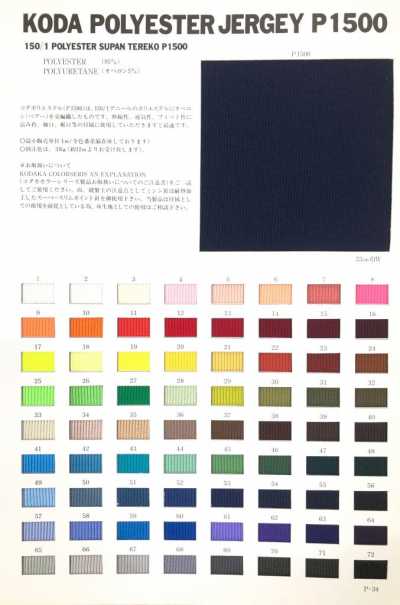
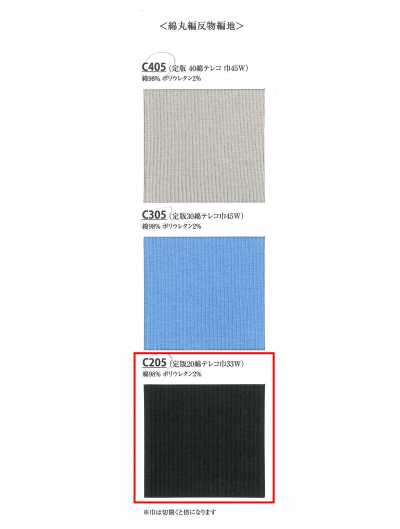
Rib knitting is the name of an elastic knit structure, while knit collar is a part name based on application. TERECO is sometimes used as a term referring to rib knitting. In addition, polo collar refers to the shape or use of the collar used for polo shirts, and may include materials and constructions other than knit collars.
Frequently Asked Questions
How do you choose the gauge for a knit collar?
Choose according to the body knit or fabric thickness, the desired collar firmness, and the fineness of the contrast lines. A finer gauge tends to create a more delicate look, while a coarser gauge makes the stitches more visible. Do not decide based on the number alone; check using knit samples and sewing samples.
Do knit collar and collar rib mean the same thing?
In many cases, they are used in a similar sense, and both refer to a knitted collar component. However, collar rib may emphasize that it is a rib structure. When using a structure other than rib, such as full cardigan, writing knit collar or knitted collar can reduce misunderstanding.
Are items used at the cuffs or hem also called knit collars?
Similar knitted components used at the cuffs or hem are usually called cuff rib and hem rib, respectively. In manufacturing sites, they may be collectively called knit accessories or rib, but in specifications it is important to clearly state the use location and distinguish them from collar components.