Kogin Sashiko
Kogin sashiko is a sashiko technique handed down in the Tsugaru region of Aomori Prefecture, in which embroidery thread is passed through plain weave fabric while counting the fabric weave to create geometric patterns.


Contents6 sections
Definition and Overview
Kogin sashiko is a technique in which the weave of the fabric is counted and embroidery thread is passed regularly based on the vertical warp threads. It is characterized by geometric patterns that combine diamond and cross shapes, and the unit of pattern is called a "modoko."
Traditionally, it was also used to increase the warmth and reinforcement of cloth by stitching cotton thread into linen fabric. Today, it is used not only to decorate clothing, but also as a handcraft technique for adding patterns to bags, small accessories, interior goods, and more.
How to Use and Basic Process
Prepare a plain weave fabric with an easily visible weave, and proceed while counting the stitching positions according to the design. Using an embroidery hoop makes it easier to keep the fabric taut and to make the thread crossings and stitch lengths uniform.
The basic method is to move the needle a fixed length in the same direction and turn back at each section of the design. Since the crossing threads on the back as well as the front affect the finished result, it is important not to pull the thread too tightly and not to distort the weave.
When incorporating it into clothing, place it with consideration for friction and snagging at areas such as pockets, yokes, cuffs, and collars. Since embroidered areas reduce the stretch of the fabric, a stable woven fabric is easier to handle than stretchy knit fabric.
- Start stitching with the center of the design aligned with the center of the fabric.
- Match the thread thickness to the size of the fabric weave and check the density of the pattern.
- Finish off the thread at the end by passing it through the stitches on the back so that no knot shows on the front.
Types and Selection of Fabric and Thread
For kogin sashiko, a plain weave fabric with relatively even spacing between the warp and weft threads is suitable, as the needle can easily pick up the weave. In addition to dedicated fabrics, plain weave cotton or linen with a stable weave openness is also selected depending on the application.
If the embroidery thread is too fine for the weave, the pattern will look weak; if it is too thick, the fabric is more likely to pucker. Check the weave density of the fabric to be used, the desired delicacy of the finish, and whether washing is required, then determine the number of threads and the tension through test stitching.
When emphasizing a traditional look, make use of the contrast between the base fabric and the embroidery thread. On the other hand, for clothing and contemporary small items, there are also methods such as expressing the design subtly in similar colors or constructing the pattern with multiple colors.
Care and Safety Precautions
Finished embroidered products may develop fuzz on the thread due to friction, or the crossing threads may become damaged by snagging. Whether washing is possible depends on the materials and dyeing conditions of the base fabric and thread, so it is necessary to check an inconspicuous area first and follow the individual care instructions.
When washing, avoid rubbing the embroidered side strongly, and reduce strain on the embroidery by turning it inside out and using a laundry net. Since dark threads or dyes may transfer color, it is safest to handle the item separately the first time.
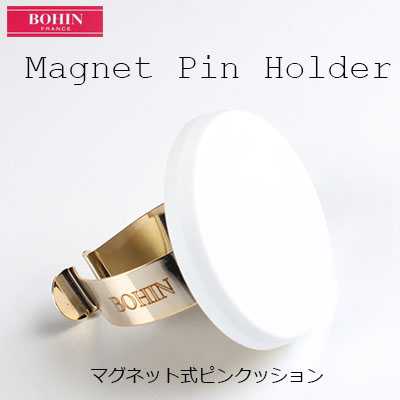
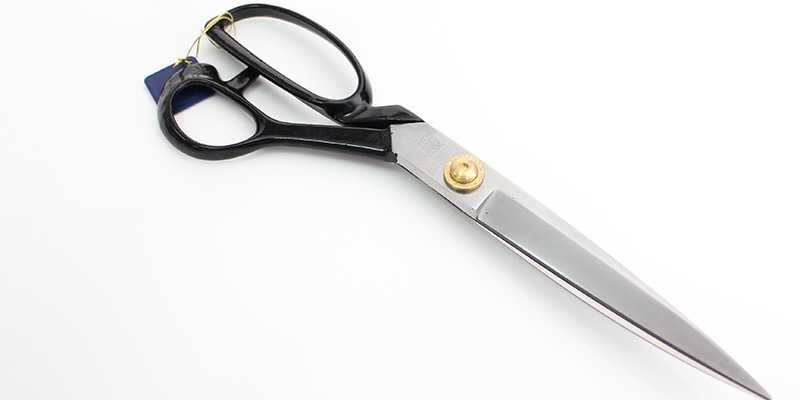
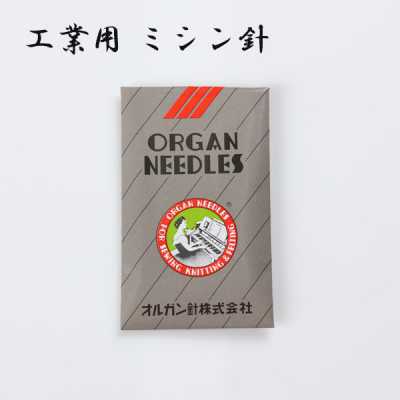
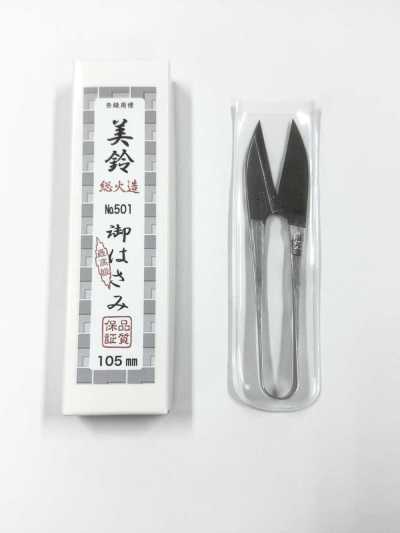
The needle point is sharp, so when pausing work, store it in a pincushion or case. In environments with small children, keep needles, thread snips, and broken needles out of reach, and count the items after finishing work.
Differences from Sashiko and Embroidery
Sashiko is a general term used for techniques that create patterns through running stitches to reinforce or decorate fabric. Kogin sashiko is a type of sashiko, but it is distinguished by counting the weave to construct patterns and by its continuous long vertical stitches.
General free embroidery expresses pictorial designs with a variety of stitches such as satin stitch and French knots. In contrast, kogin sashiko differs in that it makes use of the regularity along the weave and repeating geometric patterns.
Frequently Asked Questions
What kind of fabric is suitable for kogin sashiko?
Plain weave fabric that makes the weave easy to count and has stable spacing between warp and weft threads is suitable. In addition to dedicated fabric, cotton or linen plain weave fabric with a clearly visible weave can also be used. Thin fabrics that stretch easily, or fabrics with irregular weave, require caution because the pattern can easily become distorted.
Are kogin sashiko and sashiko the same?
Kogin sashiko is treated as a type of sashiko, but they are not synonymous. Sashiko includes various techniques depending on the region and application. Kogin sashiko is especially characterized by linking vertical stitches while counting the weave and forming geometric modoko.
Can kogin sashiko works be washed?
Whether they can be washed depends on the materials, dyeing, and construction of the base fabric and embroidery thread. If washing, turn the item inside out and place it in a laundry net to avoid friction and snagging on the embroidered surface, and avoid strong rubbing. It is also necessary to check for color fading and shrinkage.