


Logo Tape
Logo tape is a narrow tape with repeating logos, such as letters and symbols, and is an accessory material that adds decorative appeal and brand identification to clothing and bags.
Contents6 sections
Definition and Overview
Logo tape is a narrow material with a brand name, letters, symbols, shapes, and other designs repeated on the tape base. It is sewn onto side seams, sleeves, pant side stripes, handles, and similar areas, and used as a design accent or for identification.
Not only woven-in logos, but also logos added by printing or transfer are called logo tape. For this reason, when ordering, it is important to confirm the logo expression method, material, construction, thickness, and other details.
Materials and Structure
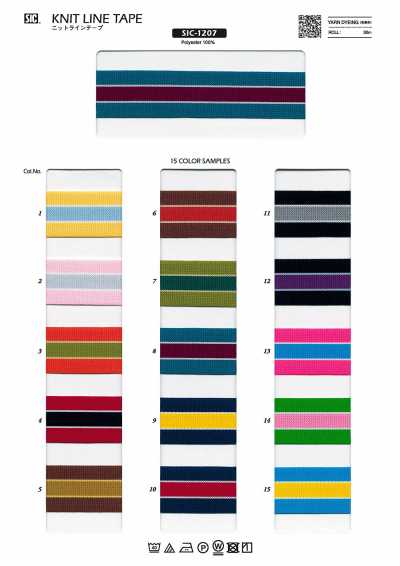
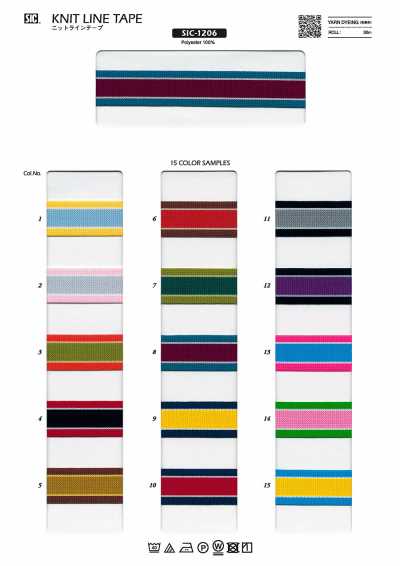
Materials include polyester, nylon, cotton, rayon, and others, and their texture, strength, luster, and changes after washing vary depending on the application. There are also knit tapes with stretch, and specifications that use rubber yarn.
Flat tapes are often woven, and there is a method of weaving the logo into a base structure such as plain weave, twill weave, or grosgrain-style fabric using Jacquard. Specifications that add the logo later by printing are well suited to detailed patterns and multicolor expression, but durability against friction and washing should be checked.
Logo may also be expressed on cord-like materials with a braided structure, but general logo tape has a flat shape. Since round cords and similar items are often specified by diameter or thickness rather than width, they should be checked separately from flat tape.
Width and Specification Check
The size of flat logo tape is usually indicated by the finished width. Since the visible width after sewing, the total width including the selvage, and the repeat length of one logo pattern all affect specification decisions, each should be clearly stated in the specification sheet.
With continuous patterns, the appearance of the logo changes depending on the cutting position. In prominent areas such as left and right side stripes or the center front, specify the logo direction, starting position, and whether pattern matching is required, and allow for cutting loss in the required yardage.
- Confirm the width by the finished dimension of the entire tape.
- Confirm the top-to-bottom orientation, left-right direction, and whether there is a front and back.
- Confirm the logo pattern repeat and the cutting position.
- Set the visible width by taking into account the portion hidden in the seam allowance.
Main Uses and How to Choose
It is used in sportswear, casual wear, uniforms, bags, hats, and similar items for switching lines, sleeves, side seams, hems, handles, and internal reinforcement with decoration. When used as a side stripe, the direction of the logo relative to the product's vertical direction should also be considered.
When selecting it, check not only the design but also the thickness, stiffness, and stretch difference from the fabric to be sewn. If a stiff tape is attached to a thin fabric, puckering or waviness may occur, and for stretchy knit fabrics, consideration must be given to the tape's stretch and sewing conditions.
Handling and Differences from Similar Terms
During washing, both the tape itself and the logo expression may be affected by shrinkage, fading, friction, and cracking. Before mass production, perform a washing test with the base fabric sewn in place and check for puckering due to shrinkage differences and fraying at the edges.
Jacquard ribbon refers to ribbon with a pattern woven in by Jacquard, while logo tape refers broadly to tape with a logo. A woven label is a small label attached mainly for product information or brand identification, and its use differs from logo tape, which is used continuously for decoration.
- If the cut edge frays easily, consider heat cutting, folding in, or edge finishing.
- For heat-sensitive materials or prints, check the iron temperature and whether a pressing cloth is needed.
- When sewing to stretch fabrics, sew without pulling the tape.
Frequently Asked Questions
Should logo tape be woven or printed?
Weaving is a method that builds the logo into the tape itself, and is suitable for expressing a sense of depth and texture. Printing is a method that is better suited to fine letters and multicolor designs. In addition to the desired appearance, choose based on durability against friction, washing, and heat under actual use conditions.
What should I watch out for when attaching logo tape to knit fabric?
Because knit fabric stretches, if a non-stretch tape is sewn on while being pulled tightly, the stitches may break or the fabric may pucker during wear. Check the stretch difference between the tape and fabric, the sewing thread, and the stretch of the seams, and choose a stretchable tape if necessary.





