Loopwheel Knitting
Loopwheel knitting is a circular knitting method that uses a loopwheel knitting machine to knit tubular fabric slowly without applying strong tension to the yarn.
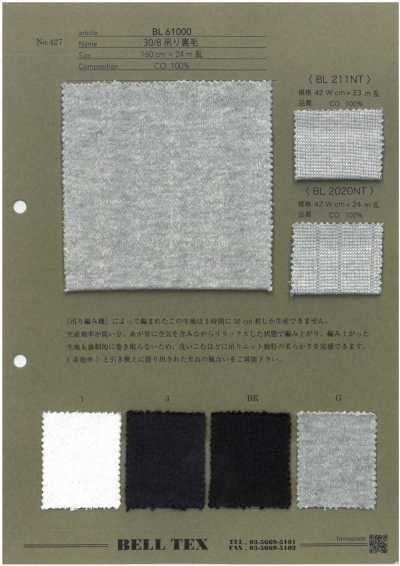
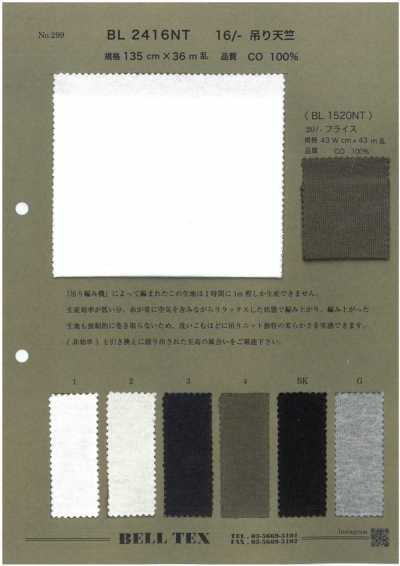
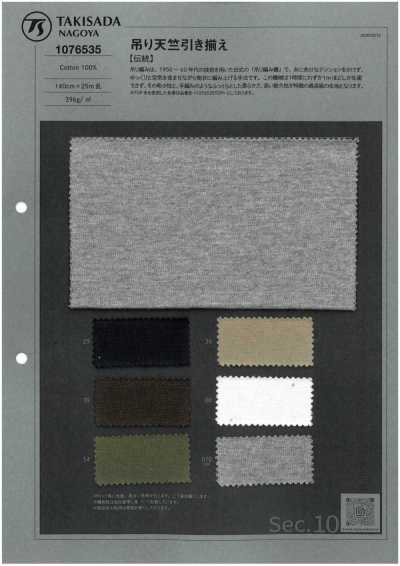
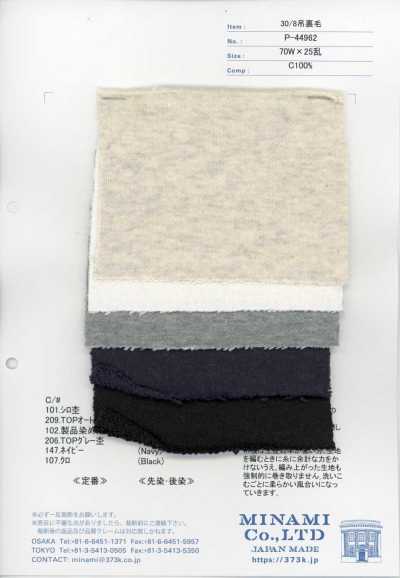
Contents6 sections
Definition and Overview
Loopwheel knitting is a circular knitting method that uses an old-style loopwheel knitting machine. It is named for the structure in which the knitted fabric hangs down from the top of the knitting machine, and it is characterized by knitting slowly without applying excessive tension to the yarn.
In many cases, the fabric is knitted into a tubular shape with no side seams. However, loopwheel knitting is a term related to the knitting method and machine, not a material name or knit structure name, and it is treated separately from structures such as jersey and French terry.
Texture and Appearance Characteristics
Because it is knitted while minimizing stress on the yarn, the fabric tends to have a soft, airy, voluminous feel and natural elasticity. It is suited to uses that take advantage of a somewhat rustic yet rich texture, rather than a hard, tightly packed, uniform surface.
On the other hand, the texture, thickness, density, and stretch vary greatly depending on the type of yarn, yarn count, stitch density, structure, and finishing process. Being loopwheel knitted alone does not allow performance such as absorbency or heat retention to be judged uniformly.
Main Applications
In cotton-based jersey, it is used for T-shirts, cut-and-sew tops, and underwear. Loopwheel French terry is used for sweatshirts, hoodies, sweatpants, and other casual wear with a voluminous feel.
Depending on the fabric thickness and structure, the intended season varies from spring and summer to autumn and winter. Check the tubular fabric width, fabric weight, and finished dimensions, and consider at the planning stage whether it suits the required yardage and sewing specifications for the design.
- Lightweight jersey is used for T-shirts and cut-and-sew tops.
- French terry is used for sweatshirts and pants.
- For specifications that eliminate side seams, confirm the relationship between the tube dimensions and the pattern.
Selection and Handling Notes
When selecting, check not only the loopwheel knitting label but also the blend ratio, structure, fabric weight, stitch density, fabric width, and finishing method. Especially with tubular knitting, it is important to consider in advance the fit with the body width, whether to include side seams, and the grain direction at cutting.
Knits containing natural fibers such as cotton may shrink, twist, or skew during washing or drying. Before mass production, perform water soaking or washing tests, and confirm the pattern settings reflecting the shrinkage rate as well as the product washing instructions.
In sewing, choose a specification that allows the seams to follow the stretch of the fabric. If differential feed, presser foot pressure, or thread tension is not matched, seam stretching, waviness, or puckering may occur, so perform a trial stitch before sewing.
Differences from Similar Terms
Circular knitting refers to the general method of making tubular fabric, while loopwheel knitting is a method that uses a loopwheel knitting machine within that category. Not all circular knitting is loopwheel knitting.
Jersey, French terry, and circular rib are knit structures and types of knitted fabric. For example, jersey or French terry can be knitted on a loopwheel knitting machine, but loopwheel knitting is not the same category of term as jersey or French terry.
Frequently Asked Questions
What is the difference between loopwheel knitting and regular circular knitting?
Loopwheel knitting is a method that uses a loopwheel knitting machine and knits relatively slowly while reducing tension on the yarn. Regular circular knitting refers to knitted fabrics made on circular knitting machines in general, including those knitted on modern high-speed machines. The texture varies not only by the knitting machine but also by the yarn, stitch density, structure, and finishing.
Does loopwheel knitted fabric shrink when washed?
The degree of shrinkage varies depending on the fiber type, knitting method, dyeing and finishing, and drying method, but knits containing cotton may shrink or skew after washing. Perform washing tests and confirm shrinkage at the fabric stage, and if necessary consider water soaking and reflecting shrinkage in the pattern.
What is loopwheel French terry?
Loopwheel French terry refers to French terry fabric knitted on a loopwheel knitting machine. French terry is a knit fabric with looped yarn on the reverse side, and the surface structure, thickness, and blend ratio vary. Loopwheel knitting indicates the production method and French terry indicates the structure, so they are confirmed as separate pieces of information on labels.