Mikawa Cotton
Mikawa cotton is the name for the production area and product range of cotton textiles passed down mainly in the Mikawa region of Aichi Prefecture, and it is used for making a wide variety of fabrics, from heavy to light.
Contents6 sections
Definition and Production Area
Mikawa cotton is a general term for cotton textiles that developed in the Mikawa region, which corresponds to the eastern part of present-day Aichi Prefecture. It is not the name of a specific weave structure or a single variety, but is used as a production-area name referring to textile production rooted in the region and its product range.
It does not refer to the production area of the raw cotton. It may indicate that the fabric was woven in Mikawa or that local businesses were involved in the process, but the scope of use for the name must be confirmed with each trading partner.
History and Characteristics of Making
In the Mikawa region, weaving, dyeing, finishing, and other technologies have been cultivated on the foundation of cotton textile production. Because it has long served a wide range of uses, not only for clothing but also for household goods, it is characterized by making that adjusts yarn usage, density, weave structure, and finishing according to the intended application.
The name Mikawa cotton alone does not determine fabric thickness, blend ratio, texture, or function. Even fabrics derived from the same region can differ greatly in appearance and performance depending on differences in weave structure and processing, such as plain weave, twill weave, and double weave.
Typical Fabrics and Uses
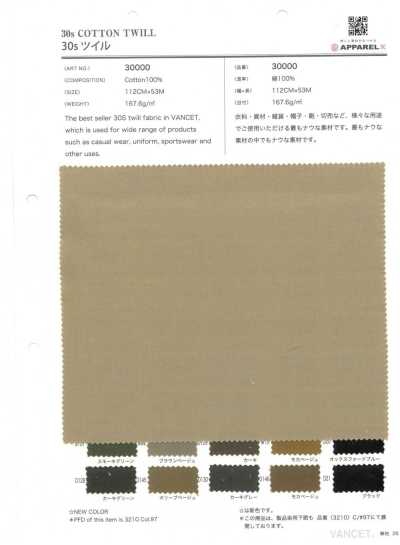
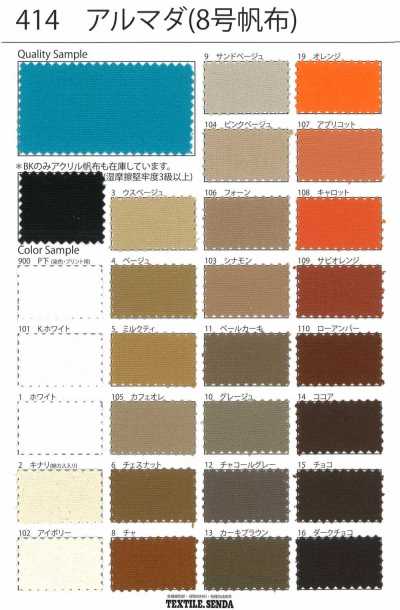
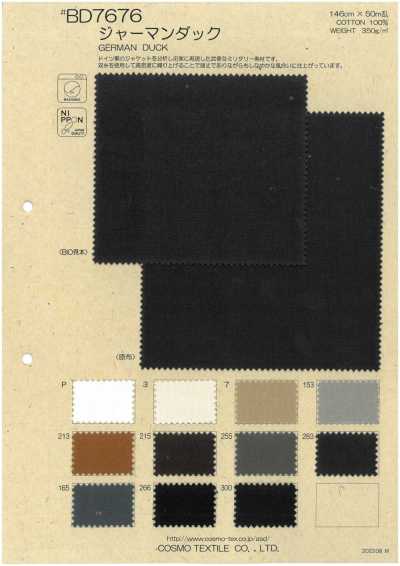
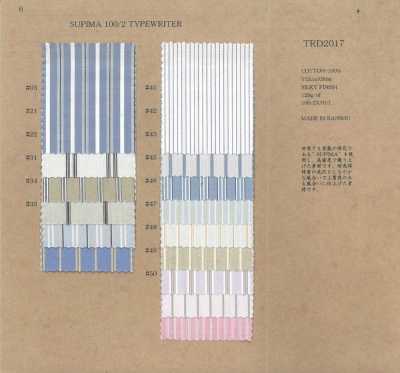
Mikawa cotton includes fabrics with a simple look based on plain weave, yarn-dyed stripes and checks, and textiles given thickness or a textured surface. The range of designs extends from items that make use of a firm structure to those aiming for a softer finish.
It is used for shirts, dresses, pants, and outer layers, as well as bags and miscellaneous goods for daily use. When selecting it as apparel fabric, do not judge only by the use category; check fabric weight, width, sheerness, drape, and post-wash changes with samples.
- Casual shirts and blouses
- Pants, skirts, and dresses
- Jackets and light apparel
- Apparel accessories such as bags and pouches
- Textiles for bedding and household goods
Points to Check When Procuring
When using a production-area name for planning or labeling, confirm with the supplier which processes were carried out in the Mikawa region. This is because whether the fabric is woven only there, or whether dyeing and finishing are also included, changes what can be stated and how it should be organized with country-of-origin labeling.
For ongoing production, confirm color variation and texture differences by roll, lot conditions, stock availability, and the lead time needed for additional production in advance. Because fabrics made mainly from natural fibers may change in shrinkage and hue depending on processing and lot, sewing and washing tests should be performed with a sample roll before mass production.
- The basis for the production-area labeling and the processes carried out in the region
- Blend ratio, weave structure, fabric weight, width, and finishing method
- Minimum lot, roll length, stock response, and additional production conditions
- Lot differences in color, texture, and shrinkage
- Lead time for mass production and prior confirmation using a sample roll
Differences from Similar Terms
Mikawa cotton is a term for a production area and is not the name of the cotton itself or of a weave structure. Cotton indicates the fiber material, while plain weave and twill weave indicate how the warp and weft threads intersect. These elements are combined to define the fabric specification in detail.
Chita cotton and Matsusaka cotton are also names for cotton textiles that carry regional names, but their production areas are different. Rather than comparing quality or design solely by the production-area name, it is important to check the individual fabric specifications, processing details, and supply conditions.
Frequently Asked Questions
Is Mikawa cotton a 100% cotton fabric?
Mikawa cotton is a production-area term and is not a material label guaranteeing 100% cotton. Even though many examples are cotton-based, blends with other fibers and processing suited to the intended use may also exist. When procuring, always confirm the blend ratio and information for care tagging.
Can Mikawa cotton be written in product descriptions or on hang tags?
Whether it can be written depends on confirming the supplier's basis for the production-area claim and the processes actually carried out in the Mikawa region. Because Mikawa cotton itself is not a legal label indicating material composition or country of origin, it should be handled separately from blend ratio and country-of-origin labeling.
What should be noted when continuously sourcing Mikawa cotton for mass production?
Confirm whether it is stock fabric or custom production, the minimum lot, lead time for additional orders, and the conditions for reproducing the same color and texture. For products where lot variation must be minimized, consider securing the required quantity for mass production all at once, and confirm the condition after sewing and after washing using a sample roll.