Mini French Terry
Mini French terry is a lightweight, easy-to-handle circular knit fabric with a jersey knit surface and shorter, smaller loops on the back than regular French terry.
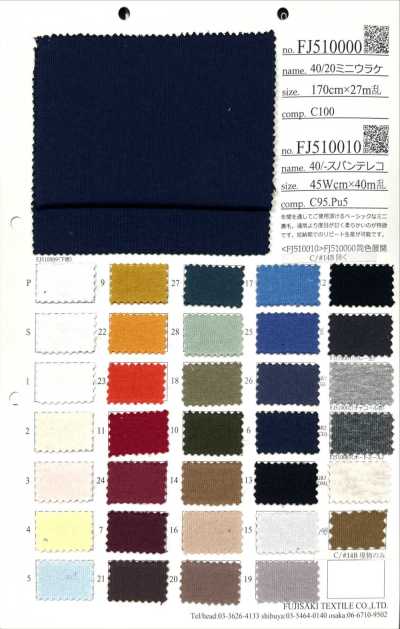
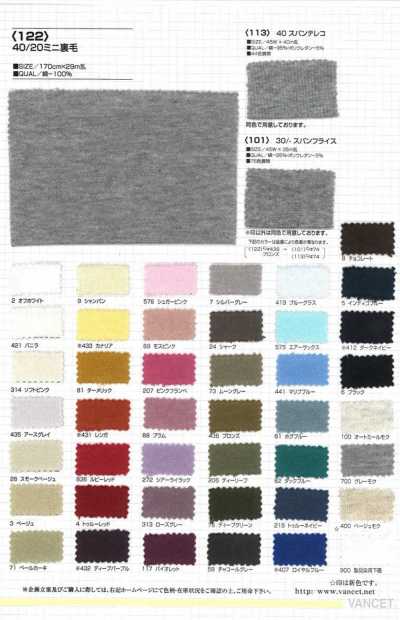
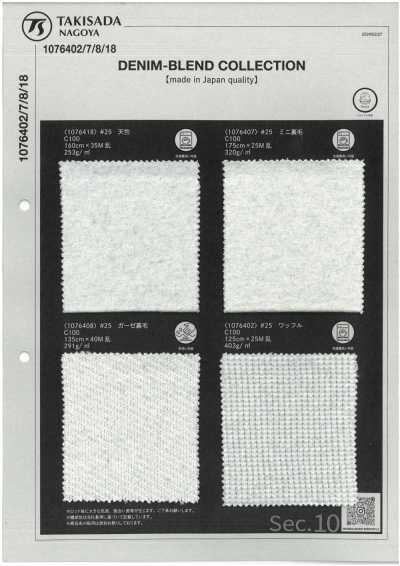
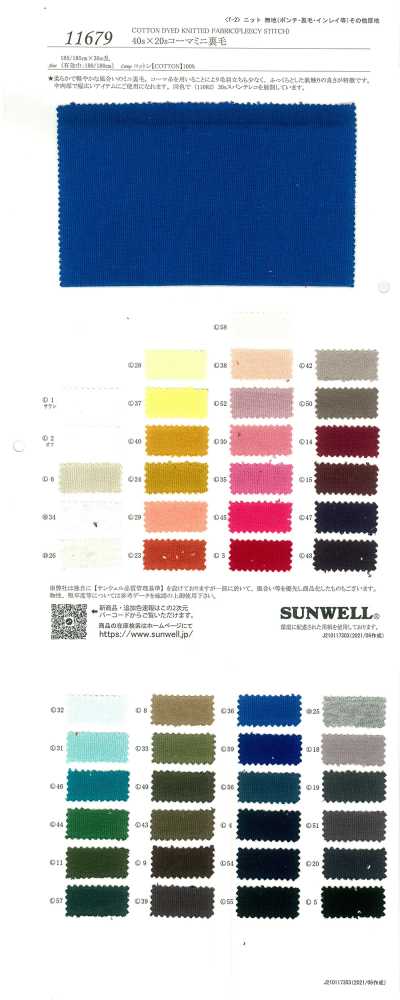
Contents6 sections
Definition and Overview
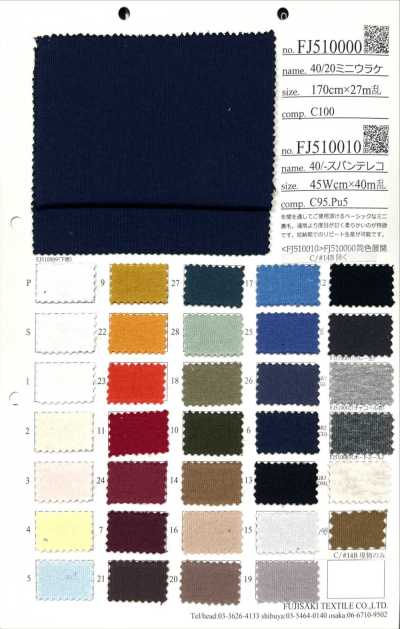
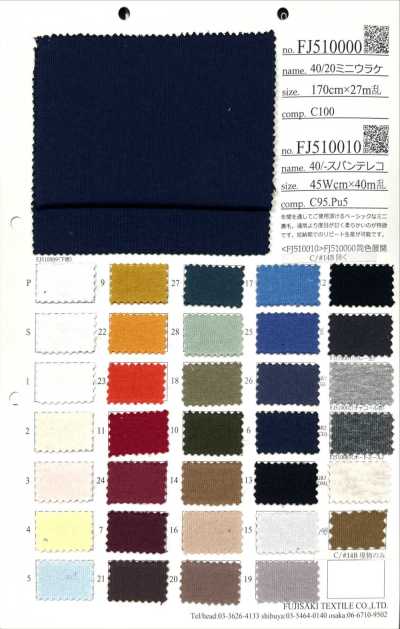
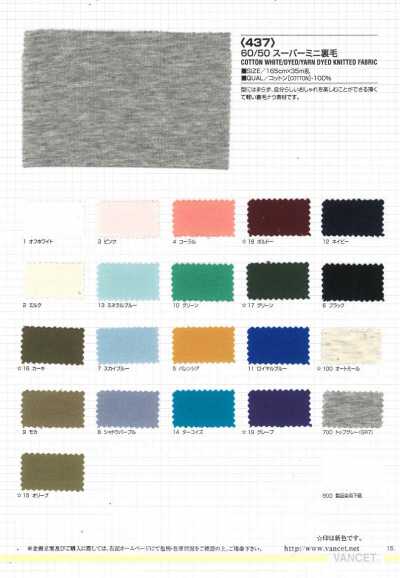
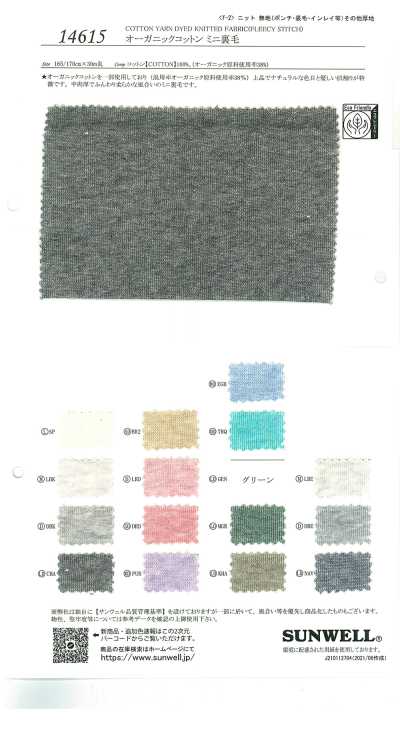
Mini French terry is a type of French terry knit with looped yarn on the back side. Compared with regular French terry, the loops on the reverse side are finer and less bulky. It is not a material name, but a term that mainly describes the knit structure and the appearance of the back side.
There is no unified standard for fabric thickness, fabric weight, or loop size. Even with the same Mini French terry name, the fineness, firmness, and softness vary depending on yarn thickness, knitting density, blend ratio, and finishing.
Features
The surface has a relatively smooth jersey-like appearance, while the back has fine loops. It is lighter than regular French terry, and because it is easier to achieve a soft loft without excessive thickness, it gives a casual cut-and-sew look.
Because the back is not brushed to create fuzz like brushed French terry, its loft and warmth are more modest than brushed fabrics. Skin feel, absorbency, quick-drying performance, and stretch depend on the material composition, such as cotton or polyester, and on the knitting design.
Main Applications and Seasons
It is used for sweatshirts, hoodies, cardigans, pullovers, dresses, and sets. Even for designs that would feel heavy in regular French terry, this fabric makes it easier to create a relatively clean silhouette.
Lighter types are also used for spring and summer outer layers and indoor wear, while medium-weight types are used year-round. For cold-weather insulation, it may not be warm enough compared with brushed French terry or heavyweight French terry, so selection should match the wearing environment.
Selection and Handling Notes
Depending on the application, check the fabric weight, fabric width, thickness, compactness of the knit, condition of the back loops, and blend ratio. When matching rib knit for trims, compare not only color but also thickness, stretch, recovery, and shrinkage after washing with the main fabric.
Knit fabrics may change dimensions after washing or steaming. Before mass production, prewash or perform a washing test, check vertical and horizontal shrinkage, skew, and color bleeding, and reflect the results in the pattern and fabric consumption. Pay attention to color transfer caused by friction in dark colors.
Before cutting, relax the roll to remove set curl and check the grain and the face and back sides. During sewing, adjust feed amount, thread tension, and needle type to the fabric to prevent stretching and waviness. For areas that stretch easily, such as shoulder seams and neckline areas, use stay tape if necessary.
Differences from Similar Terms
French terry often refers broadly to knit fabrics with loops on the back side, while Mini French terry is a term for a type with smaller loops and relatively light weight. However, the distinction varies by seller and region of production, so it is important not to judge thickness from the name alone.
Brushed French terry is fabric in which the back loops of French terry or similar fabrics have been brushed to create fuzz. Mini French terry usually has visible loops, and differs in that it tends to have a neater appearance and a lighter wearing feel than brushed French terry. Jersey is the basic knit structure without back loops.
Frequently Asked Questions
Can Mini French terry be used in summer?
If it is a thin, lightweight Mini French terry, it is used for spring and summer sweatshirts, outer layers, and dresses. However, because the feeling of heat varies depending on knitting density and blend ratio, choose by checking the fabric weight, thickness, and amount of loops on the back side with the actual fabric.
Which is warmer, Mini French terry or brushed French terry?
In many cases, brushed French terry, with a brushed fuzzy back, traps air more easily and feels warmer. Mini French terry has smaller back loops, so it is a fabric that more easily keeps thickness and warmth modest. For the final decision, also check the fabric thickness and material composition.