Ojiya Chijimi
Ojiya Chijimi is a summer fabric inherited mainly in the Ojiya region of Niigata Prefecture, made primarily from ramie and characterized by strong-twist yarn and a textured shibo surface.
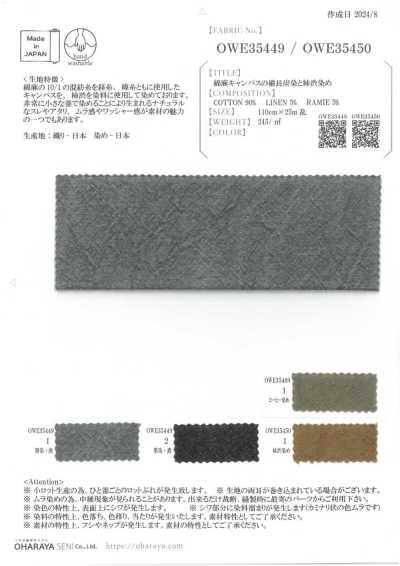
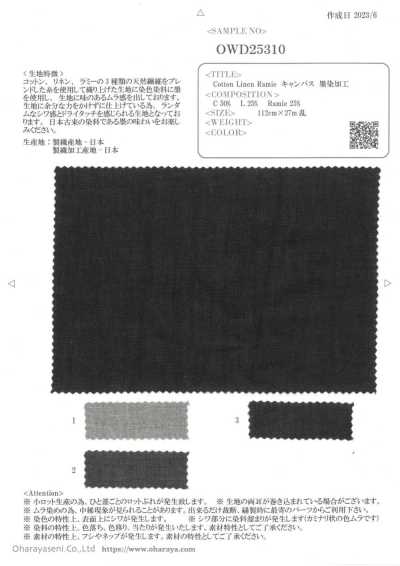
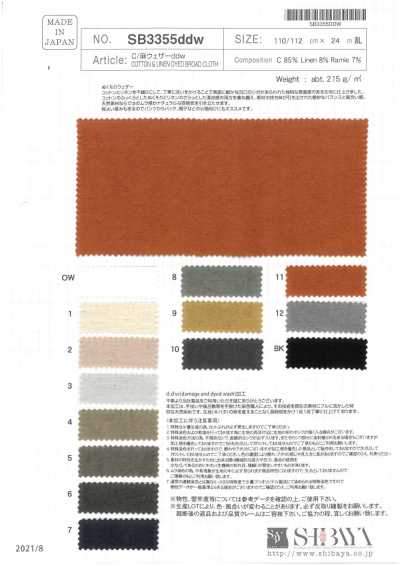

Contents5 sections
Definition and Place of Origin
Ojiya Chijimi is a linen fabric that developed around Ojiya City in Niigata Prefecture. It is mainly made with ramie and is characterized by the fine uneven texture, or shibo, created by weft yarns that have been strongly twisted. It is based on the textile techniques fostered in the Echigo region.
“Ojiya Chijimi” is not a material name or a weave structure name, but the name of a fabric tied to its place of origin and production method. Therefore, even a fabric with similar shibo is not necessarily Ojiya Chijimi if the place of origin or production method differs. When purchasing, it is important to confirm the basis for the labeling.
Technique and Texture
In the representative production method, strong-twist yarn is used for the weft yarn, and after weaving, moisture is applied to shrink the cloth. The force of the yarn trying to return from its twist creates shibo on the surface, and because the area touching the skin is reduced, it feels smooth against the skin.
Ramie is a type of linen fiber that is easy to give firmness and a cool feel. With Ojiya Chijimi, the sheerness, stiffness, degree of shibo, and the way dyeing and patterns appear may differ from roll to roll. The neps and texture unique to natural fibers are also factors to check during design.
- A linen fabric made primarily from ramie.
- Strong-twist yarn is yarn that has been twisted more tightly than usual.
- Shibo is the fine uneven texture that appears on the fabric surface.
- It takes advantage of moisture absorption and smoothness against the skin, and is used for clothing in hot seasons.
Typical Applications
Traditionally, it has been used as fabric for summer kimono and light woven fabric for midsummer wear. Taking advantage of the cool look and dry feel created by the shibo, it is now also used for light apparel such as shirts, blouses, dresses, and haori-style outerwear.
Even when applied beyond apparel, the shadows of the shibo and the linen-like texture become attractive design features. On the other hand, consider the fabric's sheerness, changes caused by friction, and dimensional changes after sewing, and review lining, interfacing, and seam finishing according to the specifications.
Points to Check When Purchasing
When handling it as “Ojiya Chijimi,” confirm with the supplier the geographic labeling scope, fiber type and blend ratio, and the weaving and processing details. Even for fabrics related to the Ojiya area, the raw materials, processes, and labeling treatment differ by product, so it is important not to judge the specifications by the name alone.
Fabrics that include traditional production methods may have restrictions on the quantity and timing that can be produced. At the initial planning stage, confirm the minimum lot, roll length, color and shibo lot variation, whether sample rolls are available, and mass-production lead time, and make the ordering plan including whether additional production is possible.
- Basis for labeling the place of origin and name
- Blend ratio of ramie and other fibers, and finishing method
- Fabric width, fabric weight, sheerness, and the direction and strength of the shibo
- Minimum lot, roll length, and lead time for additional production
- Color differences, texture differences, and dimensional changes by lot
Frequently Asked Questions
What is the difference between Ojiya Chijimi and general chijimi fabric?
Chijimi is a name that can broadly refer to fabrics with shibo created by strong-twist yarn or processing. Ojiya Chijimi is a name handed down as a linen fabric from the Ojiya area of Niigata Prefecture, and it is tied to its place of origin, primary material, and production method. It cannot be distinguished by appearance of the shibo alone, so the labeling and specifications must be checked.
When using Ojiya Chijimi in apparel products, what should be checked before sewing?
Using a sample roll, check the direction of the shibo, sheerness, ease of handling during cutting, and shrinkage around the seams. Because it is a fabric with texture made from natural fibers, lot differences should also be anticipated. After straightening the grain and making a test sample, it becomes easier to manage by deciding the pattern dimensions, interfacing, and seam finishing.