Omeshi
Omeshi is a silk woven fabric made with yarn-dyed, high-twist silk yarn and characterized by the fine texture created during scouring after weaving, as well as its supple firmness.


Contents6 sections
Definition and Overview
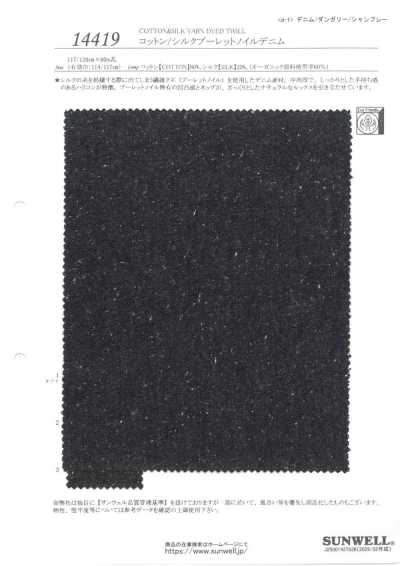
Omeshi is a yarn-dyed woven fabric made by weaving silk high-twist yarn that has been dyed beforehand. During the scouring process that removes sericin from the yarn, the difference in shrinkage caused by the strong twist appears, creating a fine textured surface.
Hand and Appearance
Its features are a smooth touch from the fine texture, moderate firmness and resilience, and a subdued luster. Compared with smooth silk fabric, it feels less direct against the skin, and it is also used for unlined tailoring.
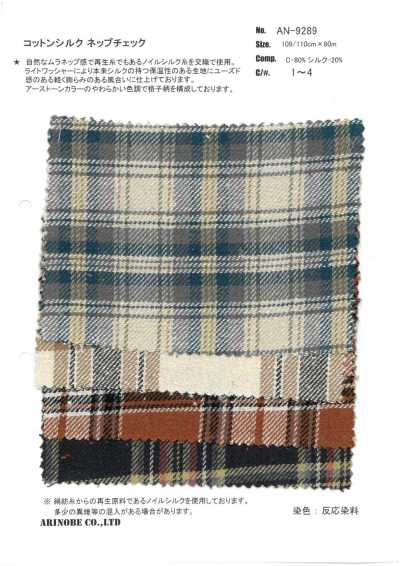
Because yarn-dyed yarn is used, even solid colors tend to have depth, and woven patterns such as stripes and checks can also be expressed. The fineness and firmness of the texture, as well as drape, vary depending on yarn twist, weave structure, density, and finishing.
Main Applications
It is known as kimono fabric, but its elegant silk character and relatively firm hand also make it suitable for haori and obi accessories in Japanese clothing, as well as blouses, dresses, skirts, and jackets.
The suitable season changes depending on the fabric thickness and sheerness. Lightweight fabrics are suitable for spring and summer garments and layering, while denser fabrics with higher fabric weight are suitable for formal and dress applications, including autumn and winter.
Selection and Care Notes
Depending on the application, check the degree of texture, sheerness, firmness, drape, and pattern direction with the actual material. In garments, checking the shrinkage rate with the required amount of fabric before cutting and aligning the grain line before cutting helps manage finished dimensions.
Silk Omeshi may change in hand and dimensions with moisture, and water stains are also a concern. Whether home washing is possible depends on the blend ratio and finishing, so always follow the fabric specifications and care label. In general, professional cleaning is preferred.
In sewing, use a fine needle and fine sewing thread suited to the fabric, and check thread tension with a test seam. Because of the surface unevenness from the high-twist yarn and the delicacy of silk, it is important to use a pressing cloth and check the temperature from low settings to avoid seam puckering, needle holes, and press marks from the iron.
Differences from Similar Terms
Chirimen generally refers to a broad category of silk fabrics with texture created by strongly twisted weft yarn. Omeshi is closely related because it also has texture, but it is distinguished by being treated as a fabric made with yarn-dyed high-twist yarn.
Crepe is a broad term for fabrics that show crinkles or texture through twist or finishing. Omeshi is sometimes regarded as one type of crepe, but it is a traditional term that includes material, dyeing sequence, and manufacturing method.
Frequently Asked Questions
Can Omeshi be washed at home?
Many Omeshi fabrics are mainly silk, and water washing may cause shrinkage, changes in texture and luster, or water stains. Whether home washing is possible depends on the material and finishing, so check the care label and instructions from the fabric supplier. If there is no label, testing on an inconspicuous area or consulting a specialty shop is safer.
What is the difference between Omeshi and chirimen?
Both are silk fabrics characterized by texture created from high-twist yarn, but chirimen is a general term for textured fabrics. Omeshi is distinguished as a fabric characterized by the use of yarn-dyed high-twist yarn. However, depending on the region or trade usage, the two terms may overlap.
What should you be careful about when sewing Omeshi?
Before cutting, check the shrinkage rate and grain line, and match the needle, thread, and thread tension with a test seam. To prevent seam puckering and needle holes, choose a fine needle and appropriate thread, and avoid excessive presser foot pressure. When pressing, use a pressing cloth and check the effects of temperature and steam on an inconspicuous area.