Core White
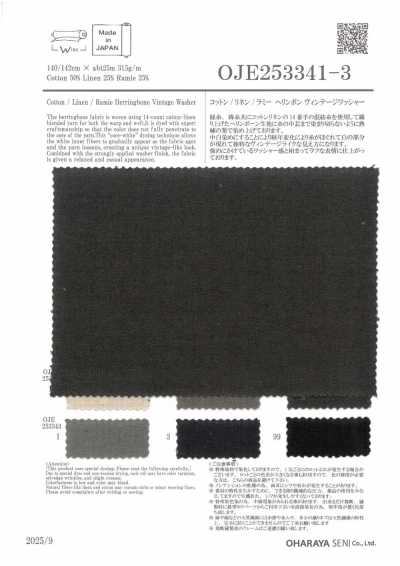
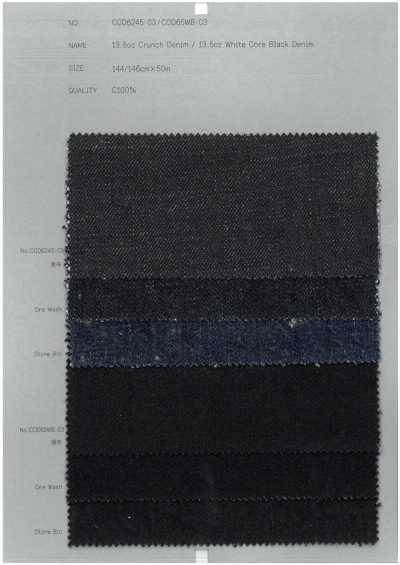
Core White is a dyeing state in which the surface of the yarn is mainly dyed, leaving a white undyed core, so that faded tones and fading appear more easily through wear and washing.
Contents6 sections
Definition and Overview
Core White refers to a state in which dye does not penetrate to the center of the yarn, leaving the core white while mainly coloring the outside. It is a representative effect achieved by ring dyeing and is also called middle white. The contrast between the dark outer layer and the white core affects how aging appears over time.
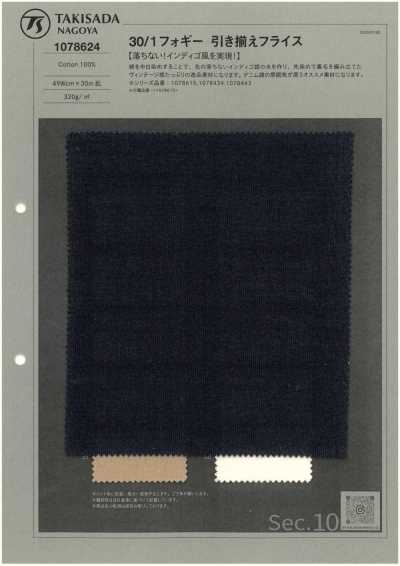
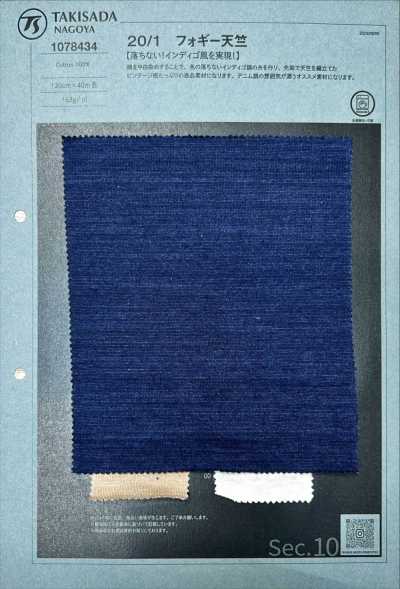
Core White is not the name of a weave or knit structure, but a term that mainly describes how the yarn is dyed. It is often used for cotton yarn dyed in an indigo tone or dark color, and is used not only for woven fabrics but also for knits such as jersey and French terry.
Appearance and Handfeel Characteristics
Because the surface is colored, when the color on the outer layer fades through wear, washing, friction, or finishing, the white core becomes visible. This light-and-dark contrast creates distinct fading on rubbed areas and makes it easier to express a vintage look.
The speed of color change and the contrast vary depending on the size of the core white area and the dye penetration of the outer layer. Some designs are intended to achieve character while controlling fading, so the presence of core white does not always mean the item will fade significantly.
- On dark colors, bright fading on worn areas is easier to see.
- The appearance changes more easily with repeated washing and wear.
- This is a characteristic of how the yarn is dyed, and does not directly indicate the fabric thickness or stretch.
Main Applications
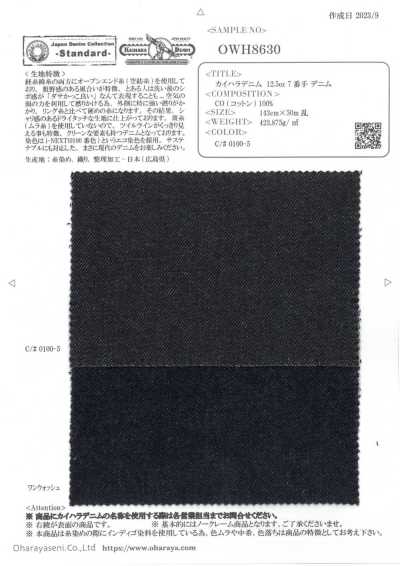
Core white yarn is used in denim, pants, jackets, shirts, cut-and-sew items, sweatwear, and similar products that incorporate fading and a worn-in feel as design elements. It is especially suitable for casual clothing and workwear-inspired planning when the look after wear is also part of the design.
Although it is not a dyeing specification limited to a particular season, heavy denim and French terry tend to show raised fading more easily, while jersey and lightweight fabrics for spring and summer can create a washed, relaxed look. Depending on the application, consider the fabric structure, fabric weight, and color tone together.
Selection and Handling Notes
During planning, check not only the degree of core white but also wash fastness, rub fastness, and changes in hue after washing using fabric swatches and wash testing. Dark-colored items may transfer color by friction even when dry or wet, so care is needed when combining them with light-colored accessories or layering pieces.
Shrinkage is affected not by core white itself, but by fiber type, structure, knit density, finishing, and washing conditions. Before cutting, let the roll rest sufficiently, water-wash it if necessary, and confirm dimensional change before mass production.
In sewing, seam allowances and areas around seams may look white after washing, or the fading may become more pronounced. It is important to make prototypes while considering the color of the sewing thread, stitch width, and how seam allowances are pressed, and to judge the specification based on the appearance after washing.
Differences from Similar Terms
Indigo dyeing is a term related to dye and color tone, whereas core white is a term related to how the yarn is dyed across its cross-section. Indigo-toned yarn may be made with core white, but the two are not the same. Sulfur dyeing is also a category of dye and dyeing method, and is handled separately from whether or not core white is present.
Rope dyeing is one of the processes used mainly to dye denim warp yarns continuously. It may be used in designs that leave a core white area by layering dye on the surface, but the process name rope dyeing itself does not mean core white.
Frequently Asked Questions
Do core white and middle white mean the same thing?
In many cases, both refer to a state in which an undyed white area remains at the center of the yarn. However, core white may emphasize the appearance or cross-sectional condition, while middle white may be used as a dyeing specification name. Please confirm the definition and the degree of the white area with each supplier.
Will fabric with core white always fade?
Yarn with core white has the characteristic that the white core becomes more visible when the outer color changes through friction or washing. However, the degree of fading varies depending on the dye, dyeing conditions, post-processing, frequency of wear, and washing method. Confirm with test results and wash samples.
What should be noted when sewing core white fabric?
After sewing or after garment washing, fading may appear at seams, seam allowance edges, and pocket openings. The color and thickness of the stitch thread, as well as the seam allowance finishing method, affect the appearance after washing, so check the appearance, shrinkage, and color transfer with a prototype made under the same conditions as mass production.