Shinshu Tsumugi
Shinshu Tsumugi is a general term for silk textiles passed down in Nagano Prefecture, and is a regional textile characterized by the rustic texture of slubbed tsumugi yarn and expressions such as stripes, checks, and kasuri that vary by area.


Contents6 sections
Definition and Production Area
Shinshu Tsumugi is a general term for tsumugi textiles handed down in Shinshu, that is, present-day Nagano Prefecture. It is sometimes used to include textiles bearing regional names such as Ueda Tsumugi, Matsumoto Tsumugi, and Iida Tsumugi, but the materials, weaving methods, and designs are not uniform.
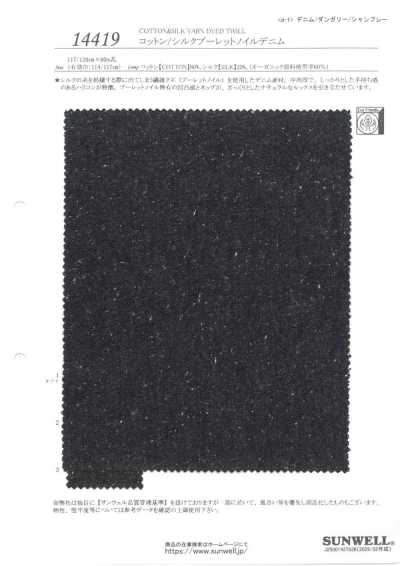
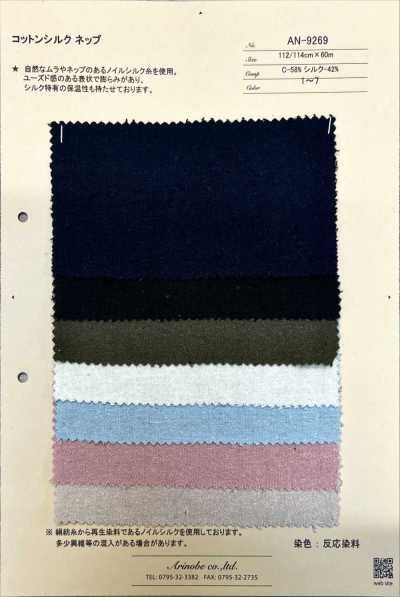
Tsumugi is generally a textile made using yarn spun from raw silk floss or silk yarn with slubs. Shinshu Tsumugi is also valued for the natural luster of silk, yarn slubs, and the character derived from hand weaving, but it is important to confirm the materials and production method for each individual item.
History and Textile Expression
Within Nagano Prefecture, production related to sericulture and silk textiles has developed in many places. Shinshu Tsumugi is a group of textiles with this background, and while preserving technical and pattern tendencies by region and workshop, it has been developed mainly as kimono fabric.
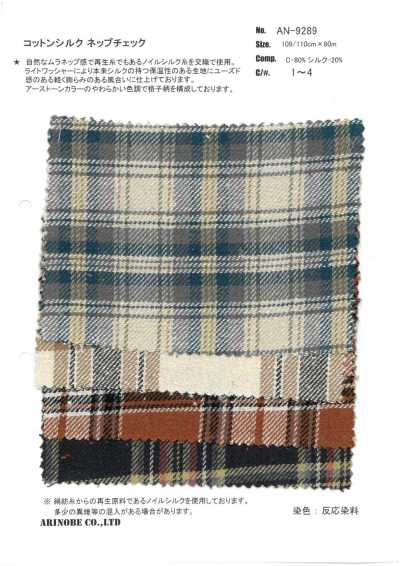
Many examples are woven using yarn dyed before weaving, with color and pattern expressed through stripes, checks, and kasuri. The finished appearance varies depending on yarn thickness, twist, dyeing, and weaving density, so even textiles from the same production area can differ in texture.
- Neat designs that make use of stripes and checks
- Kasuri expression through separate dyeing of warp or weft yarns
- Subtle luster and material feel created by the slubs of tsumugi yarn
Typical Fabric and Applications
Shinshu Tsumugi is a silk textile that has mainly been used for kimono fabric, obi, haori, and similar items. Because the firmness, drape, and thickness of the textile vary by item, when applying it to clothing, check the finished silhouette and friction during wear with a sample.
Today, it may also be handled as material for bags, accessories, and interiors in addition to apparel fabric. However, traditional kimono fabric may differ in width from ordinary wide-width apparel fabric, so pattern layout and required yardage must be considered in advance.
Points to Check When Purchasing
A production area name may be used as a broad regional designation or as a textile from a specific area. When promoting the production area in a proposal or care tag, confirm the basis for the labeling with the supplier, including the weaving workshop, weaving location, dyeing location, and whether it is hand woven or machine woven.
In textiles that include handwork or small-lot production, differences may arise in color tone, yarn slubs, and pattern appearance from roll to roll. When adopting it for mass production, it is important to share the minimum order quantity, whether continuous production is possible, roll length, delivery schedule, and lot differences for additional orders before placing the order.
- Blend ratio, type of yarn, and whether it is hand woven or machine woven
- Fabric width, roll length, fabric weight, pattern direction, and pattern repeat
- Permissible range of color difference, yarn slubs, and weaving irregularity between sample and full production
- Minimum order quantity, whether additional production is possible, and lead time for mass production and reorders
Differences from Similar Terms
Tsumugi is a general term for textiles made using silk yarn with slubs or similar materials. In contrast, Shinshu Tsumugi refers to tsumugi textiles with a production background in Nagano Prefecture. Do not determine that something is Shinshu Tsumugi based only on texture; confirm information about the production area and weaving workshop.
Ueda Tsumugi, Matsumoto Tsumugi, and Iida Tsumugi are regional names related to Shinshu Tsumugi. These are not always interchangeable as synonyms, and the scope and usage differ depending on the region, maker, and product, so judgments should be made based on individual specifications when placing orders.
Frequently Asked Questions
Do Shinshu Tsumugi and Ueda Tsumugi mean the same thing?
Ueda Tsumugi is one of the regional names related to Shinshu Tsumugi. While Shinshu Tsumugi broadly refers to tsumugi textiles in Nagano Prefecture, Ueda Tsumugi is treated as a textile associated with the Ueda area. For labeling and procurement, confirm the individual producer, weaving location, and specifications.
What should I be careful about when using Shinshu Tsumugi in apparel products?
Kimono fabric may be narrow, so confirm the fabric width and required yardage before cutting. It is also important to share with the supplier whether yarn slubs and weaving irregularity are to be treated as material characteristics, and how the acceptable inspection range should be defined. Also confirm the lead time for additional production and lot differences.