Shuttle Loom
A shuttle loom is a shuttle-type loom that makes woven fabric by moving a shuttle containing weft yarn back and forth through the warp shed.
Contents6 sections
Definition and Overview
A shuttle loom is a loom that weaves by passing a shuttle, a boat-shaped part containing weft yarn, between open warp yarns. It is also called a shuttle loom, and the term refers to a type of loom, not to the weave structure or the type of fiber itself.
It easily creates a continuous selvedge to the edge of the fabric and is used for fabrics with selvedges. Syonheru looms are sometimes treated as a type of shuttle loom, but usage and scope vary within the industry.
Texture and Appearance Characteristics
Fabrics woven on a shuttle loom may show the expression of the yarn and the unevenness of the weave more clearly, and may be described as having a plain, rustic texture. Depending on the degree of beat-up, yarn thickness and twist, material, and finishing, firmness, loft, and drape can vary greatly.
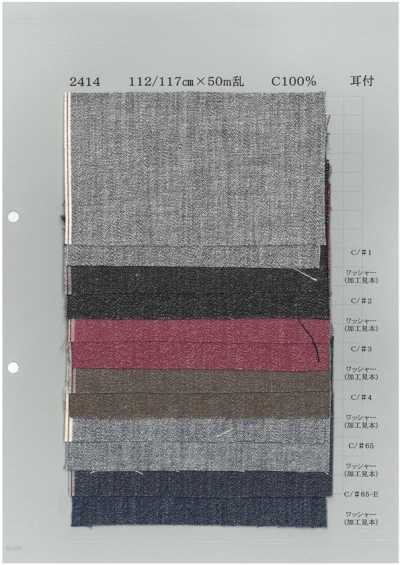
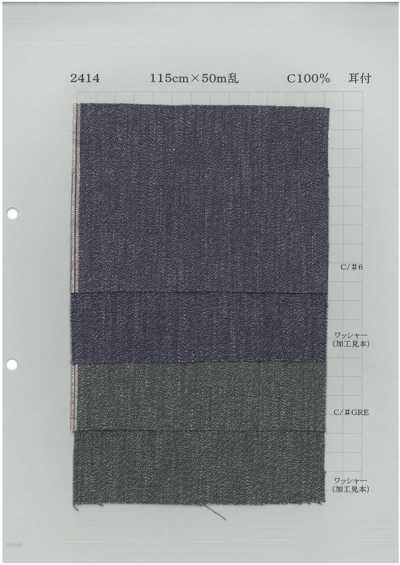
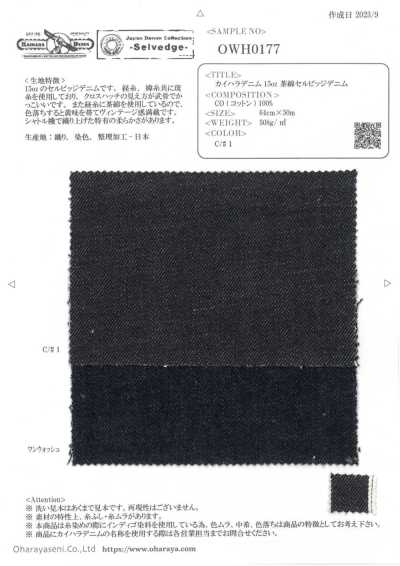
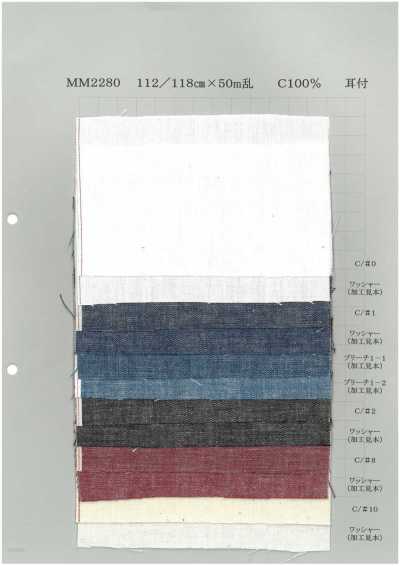
When selvedges remain on both edges of the fabric, the colored yarns at the selvedge and the weave density in the roll before cutting may become design features. However, a selvedge alone cannot be used to determine that a fabric was made on a shuttle loom.
Main Applications
Fabrics made on shuttle looms are used for garments that make use of the texture of the weave and aging over time as part of the design. They are seen in denim, dungaree, work shirts, pants, jackets, outerwear, and similar items, and applications vary from year-round to fall and winter depending on thickness and material design.
Even when made on the same shuttle loom, applications vary depending on the weave structure, such as plain weave or twill, and the material, such as cotton, linen, or wool. Therefore, item suitability and seasonality should not be determined by the loom name alone; the fabric specification and the actual sample must be checked.
Selection and Handling Notes
When selecting, in addition to the indication that it is made on a shuttle loom, check the weave structure, blend ratio, fabric weight, density, fabric width, finish, and shrinkage rate. If the selvedge is to be used as part of the product design, the usable width may differ from that of ordinary fabric, so the cuttable width and required yardage should be considered in advance.
Shrinkage, twisting, and color fading from washing are affected not by the loom but by the material, dyeing, processing, and sewing specifications. Before mass production, check differences in texture within the roll, and if necessary, carry out hot-water treatment or a test wash. In sewing, adjust the needle, thread, and stitch conditions to match the fabric for heavy or high-density materials.
- When using the selvedge in the design, check the appearance on both sides and the required cutting width.
- Taking shrinkage rate into account, align the grain before cutting.
- For dark-colored items and indigo-dyed items, consider handling in accordance with the instructions, such as washing separately.
Differences from Similar Terms
The term power loom is used as a general term for looms, including types that do not use a shuttle. The difference from a shuttle loom lies mainly in the mechanism used to insert the weft yarn. On the other hand, selvedge denim is the name for denim fabric characterized by its selvedge, not the name of the loom itself.
Plain weave and twill are weave structures that indicate how warp and weft yarns intersect. These structures can be woven on either a shuttle loom or a power loom, so shuttle loom and plain weave/twill belong to different classifications and are not directly comparable.
Frequently Asked Questions
Does fabric woven on a shuttle loom always shrink?
Not necessarily. Shrinkage varies depending on the type of fiber, the state of the yarn, density, processing such as dyeing and washing, and finishing conditions. Do not judge based only on the fact that it was made on a shuttle loom; it is important to check the shrinkage data for each fabric and the results of a test wash.
Do shuttle loom and selvedge denim mean the same thing?
No, they do not mean the same thing. A shuttle loom refers to the machine used for weaving, while selvedge denim refers to denim fabric characterized by its selvedge. Selvedge denim may be made on a shuttle loom, but the two terms belong to different categories: machine and fabric.
Is fabric made on a shuttle loom difficult to sew?
It is not uniformly difficult to sew, but thick, high-density, or highly textured fabrics may affect needle penetration and feeding. Before mass production, sew a test sample in the actual fabric, adjust the needle size, thread size, presser foot pressure, and stitch length, and check for puckering and skipped stitches.