


Sinker Pile
Sinker pile is a knit fabric made by forming looped pile on one side using a part called a sinker in circular knitting. It is a material that is easy to give a soft hand and absorbency.
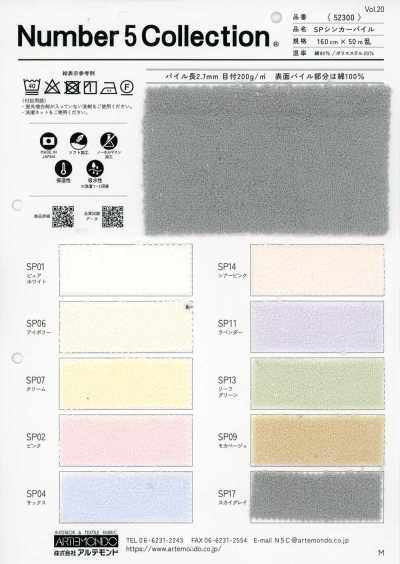
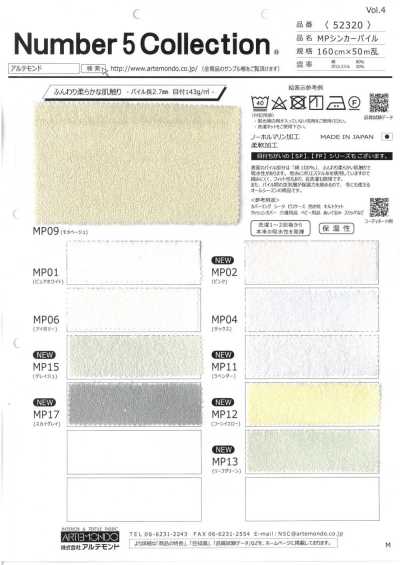
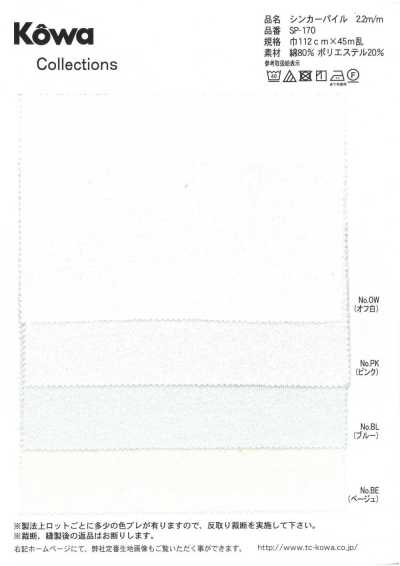
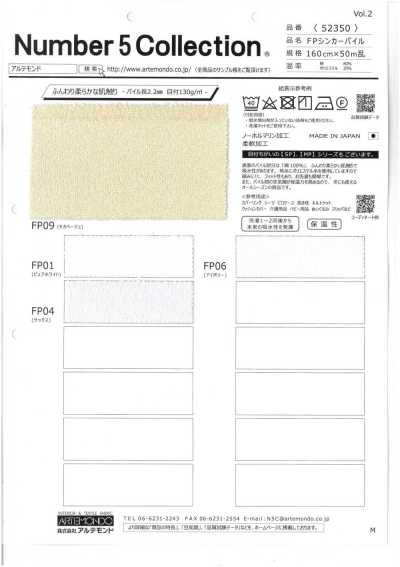
Contents6 sections
Definition and Overview
Sinker pile is a pile knit made by knitting ground and pile yarns on a circular knitting machine, with loops formed on one side. A sinker is a part of the knitting machine that holds or sinks the stitches, and this mechanism is used to form the pile.
Depending on the pile length, density, and the material of the yarn used, the hand feel ranges from thin and light to full and lofty. In general, one side has the looped surface, while the reverse side is a relatively flat ground fabric surface.
Hand Feel and Function
The looped pile easily traps air, creating a soft, raised appearance. When made with absorbent fibers such as cotton, it readily absorbs sweat and moisture, making it suitable for applications that come into contact with the skin.
However, absorbency, quick-drying performance, warmth, and stretch vary depending on the composition, fabric weight, pile amount, and finishing process. The longer and denser the pile, the more bulky it tends to be, but thickness and drying time also tend to increase.
Main Uses and Seasons
Taking advantage of its towel-like soft touch and absorbency, it is used for baby clothes, underwear, loungewear, nightwear, cut-and-sew items, and the reverse side of sweatshirts and similar garments. Some designs use the pile side on the inside to emphasize skin comfort.
Thin types are suitable for sweat-absorbing uses in spring and summer, while heavier fabric weight and longer pile are suited to applications that seek warmth in autumn and winter. Outside of apparel, it is also used for hats, accessories, and parts of bedding and interior products.
Selection and Handling Notes
When selecting, check the direction of the pile surface, loop length and density, composition, fabric weight, and stretch direction using the actual material. When used in garments, reflect the side against the skin during wear, seam allowance thickness, and differences in stretch with accessories such as rib knit in the specifications.
Because it is a knit, shrinkage and skewing may occur with washing. Before mass production, carry out washing tests and consider pattern settings and straightening the grain with the expected shrinkage rate in mind. During washing, using a laundry net and keeping it separate from hook and loop fasteners is effective to avoid snagging the loops.
During cutting and sewing, the appearance may change depending on the nap and loop direction. It is important to align the cutting direction and use differential feed and needles for knits to reduce stretching, skipped stitches, and seam slippage.
Differences from Similar Terms
Pile is a general term for a surface structure with loops or fuzz, and is used for both woven fabrics and knits. Sinker pile refers to one type of loop pile made by circular knitting.
French terry is a term often used for a knit intended for sweatshirts, with jersey on the face and loop yarn on the reverse side. Because it can overlap with sinker pile in structure and applications, check the face and reverse sides, loop amount, composition, and fabric weight in transactions. Velour generally has a cut pile appearance, unlike sinker pile, which shows loops.
Frequently Asked Questions
Are sinker pile and French terry the same?
Since both use loop structures in circular knitting, they may be treated as having similar meanings. However, French terry often refers to reverse-side loops for sweatshirt uses, while sinker pile is a name that focuses on the pile-forming method. Check the face and reverse sides, loop amount, and fabric weight in the specification sheet or actual material.
Does sinker pile shrink when washed?
The degree of shrinkage varies depending on the fiber type, knitting density, dyeing and finishing, and drying method. Especially in knits with a cotton main component, dimensional changes may occur after washing. It is important to test under the washing conditions assumed before production and reflect the results in the pattern after confirming the shrinkage rate.
What should be noted when sewing sinker pile?
Choose needles and sewing conditions that do not damage the loops, and consider differential feed and stretch-compatible sewing specifications to match the stretch of the ground fabric. For fabrics with a pile direction, if the cutting direction is not unified, the color tone and surface appearance may look uneven.





