Tensan
Tensan is a wild silk obtained from the cocoons spun by Tensan, a species of tussah moth. It is a material characterized by a natural luster with a pale green tint and supple resilience.



Contents6 sections
Definition and Overview
Tensan is a silk material made from the cocoons of Tensan silkworms, which feed mainly on oak leaves, unlike ordinary silk obtained from cocoons of domestic silkworms that feed on mulberry leaves. Because it comes from a wild silkworm, it is classified as a type of wild silk.
“Yamamayu” and “mountain cocoon” are sometimes used to refer to Tensan, but they can also refer more broadly to wild silkworms and their cocoons. In material labels and fabric specifications, it is important to confirm the species of silkworm used as the raw material.
Characteristics
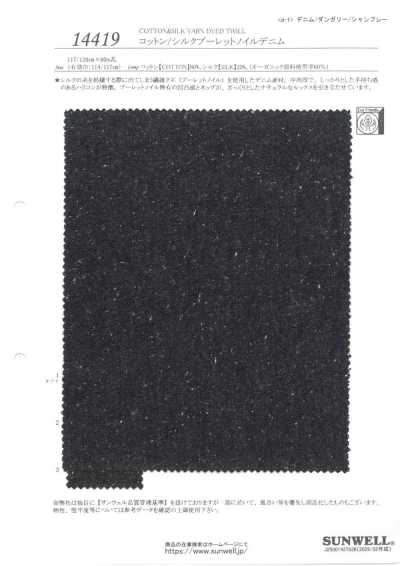
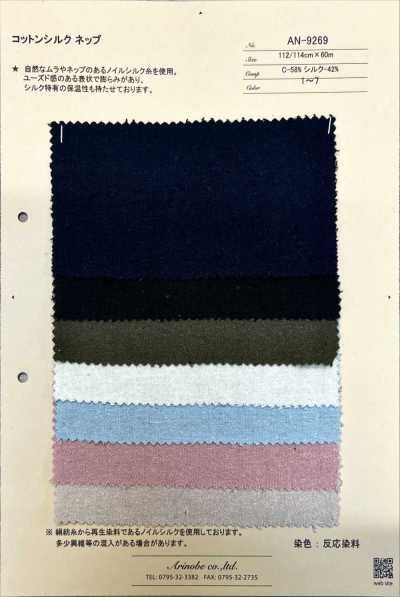
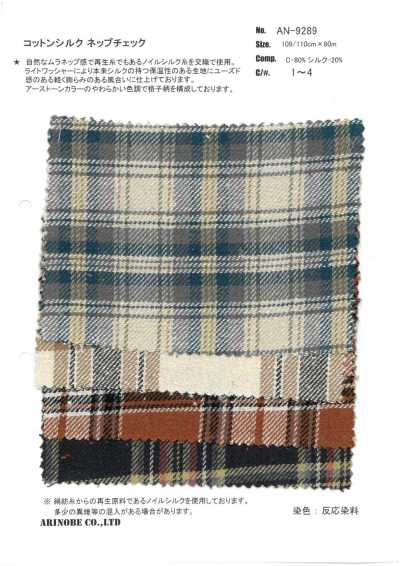
Tensan yarn tends to be thicker than ordinary domestic silk yarn, creating a fuller, more substantial appearance. When woven, it has moderate firmness and resilience within its smoothness, resulting in a texture that makes use of its natural character.
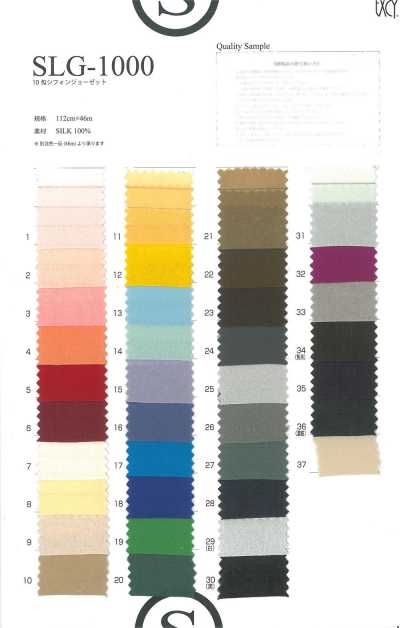
The cocoon’s pale yellow-green color is one of the distinctive features of Tensan. Since the tone and luster vary depending on degumming, dyeing, and weave structure, if the natural color is a project requirement, it should be checked with the actual material.
As a silk material, it has moisture-absorbing properties and tends to be relatively breathable against the skin. On the other hand, it may be affected by strong friction, ultraviolet light, sweat, and chemicals, so test results should be checked according to the intended application.
Main Applications
Its distinctive sheen, color, and material character make it suitable for kimono fabric and obi fabric, as well as blouses, dresses, skirts, and jackets. It is also suitable for garments and accessories that take advantage of its decorative quality and the rarity of the material.
Light to medium-weight fabric is used for spring and summer apparel, while fabric with higher density and fabric weight is used for outerwear and autumn/winter items. Seasonality is determined not only by the raw material, but also by the weave, thickness, and whether or not there is a lining.
Selection and Handling Notes
When choosing fabric, check not only the Tensan blend ratio, but also yarn thickness, weave structure, fabric weight, degree of degumming, and whether it has been dyed. Even with the same Tensan content, these conditions can greatly affect firmness, sheerness, drape, and surface appearance.
Because washing may cause shrinkage or changes in texture, follow the care tag instructions. Before production, conduct a water-wash test under the same conditions as mass production, a dry-cleaning test, and a dimensional change check, and if necessary, set up straightening and expected shrinkage allowances.
For sewing, choose a fine needle and thread suitable for the fabric so as not to damage the surface, and test sew on an inconspicuous area. Slippery light fabrics are prone to seam slippage and puckering, so adjust feed conditions, presser foot pressure, and stitch density.
When ironing, use a pressing cloth and avoid excessive heat and steam. During storage, avoid humidity and prolonged exposure to strong light to reduce the risk of discoloration and changes in texture.
Differences from Similar Terms
Silk is a general term for silk materials obtained from silkworm cocoons. Tensan refers specifically to wild silk derived from Tensan, so it is a more limited term than silk. It differs from domestic silk filament in both the silkworm species and the look of the fiber.
Tussar silk is also a type of wild silk, but the silkworm species used as the raw material is generally different from Tensan. They should not be treated as having the same meaning; the material name, blend ratio, place of origin, and dyeing or finishing specifications need to be checked individually.
FAQ
How is Tensan different from ordinary silk?
Tensan is a type of wild silk obtained from the cocoons of Tensan, a wild silkworm, and the raw material is different from ordinary silk derived from domestic silkworms. Tensan is thicker, has a natural look, and may have a pale green tint. However, the actual texture varies depending on degumming, twist, and weaving method.
Can Tensan fabric be washed at home?
Whether it can be washed with water depends not on Tensan itself, but on the fabric structure, dyeing, finishing, and product specifications. Water washing may cause shrinkage or changes in texture, so follow the care tag. In the planning stage, it is necessary to confirm dimensional change through washing tests before mass production.
Are Tensan and Yamamayu the same thing?
Yamamayu is sometimes used as a name for Tensan, but it can also refer broadly to wild silkworms or mountain cocoons, so usage varies. For purchasing and care labeling, do not judge by the name alone; confirm the silkworm species used as the raw material, the blend ratio, and the origin of the fiber in the specifications and inspection documents.