


Thermal Lining
Thermal lining is a functional lining used on the inside of garments to help keep body heat from escaping and to assist warmth during wear by reflecting and retaining heat.
Contents6 sections
Definition and Overview
Thermal lining is a lining used mainly in autumn and winter garments to help supplement heat retention. By using structures that trap air, brushed surfaces, heat-reflective finishes, and treatments that claim to store heat, it helps make better use of the warmth inside a garment. Thermal performance is not determined by the lining alone; it is also affected by the outer fabric, batting, garment ease, and the specifications of openings.
Aluminum-printed lining is a type of thermal lining that uses a metallic print on one side of the lining to reflect radiant heat. By contrast, heat-retaining lining usually refers to a function that makes heat easier to retain, and the way the name is used and how the function works vary depending on the material and finish.
Where It Is Used and Its Role
In coats, blousons, jackets, and similar garments, it is used for the body lining and sleeve lining. The body section helps supplement warmth inside the garment, while the sleeve section also helps ensure smooth on-and-off wear. When the outer fabric is a wind-resistant material, the combination with the lining should be considered to reduce the feeling of cold.
In addition to full-garment use, it can also be used partially in areas where added warmth is needed, such as the back, front body, and waist area. When used partially, it is important to match the color, thickness, and glide of facings, pocket bags, and sleeve lining, and to check the wearing comfort and sewing finish.
Materials and Types
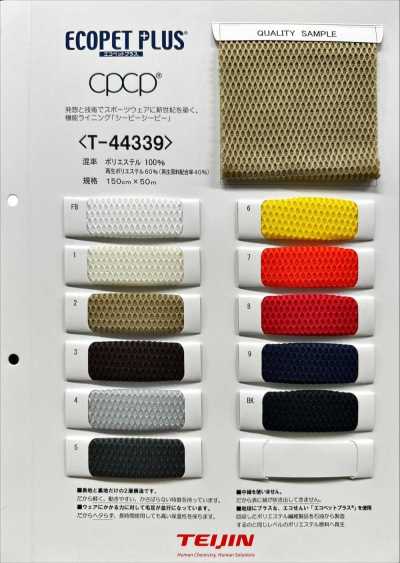
For the base fabric of thermal lining, woven and knitted fabrics made from long fibers such as polyester and nylon are often used. Options include materials that provide smoothness even when thin, materials with stretch, and materials that create an air layer through brushing; choose according to the required range of motion and desired finish.
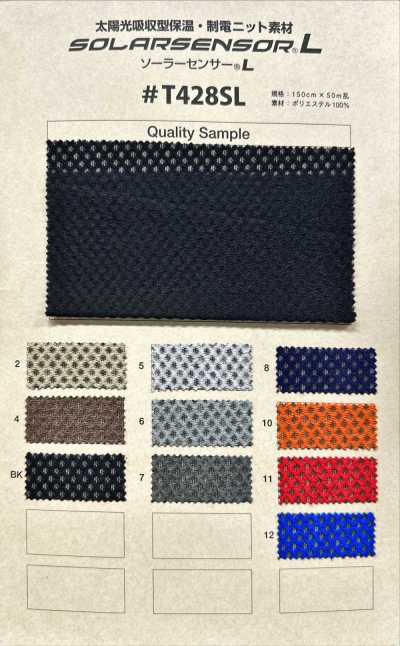
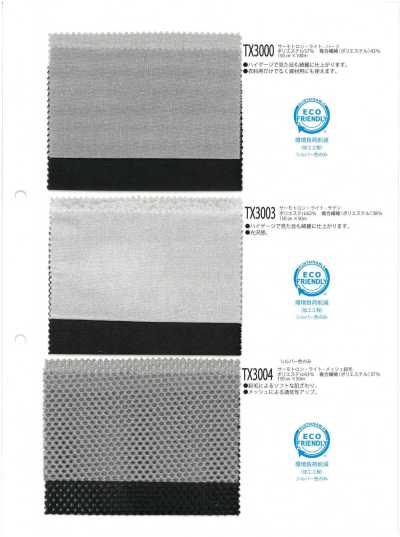
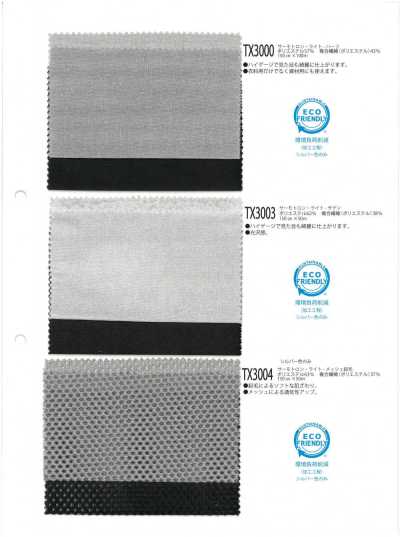
Ways of adding functionality include reflective printing using aluminum or similar materials, treatments intended to provide heat retention, and quilt lining combined with batting. For reflective-printed materials, confirm the specified face and back sides and the sewing specifications for each product, such as orienting the printed side toward the outer fabric.
- Reflective types are intended to help return body heat inward.
- Brushed types use pile and air layers to make heat harder to conduct away.
- Quilt lining integrates the lining and batting, considering both warmth and sewing efficiency.
How to Choose and Points of Caution
Compatibility with the outer fabric should be judged by thickness, stiffness, drape, and whether color shows through. With thin or light-colored outer fabrics, the color, sheen, or printed pattern of the lining may show through. Check sheerness, moire, and seam impressions in a sample with the outer fabric and lining layered together.
For sleeve lining and trouser lining, smoothness that does not interfere with putting on and taking off the garment or with movement is required. For knit or stretch outer fabrics, choose a lining that also stretches, or secure the necessary range of motion through pattern ease and partial use. If only the lining does not stretch, pulling or stress at the seams may occur.
Sewing Notes
Lining with a metallic print surface or coated surface may show changes in the surface caused by needle holes, presser foot marks, or abrasion. Test seam allowances, backstitching, and pressing conditions in advance, and adjust the needle, thread, and presser-foot pressure to suit the material.
Thermal lining may be thicker or stiffer than ordinary lining. For overlapping areas such as cuffs, hems, necklines, and pocket openings, allow for the added thickness and consider how to turn seam allowances and where to place stay stitching. After sewing, also check the glide against the outer fabric, static electricity, ease of on-and-off wear, and appearance after washing.
Frequently Asked Questions
What is the difference between thermal lining and quilt lining?
Thermal lining refers broadly to lining with a function that makes heat less likely to escape. Quilt lining generally refers to a structure in which the lining and batting are quilted together. Because quilt lining has an air layer created by the batting, it is easier to obtain thickness and warmth, but it also has a greater effect on the bulk of the product and on sewing specifications.
Which side of aluminum-printed lining should face inward?
The orientation of the printed side depends on the fabric design and specifications, so confirm the material instructions. Even when a reflective function is intended, the printed side is not necessarily meant to face the skin side. Before cutting, it is necessary to confirm the face and back sides, the area of use, seam finishing, and pressing conditions with a swatch and a sample.
Can thermal lining be used with stretch outerwear materials?
Yes, but if the lining does not follow the stretch of the outer fabric, it can lead to pulling during movement and stress on the seams. Options include choosing stretch lining, allowing extra ease where needed, or using partial specifications for the sleeves or back. Check stretch and glide during actual wearing movement.
- Search products for "thermal lining"
- Products with material "Polyester"
- Products with material "Nylon"
- Products with material "Aluminum"
- Products for style "For Outerwear/blousons/coats"
- Products for style "For Jackets/Suits"
- Products for style "Outdoor"
- Products for style "For Uniforms/Workwear"
- Browse Lining products





