Printed Lining
Printed lining is a fabric for lining with a printed pattern on the surface, used on the inside of garments to add design appeal while improving slip during dressing and undressing and the appearance of the outer fabric.
Contents6 sections
Definition and Overview
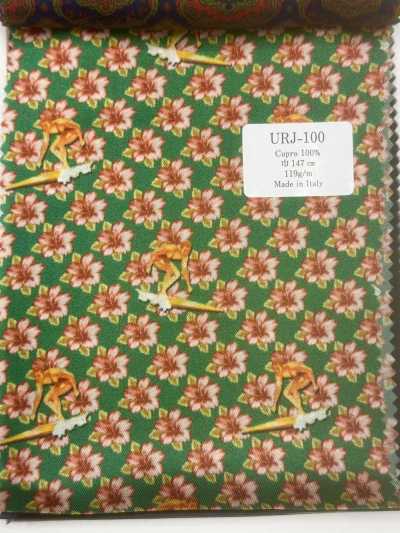
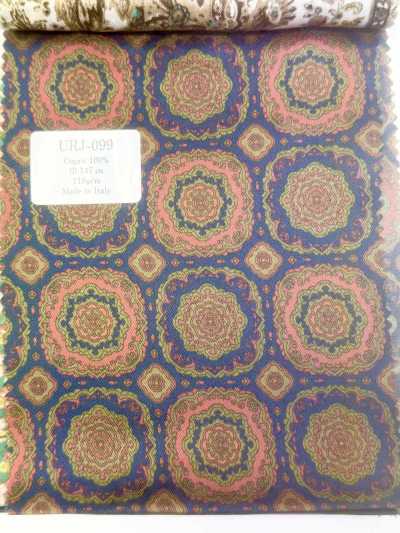
Printed lining is a lining fabric with a printed pattern such as floral, geometric, paisley, or Japanese-style designs, rather than a solid color. It is used on the inside of the outer fabric, and the pattern visible when the garment is taken off or left open is used as part of the design.
Unlike Jacquard lining, which expresses patterns through weaving, printed lining has the pattern applied to the textile afterward. Patterned lining is used as a term for printed lining, but it may also refer to lining with any kind of pattern.
Areas of Use and Functions
In jackets, coats, vests, dresses, and similar garments, it is used for parts of the body lining and facings. When used in sleeves, ease of movement when putting the arm through is also important. In pants, it may be used in sections where needed, such as around the waist or at the knee lining.
Its main functions are to cover the back side of the outer fabric and seam allowances to improve appearance, help make the garment easier to put on and take off, and add an accent to the inside of the garment. However, whether lining is used and where it is placed is determined according to the thickness, sheerness, and tailoring of the outer fabric.
Materials and Types
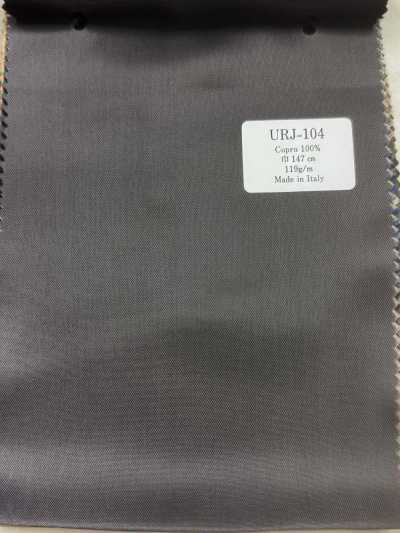
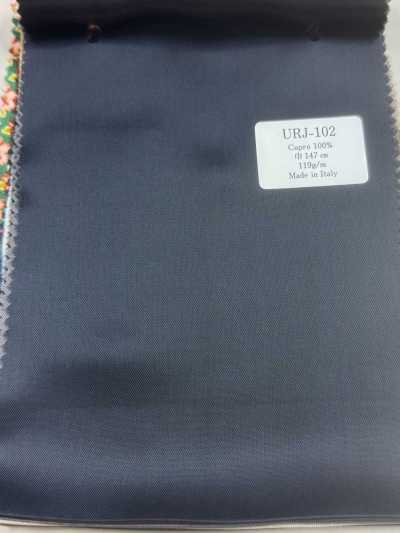
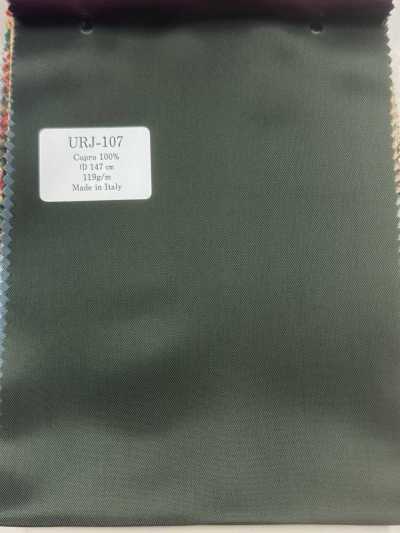
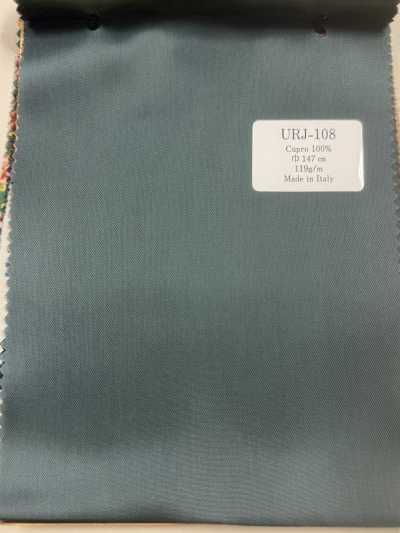
Materials used for printed lining include polyester, cupro, and rayon. Woven fabrics include smooth, slippery satin-like, taffeta-like, and twill-like types, which differ in luster, firmness, drape, and skin feel.
The printed appearance, how much dye shows through to the back side, and the texture change depending on the printing method and the number of colors. For dark colors and large patterns, it is important to check in a condition close to the finished product whether the color or pattern will affect light-colored outer fabric.
- Polyester is chosen when ease of handling and dimensional stability are important.
- Cupro and rayon are considered when suppleness and moisture absorption are priorities.
- For garments that require stretch, stretch lining that follows the stretch of the outer fabric is considered.
How to Choose and Points to Note
Compatibility with the outer fabric is judged not only by color, pattern size, luster, and thickness, but also by slipperiness during friction. When the outer fabric is brushed or has a textured surface, friction with the lining changes movement during wear and ease of putting on and taking off, so the combination should be checked.
For thin outer fabrics, light-colored outer fabrics, or sheer outer fabrics, check whether the printed color or pattern shows through on the outside. Also, if the outer fabric is stretch material, using an unstretchable lining as a full lining may interfere with movement, so design it with partial lining use in mind as well.
If washing or dry cleaning is expected, check the print’s wash fastness, rub fastness, and whether color bleeds onto the outer fabric. Since shrinkage may differ between the outer fabric and the lining, pre-testing and sample sewing are also necessary.
Sewing Considerations
During cutting, check the direction of the pattern and how it will appear on the left and right sides. For patterns with an up-and-down orientation or large motifs, mark them so the pattern placement does not vary from part to part, and match the patterns if necessary.
Slippery, thin printed lining is a material that tends to shift during cutting and sewing. To prevent seam pulling, puckering, needle holes, and changes in luster caused by heat, adjust the needle, thread, presser foot pressure, and pressing conditions to suit the fabric.
Sew with appropriate ease so that the lining does not become larger than the outer fabric. Ease is a tailoring technique that gives the lining extra room and helps reduce pulling during wear and stress on the seams.
Frequently Asked Questions
What is the difference between printed lining and Jacquard lining?
Printed lining is lining fabric with a pattern printed on the surface. Jacquard lining refers to lining in which the pattern is expressed through the weave structure. The two differ in how the pattern is created, and there are also differences in luster, texture, feel, and how the pattern appears.
Can printed lining be used with thin outer fabric?
Yes, but depending on the color and sheerness of the outer fabric, the pattern or dark areas of the lining may show through on the outside. Please check the degree of show-through by layering it with the outer fabric and holding it up to the light, as well as by sewing a sample. If necessary, choose a light-colored patterned lining or a solid lining.
What should be noted when using printed lining with stretch fabric?
If the outer fabric stretches but the lining does not, the lining may be pulled during movement, affecting comfort and the seams. Consider using stretch lining, or making the back unlined or partially lined, to match the stretch of the outer fabric and the pattern design.