Weft Bar
Weft barre is an appearance phenomenon in woven or knitted fabrics where banded color differences or variations in shade appear in the weft direction due to differences in yarn thickness, type, dyeability, and similar factors.
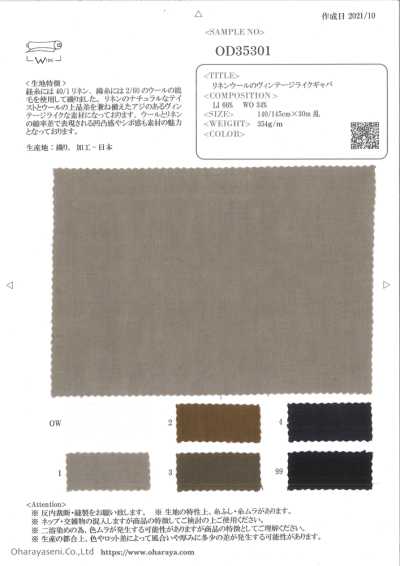
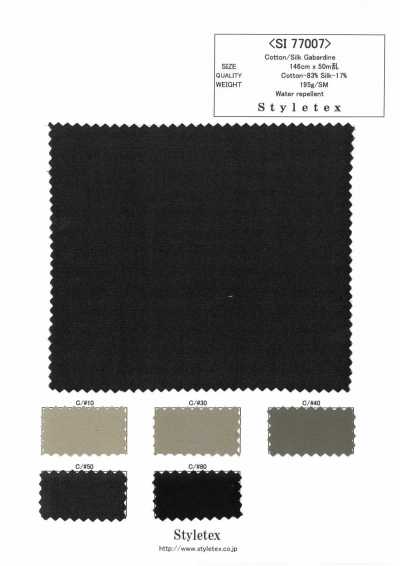
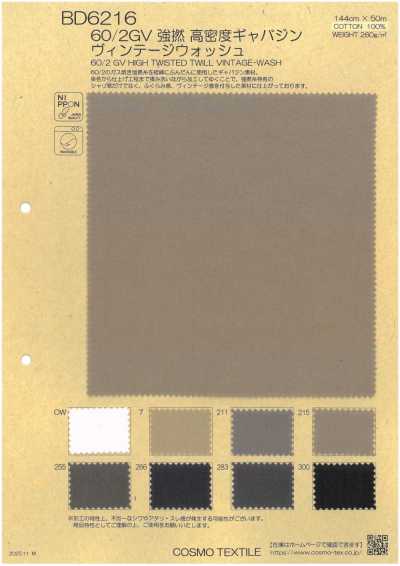
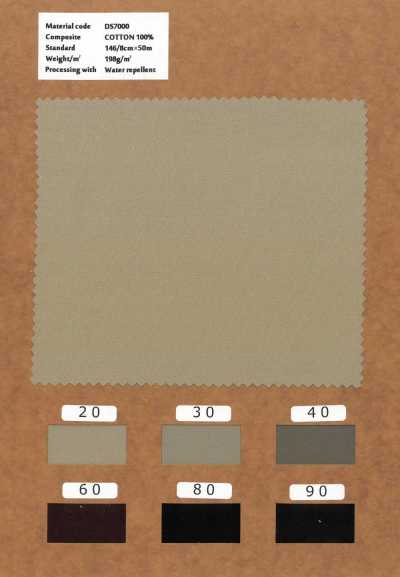
Contents6 sections
Definition and Overview
Weft bar refers to color differences, sheen differences, or density differences that appear as streaks or bands across a textile in the crosswise direction. In English, it may be called a bar or barre, and in woven fabrics it is mainly treated as a phenomenon caused by the weft yarn.
If the lot, count, twist, fiber blend ratio, or dye affinity of the weft yarn differs partially, the difference may become more pronounced after dyeing. It can also be caused by variations in tension or density during weaving, or by differences in the course direction of knitted fabric.
Effect on Appearance and Hand
Weft bar tends to be more noticeable in dark colors, solid fabrics, and fabrics with a smooth surface than in light colors. Depending on the viewing angle, it may appear as differences in shade or sheen, and the degree can range from clearly continuous bands to slight color fluctuations.
Normally, weft bar is an appearance phenomenon and does not immediately mean a lack of fabric strength or wear performance. However, if it is unintended, it impairs the product's sense of uniformity, so it becomes a quality item to check during fabric inspection.
Main Applications and Planning Considerations
Fabrics in which weft bar is less noticeable are suitable for items such as shirts, blouses, dresses, pants, and jackets, where a solid look is shown over a wide area. On the other hand, in casual wear that makes use of the material's texture, yarn slubs and shading may be treated as a natural expression.
In lightweight fabrics for spring and summer, or fabrics containing shiny yarn such as rayon filament, differences may be easier to see due to light reflection. During planning, check the appearance not only with a swatch but, if possible, with the roll opened out, using the intended color and lighting conditions.
- The visibility changes in patterned items, brushed items, and fabrics with textured weaves.
- If the position of the bands differs between cut parts, it may appear as left-right differences or as differences between the body and sleeves.
- Clearly define in the spec sheet whether the unevenness is an intentional design feature or an appearance defect to be avoided.
Selection and Handling Notes
Before placing an order, check the fabric face and back, color, and appearance differences by lot, and share the acceptable appearance standards with the supplier. To confirm how it will look in the product, it is important to check trial pieces cut from the roll. In particular, for dark colors, evaluate while also changing the lighting and viewing direction.
Weft bar itself does not necessarily occur through washing, but its appearance may change if shrinkage from washing or moisture, color fading, or fuzzing is added. Follow the care label instructions and confirm appearance changes with a test wash.
In sewing, confirm the fabric direction and the position of the bands during spreading, and manage cutting so that the left-right parts or front and back body panels of the same product do not differ greatly in appearance. For materials where weft bar cannot be avoided, establish criteria in advance for whether cutting is acceptable and how to place the parts.
Differences from Similar Terms
Weft bar is mainly a banded appearance difference that appears in the weft direction. A vertical stripe appears in the warp direction, and the cause may also differ, such as the warp yarn, warping, or loom conditions. Yarn irregularity refers to unevenness in the thickness or texture of the yarn itself, which may appear on the fabric as weft bar.
Crosswise color placement by yarn dyeing, or stripes created by printing, are intentional patterns. By contrast, weft bar usually refers to unintentional appearance differences caused by variations in yarn, manufacturing, or dyeing conditions. However, there are also uses in which it is accepted as part of the material's characteristics.
Frequently Asked Questions
Is weft bar a defect?
Weft bar is an appearance phenomenon and cannot be said to be a defect in all cases. The judgment depends on the degree, the intended use of the fabric, the quality standard at the time of sale, and whether it has been explained in advance as a material characteristic. It tends to be noticeable in solid garments, so it is important to set inspection and product acceptance criteria in advance.
What is the difference between weft bar and a border pattern?
A border pattern is a pattern that intentionally expresses horizontal lines through color placement, weave structure, or printing. Weft bar refers to unintentional shading or streaks caused by variations in the weft yarn or dyeing conditions. However, in some cases, unevenness in the material is used as a design feature.
Can weft bar be fixed by washing?
If the cause is a difference in dye uptake or yarn thickness, washing generally cannot be expected to eliminate weft bar. In fact, shrinkage, fuzzing, or color fading may change how it looks. Before mass production, perform a wash test on the finished product and check the appearance.