Wet Spinning
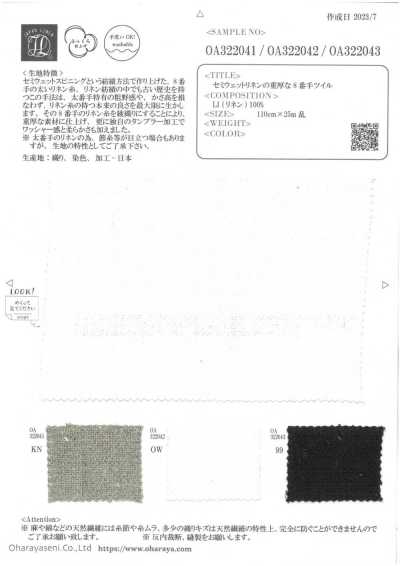
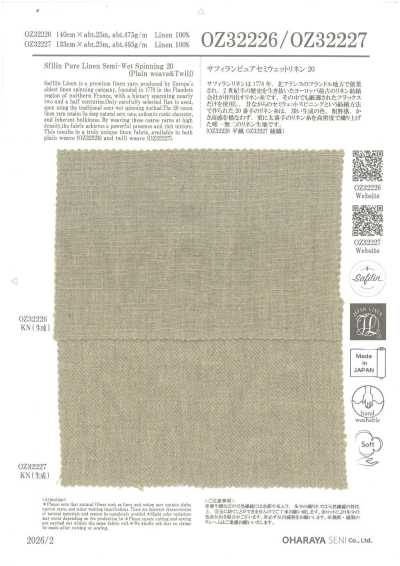
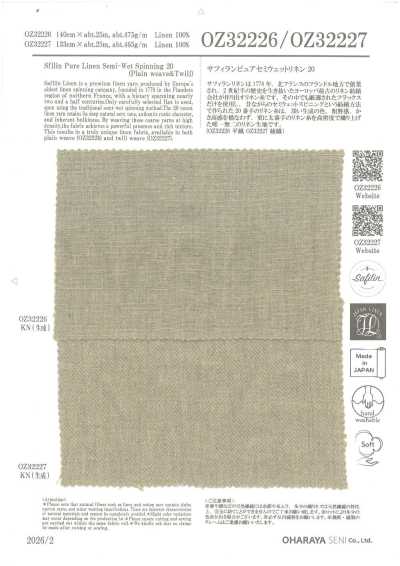
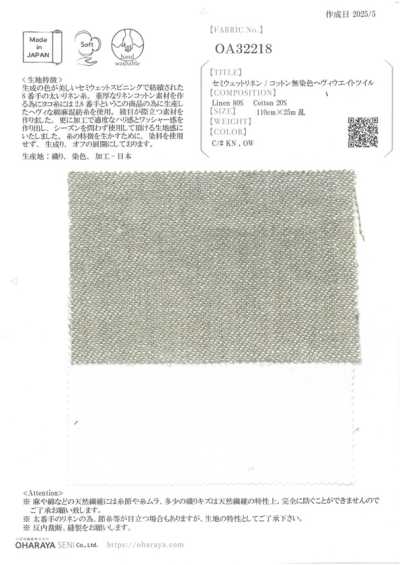
Wet spinning is a spinning method in which mainly long flax fibers are spun in water, making it easy to give linen yarn a smooth feel, luster, and a relatively even surface.
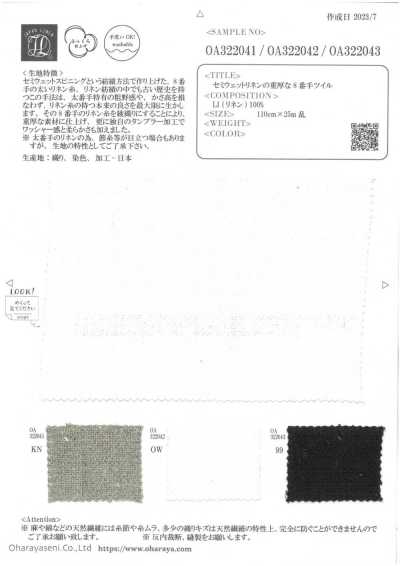
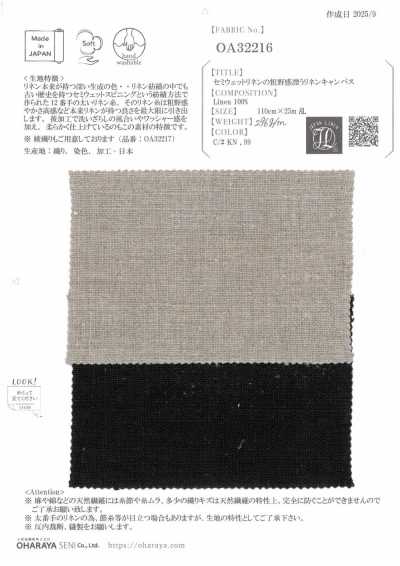
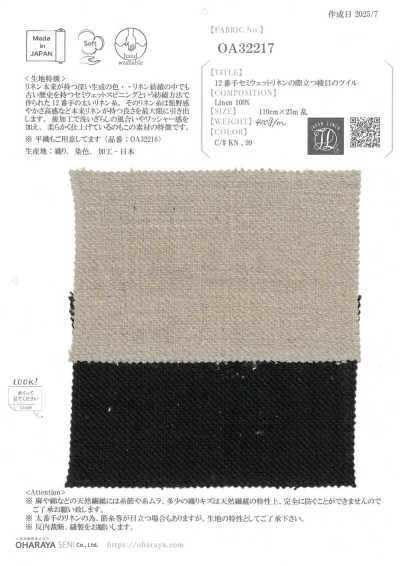
Contents6 sections
Definition and Overview
Wet spinning is a method of spinning fibers taken from flax while they are moistened with water. The action of the water makes the fiber bundle easier to hold together, and it becomes easier to draw the fibers thin and add twist. It is mainly used to make linen yarn.
Wet spinning is not the name of a material or a weave structure, but a yarn spinning method. Therefore, even with wet-spun linen, the fabric thickness, appearance, and applications vary greatly depending on the weave, such as plain weave or twill, as well as yarn count, density, and finishing.
Texture and Function
Linen yarn made by wet spinning tends to have relatively little fuzz, a smooth surface, and an easy-to-achieve natural luster. Yarn with restrained fiber knots and irregularity in thickness has a neat, refined appearance.
It is easy to make use of linen's natural absorbency, breathability, and crisp touch, so it is often used for spring and summer materials. On the other hand, softness, stiffness, and wrinkling also depend on the grade of the raw material, yarn twist, weaving density, and softening finishes.
- Fine yarn counts make it easier to express a delicate, elegant surface feel.
- Coarse yarn counts and low-density fabrics tend to create a cool feel and sheerness.
- High-density fabrics can make use of linen's characteristic stiffness for garments that hold their shape well.
Main Uses
Fabrics made from wet-spun linen are used for shirts, blouses, dresses, skirts, and pants. Fabrics with a relatively neat surface are also used for smart casual wear and light jackets.
They are suitable for spring and summer clothing where absorbency and breathability are desired. However, if the fabric is thin, it is necessary to check sheerness, underwear visibility in light colors, and seam slippage caused by friction through the garment design and specifications.
Selection and Handling Notes
When choosing fabric, do not judge it by the label wet-spun alone; check the blend ratio, yarn count, fabric weight, density, finishing, and sheerness using a sample. Depending on whether it is 100% linen or a blend with other fibers, the wrinkle behavior, drape, and dimensional change after washing will also differ.
Linen fabric may shrink when washed, exposed to moisture, or heated. Before mass production, perform a washing test on the roll or finished product, and if necessary, wet it and straighten the grain. Follow the care instructions, dry while smoothing the shape, and when semi-dry, use a pressing cloth and iron it to make it easier to finish neatly.
In sewing, choose needles and sewing thread that suit the fabric thickness, and check for seam puckering and gathering. On thin fabrics, needle holes and seam misalignment may be noticeable, so it is important to do test stitching and adjust presser foot pressure and stitch count.
Differences from Similar Terms
Wet spinning is the name of the process of making yarn, while linen is the name of the fiber and material made from flax. Wet-spun linen refers to linen yarn spun by wet spinning, or fabric made using that yarn.
Dry spinning generally refers to a method of spinning short flax fibers in a dry state, and compared with wet spinning, it tends to produce a more rustic appearance with more fuzz and irregularity. However, the actual texture varies depending on the raw material and spinning conditions, so it is necessary to inspect the actual product.
Frequently Asked Questions
Does wet-spun linen shrink when washed?
It is not possible to determine the shrinkage rate from wet spinning alone, but fabrics containing linen may change in size after washing. Because differences arise from the blend ratio, weave, density, and finishing, test under the intended washing conditions before productization and reflect the results in the pattern.
Can wet-spun linen be used for seasons other than summer?
Yes. Thin fabrics are suitable for spring and summer clothing such as shirts and blouses, but they are also used for autumn jackets, pants, and dresses by using coarse yarn counts, high density, brushed finishes, or lining. Applications are determined by the fabric weight and finish.