Hand-reeling
Hand-reeling is a method of boiling cocoons in hot water to loosen the fibers and drawing them off by hand using a reeling machine, or silk yarn made by that method.


Contents5 sections
Definition and Overview
Hand-reeling is a silk-making method that draws long fibers out of cocoons and turns them into yarn. Because a person reels the fiber while checking the state of the cocoons, uneven areas are likely to appear in the thickness and surface of the yarn, giving it a character different from machine-made raw silk.
Hand-reeling is not a fabric weaving method or a fabric name, but a term mainly used to indicate how silk yarn is made. Woven fabrics made with hand-reeled yarn as warp or weft may be called hand-reeled fabric, but the properties of the finished fabric vary depending on the structure, density, and finishing.
Texture and Appearance
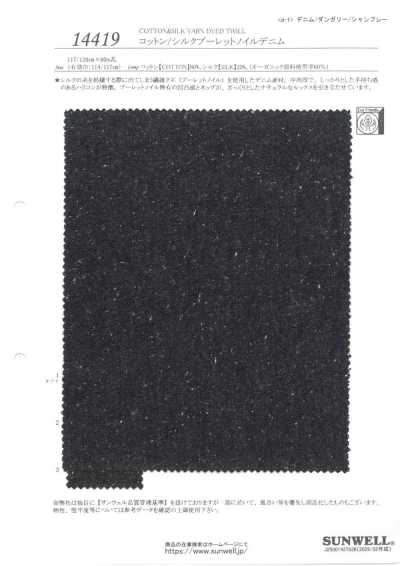
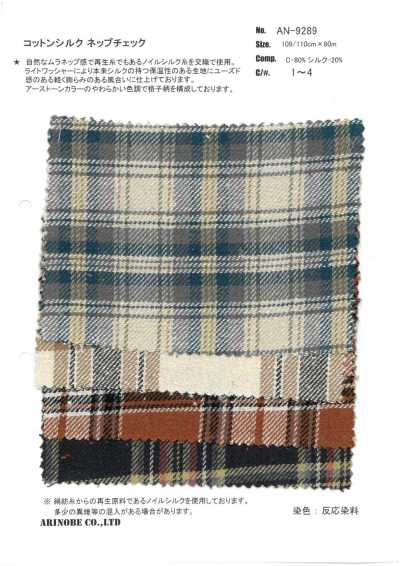
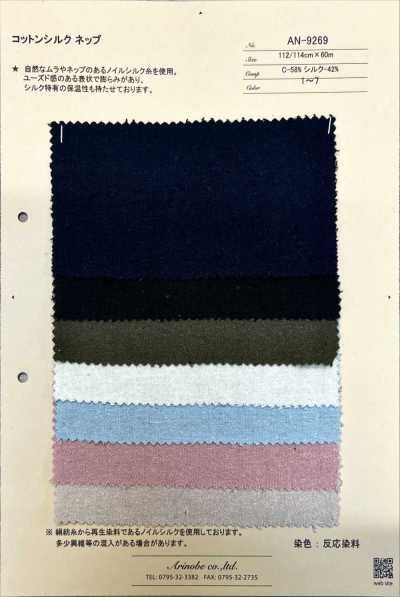
Hand-reeled yarn tends to develop natural irregularity in fiber thickness and the appearance of twist, and when woven, it shows a rustic knotted texture and a gentle luster. Unlike silk that emphasizes uniformity and strong sheen, it is a material that makes use of the rich character that comes from handwork.
While it has the suppleness, moisture absorbency, and warmth retention that are characteristic of silk, depending on the yarn quality and weaving design, it can have a slightly fuller texture and a delicate surface feel. In swatches, it is important to check the appearance of knots, sheen, sheerness, body, and drape.
Main Applications
Hand-reeled yarn is used for woven fabrics for traditional Japanese clothing that show material irregularity as part of the design, as well as blouses, dresses, scarves, and fashion accessories. By adjusting fabric thickness and structure, it can be developed from relatively light spring and summer items to seasonal items intended for layering.
It is suitable for designs that want to highlight natural yarn knots and the expression of the weave. On the other hand, for products that prioritize even surfaces, strong sheen, and strict reproducibility of color and texture, it is checked before mass production whether the unevenness characteristic of hand-reeled yarn matches the intended design.
- Clothing with Japanese or Japanese-style design
- Blouses, dresses, skirts
- Fashion goods such as scarves and shawls
- Bags and small items that make use of texture
How to Choose and Handling Notes
When selecting, check not only that it is hand-reeled, but also the blend ratio, yarn thickness, twist, weave structure, and dyeing and finishing. Because it is a natural material with handwork-derived character, there may be differences in color, knots, and weave density between lots and within a bolt. Check the productization conditions with a sample bolt.
Silk may be affected by moisture, friction, heat, and ultraviolet light. Since washing with water may cause shrinkage or changes in texture, follow the care label and the handling conditions provided by the fabric supplier. Before sewing, if necessary, carry out a test wash to check dimensional changes before and after cutting.
For sewing, choose a fine needle and a fine sewing thread suitable for the fabric, and check needle holes, seam slippage, and seam puckering with a test stitch. If there are knots or uneven yarn on the surface, strong pressing with an iron or excessive restitching may disturb the texture, so care is needed.
Frequently Asked Questions
What is the difference between hand-reeling and raw silk?
Can hand-reeled fabric be washed at home?
Whether home washing is possible cannot be determined by the fact that it is hand-reeled yarn alone. Shrinkage and color change during water washing vary depending on the weave structure, dyeing, finishing, and blend ratio. Always check the care label, and before productizing, confirm changes in dimensions and appearance through a washing test.