


Beading Needle
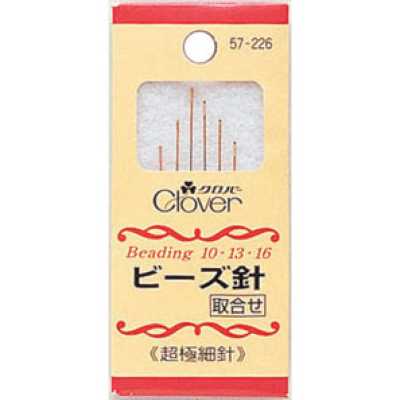
A beading needle is a hand-sewing needle with a slender shaft and a small eye that makes it easy to pass through bead holes, used for bead embroidery and sewing beads in place.

Contents6 sections
Definition and Overview
A beading needle is a needle used to thread yarn through beads with small holes, such as seed beads, and sew them onto fabric. It is often thinner and longer than a standard sewing needle, making it suitable for picking up beads continuously and for fine embroidery patterns.
The needle eye is the hole for threading yarn. Beading needles have a small eye and a thin overall shaft, so the yarn used must be selected to match the size of the bead hole.
How to Use
Thread the yarn through the needle eye, tie a knot, and bring the needle up from the back of the fabric. Thread the required number of beads onto the needle, then stitch back into the fabric, or sew each bead in place one by one. Check the bead alignment and sewing strength with a test stitch.
Where the weight of the beads is concentrated, it is effective to secure them to the fabric every few beads. On thin, easily stretched, or loosely woven fabric, use embroidery stabilizer or a pressing cloth together to prevent holes from widening and the fabric from sagging.
- Mark the stitch positions in advance and keep the left and right spacing even.
- Do not pull the yarn too tight; adjust the tension so the beads do not sink into the fabric.
- For finishing, backstitch several times on the back side, and do not cut the yarn ends too short.
Types and How to Choose
When selecting a needle, first check whether the bead hole can pass through the needle shaft and needle eye. For small beads, choose a thin needle; when using larger beads or thicker yarn, choose a needle with a little extra room in the eye. Forcing it through may damage the needle tip or the eye.
Needle length affects usability. Long needles make it easier to thread multiple beads at once, while short needles tend to be easier to handle for detailed one-by-one stitching. Decide by combining the beads, yarn, pattern, and base fabric you are using.
- Inner diameter of the bead hole and thickness of the needle shaft
- Thickness of the yarn that passes through the needle eye and the amount of fuzz
- Number of beads threaded at once and needle length
- Thickness, weave density, and elasticity of the base fabric
- Condition of the needle tip and ease of passing through delicate fabric
Care and Safety Precautions
After use, wipe off dirt and sweat with a dry cloth, and store the needle in a needle case or pincushion away from moisture. Replace needles with bent tips, rust, roughness, or damage around the needle eye, as these can cause yarn breakage and fabric damage.
Beading needles are thin and easy to break, so it is important not to force them into hard beads or beads with narrow holes. During work, do not hold the needle in your mouth, and keep track of the number of needles in use. For garments, management is needed to prevent needle breakage and contamination, including needle detection after sewing.
Difference from Similar Terms
A sewing needle is a needle used for general hand sewing of garments, and its thickness and length are chosen according to the fabric and sewing thread. A beading needle is designed first and foremost to pass through bead holes, so it is not suitable for heavy fabrics or for strong joining work.
French embroidery needles may have a relatively easy-to-thread eye, on the premise that embroidery thread will be used. Beading needles have an even thinner shaft and smaller eye, and for bead embroidery, both the bead hole and the thread used must be compatible.
Frequently Asked Questions
How should beading needles and ordinary sewing needles be used differently?
Use a beading needle when the bead hole is small and an ordinary sewing needle cannot pass through it. Because beading needles prioritize thinness, a standard sewing needle is better for joining thick fabric or for work that requires strong force. Choose based on the bead hole, yarn thickness, and base fabric.
What should I do if yarn is difficult to thread through a beading needle?
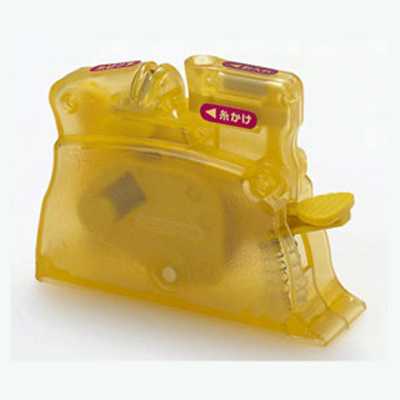
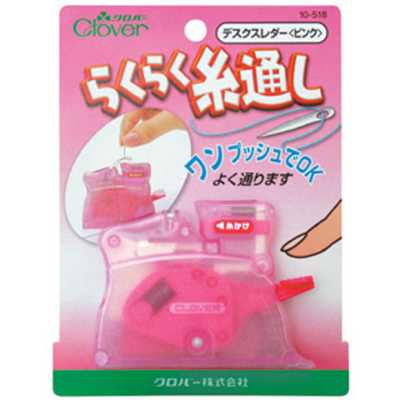
Cut the yarn end at an angle to tidy the fuzz, and thread it straight through the needle eye. If it is still difficult, the yarn may be too thick or the eye may be too small. Consider using thinner yarn or a threader, and do not force the eye wider.





