Blanket Stitch
Blanket stitch is a hand embroidery stitch sewn along the edge of fabric by looping the sewing thread, combining fray prevention and decoration.


Contents6 sections
Definition and Overview
Blanket stitch is a sewing method in which the needle is brought out from the edge of the fabric, passed through a loop of thread, and used to create stitches perpendicular to the edge with connected loops along the edge. The name is said to come from its use in finishing the edges of blankets, and it is now widely used in embroidery and handicrafts as well.
On materials such as felt, fleece, and melton, where the cut edge is not prone to fraying, it is suitable as a decorative finish that shows the stitching without folding the edge. On the other hand, with woven fabrics that fray easily, this stitch alone may not provide sufficient edge finishing.
How to Use It and Key Sewing Points
To begin sewing, hide the knot on the back side of the fabric and insert the needle at regular intervals from front to back. When you pull the thread with the loop formed on the needle tip in place, neat loops are created along the fabric edge. Keeping the sewing direction and the thread placement consistent leads to an even finish.
When securing the outline of appliqué, take stitches through both the motif side and the base fabric side at the same time. If the stitches are too coarse, the edge may lift; if they are too fine, it may look stiff, so determine the stitch spacing according to the fabric thickness and intended use.
- Keep the needle insertion points aligned along the fabric edge.
- Do not pull the thread too tight, and keep the loop size consistent.
- At corners, make the stitches slightly finer and change direction along the shape.
- When changing thread, finish with a small knot on the back side.
Types and Selection
The basic form is blanket stitch, with stitches running perpendicular to the fabric edge. By changing the stitch length and spacing, or alternating thread colors, or using multiple strands, it can be expressed as a linear pattern. On curves and small motifs, stitching with short stitches helps the line blend into the outline.
Choose the thread from embroidery floss, hand-sewing thread, wool yarn, and other options according to the fabric thickness and the desired look. Use fine thread and a fine needle for lightweight fabrics, and thicker thread and a needle that threads easily for thicker felt and similar materials. For products, also check in advance for resistance to friction and washing.
Care and Safety Precautions
Follow the care instructions for both the base fabric and the thread used when washing finished items. Dark embroidery thread and natural-fiber thread may bleed or shrink when wet, so it is reassuring to test wash a scrap piece, including a sample stitch. Also pay attention to friction on raised stitches, which can catch easily during wear or use.
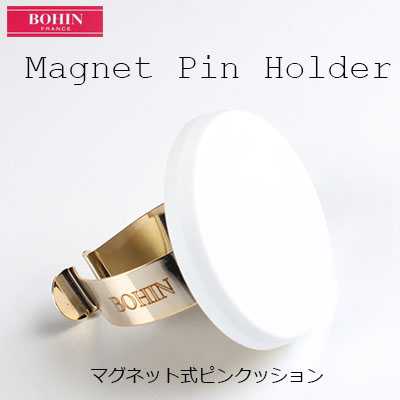
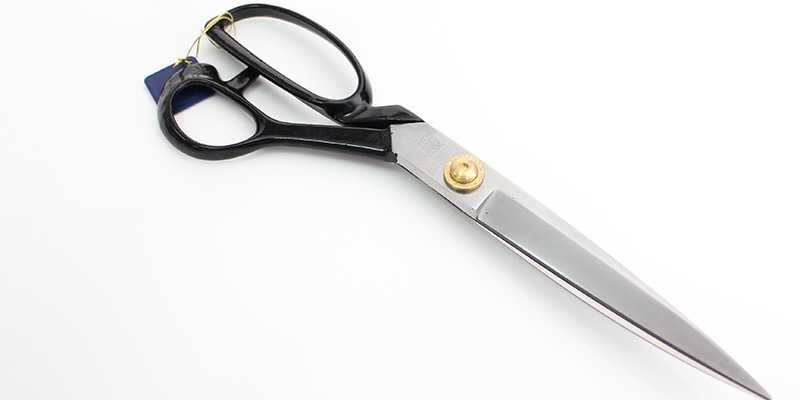
Store sewing needles and scissors in a pincushion or case when not in use, and count them after work is finished. For items and accessories used by small children, check the strength of thread finishing and the fixed condition of parts to prevent accidental swallowing or catching of thread ends, needles, and decorative parts.
Differences from Similar Terms
Blanket stitch is characterized by connected loops visible along the fabric edge. Buttonhole stitch also creates similar loops, but it generally refers to a use for tightly overcasting and reinforcing the edge of a buttonhole. Blanket stitch is often worked with wider spacing and is used for edge decoration and securing appliqué.
Satin stitch is embroidery in which parallel threads are laid side by side to fill a surface without gaps. In contrast, blanket stitch is mainly worked along outlines and edges in a linear form. Overlock is a machine overcasting stitch, and even where its use overlaps with hand-sewn blanket stitch, the stitch structure and process are different.
Frequently Asked Questions
Can blanket stitch be used as a fray stop?
On materials such as felt, where the cut edge does not fray easily, it can be used both for edge protection and decoration. However, on woven fabrics and similar materials where threads can pull out easily, it may not completely prevent fraying. If necessary, combine it with turned-edge finishing, fusible interlining, or other edge finishing methods.
How can I keep the stitches of blanket stitch neat and even?
Before sewing, marking the needle insertion points at equal intervals with tailor’s chalk or similar makes it easier to keep the width and length of the stitches consistent. Keep the pulling tension the same for each stitch, and stop where the loop settles at the fabric edge. Adjust curves and corners by making the stitches shorter.
What thread is suitable for blanket stitch?
For felt edging, embroidery floss and thicker hand-sewing thread are commonly used. Choose a more substantial thread for thick fabrics and a finer thread that blends into the fabric for lightweight materials. For clothing and bags, also check friction during use, washing, and whether color transfer to the base fabric may occur before selecting the thread.