Felt Interfacing
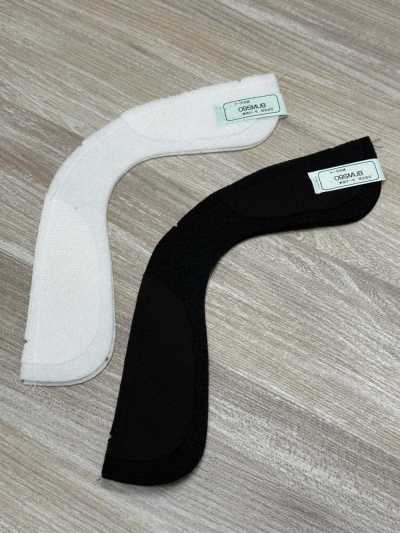
Felt interfacing is a felt-like interfacing made by entangling fibers, and it is a material mainly used to add thickness, soft support, and shape stability to areas such as the shoulders.
Contents5 sections
Definition and Overview
Felt interfacing is a felt-like interfacing made by entangling fibers into a sheet, unlike woven or knitted interlining. It is often used as adhesive felt with glue applied, and it is bonded to the outer fabric or other interlining materials to add localized thickness and shape stability.
While interlining in general is intended to prevent shape loss and make sewing easier, felt interfacing is especially suitable for uses that add fullness while softening pressure marks. It affects not only the garment’s appearance but also the look around the shoulders when worn.
Areas of Use and Role
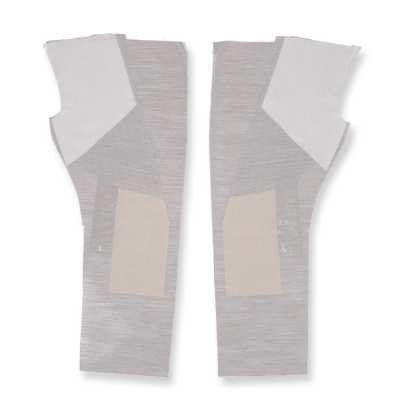
The most common use is in the construction of shoulder pads. It is combined with haircloth interlining and knitted haircloth interlining to create the necessary height and roundness at the shoulder point, while softening the contact against the outer fabric. Even with thin pads, layered interlining can help achieve a three-dimensional shape.
It is used in jackets, coats, formalwear, and other products where the shoulder shape needs to be refined. Rather than being used to rigidly fix the entire area, it is important to limit use to the necessary range in order to provide thickness and cushioning that blend well with the outer fabric.
- Add thickness and shape to shoulder pads
- Reduce pressure marks from firm interlining such as haircloth interlining
- Refine the appearance around the shoulder point and sleeve head
- Suppress sinking of the outer fabric and localized shape distortion
Materials and Types
Felt interfacing comes in different types depending on fiber composition, density, thickness, stiffness, and whether or not it has adhesive. Adhesive felt has adhesive resin on one side and is bonded to the outer fabric or other interlining by heat and pressure. Perforated versions may be used to improve breathability and allow air to escape during bonding.
Haircloth interlining is a woven type of interlining made with wool and other materials, used where tailoring finish and resilience are desired. In contrast, felt interfacing is characterized by a uniform, soft thickness created by its nonwoven felt structure. Nonwoven interlining is also a non-woven interlining, but its structure and applications do not always match those of felt interfacing.
Selection and Precautions for Adhesion and Sewing
If the outer fabric is thin or has sheen, pile, or a soft drape, choosing felt interfacing that is too thick or too stiff can make steps and pressure marks more visible on the surface. Select the minimum necessary thickness and stiffness according to the outer fabric’s thickness, stretch, and drape, and confirm the result with a sample in the actual layered condition.
For bonding, it is essential to follow the temperature, pressure, and time specified for each interlining material. If the conditions are insufficient, peeling and interlining lift can occur easily, while excessive heat or pressure may cause discoloration, shine, shrinkage, or adhesive bleed-through on the outer fabric.
Where thick felt interfacing is sewn in, attention must also be paid to unevenness caused by overlapping seam allowances. Check the needle, sewing thread, presser-foot pressure, and sewing order in advance, and adjust the setup so the fabric feeds without being pulled. This helps reduce puckering and sewing misalignment.
Frequently Asked Questions
How should felt interfacing and haircloth interlining be used differently?
Felt interfacing is suitable when you want to add soft thickness and relieve pressure marks, and it is used as a support material for shoulder pads. Haircloth interlining is an interlining material that provides tailoring resilience and shape building. The two may also be layered together to adjust stiffness, fullness, and how well the material blends with the outer fabric.
What should be noted when applying adhesive felt?
Before mass production, it is important to test with the actual outer fabric, interlining, and press machine. If the bonding conditions are not right, peeling, interlining lift, and bubbling may occur. Also check for shine, shrinkage, adhesive strike-through, and bleed-through on the outer fabric, and evaluate the condition after washing or dry cleaning as well.