Fusing Press Machine
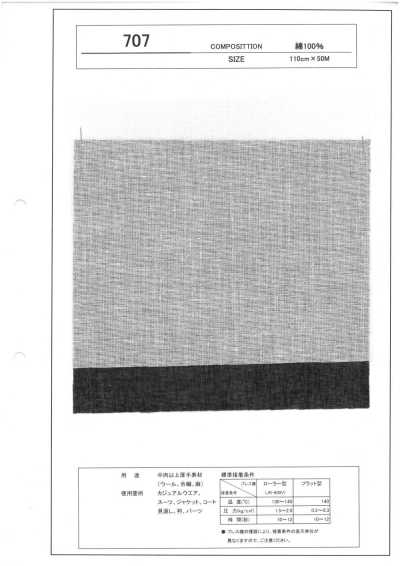
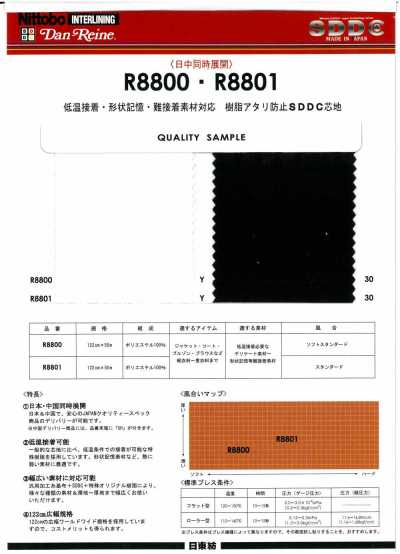
A fusing press machine is a machine that bonds fusible interlining to the outer fabric by controlling heat, pressure, and time, giving garments shape stability and the firmness needed for specific parts.

Contents5 sections
Definition and Overview
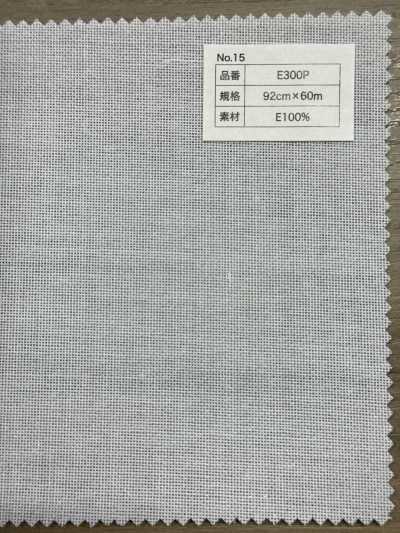
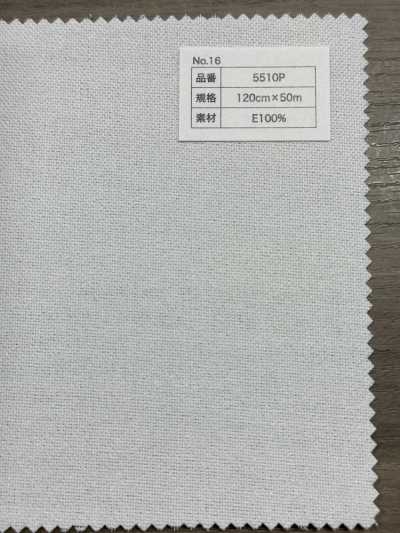
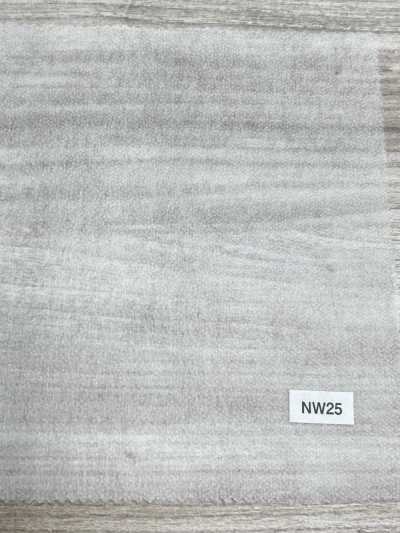
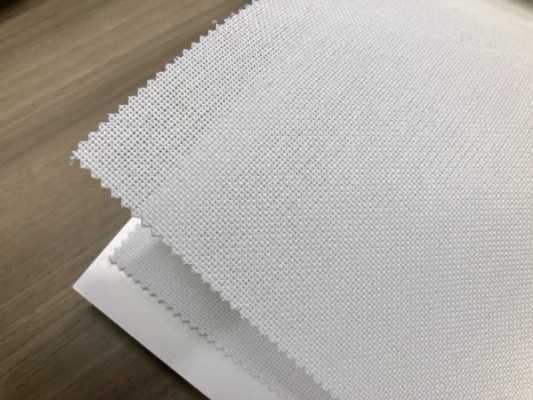
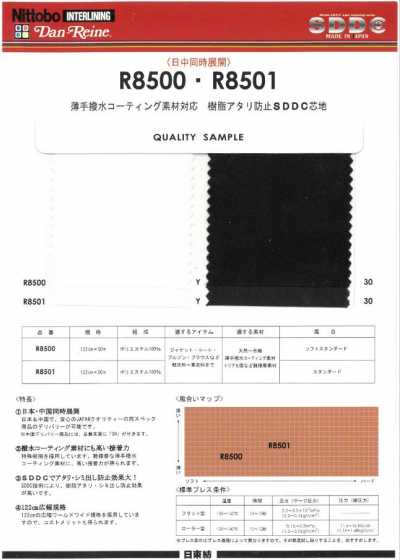
A fusing press machine is equipment that bonds fusible interlining with adhesive resin to the reverse side of the outer fabric. It melts the resin with heat and bonds it by holding it under pressure for a set time. Temperature, pressure, and time are called the fusing conditions and affect the finish and durability.
There are methods that continuously fuse while transporting the textile with rollers, and methods that press one piece at a time with flat heated plates. The former is generally called a roller press or continuous fusing machine, while the latter is called a flat press, and on the factory floor both may be referred to collectively as a fusing press machine.
Parts Used and Their Role
The main parts used are collars, front plackets, cuffs, facings, pocket openings, and waistbands. Applying fusible interlining helps prevent the textile from stretching or losing its shape, improves ease of handling during sewing, and gives the product a better silhouette.
In jackets, it is used for tailoring parts such as the front body and lapels. In shirts, it is used to maintain the shape of collars and cuffs. However, the area to be fused and the firmness are determined by the design and the characteristics of the outer fabric. Using interlining that is too firm can impair the natural drape and softness of the outer fabric.
- Maintaining the shape of collars and cuffs
- Preventing stretching in front plackets and facings
- Reinforcing pocket openings and buttonhole areas
- Adding firmness and three-dimensional shape to the front body
Methods and Selection According to the Outer Fabric
A roller press is a method in which the textile passes between a belt and rollers, making it suitable for uniform continuous fusing in mass production. The pressure applied to the textile may be controlled as line pressure, and the conveying speed is set together with the heating conditions.
A flat press is a method that is easy to use for cut parts and small areas. On the other hand, because the pressure varies depending on the condition of the press surface and how the parts are layered, confirmation through test fusing is important.
Machine type is selected according to the size of the parts to be processed, production volume, the thickness of the outer fabric, pile, stretch, and resistance to heat. For thin or soft outer fabrics, choose interlining that does not easily change the texture and use gentle conditions; for thick fabrics, consider conditions that allow the resin to set firmly.
Precautions for Fusing and Sewing
Start with the recommended values from the interlining manufacturer, then confirm them using the actual outer fabric, interlining, and press machine combination. Even with the same settings, results may differ depending on the machine, belt condition, load volume, and moisture content of the outer fabric.
In testing, check not only peel strength after fusing, but also resin strike-through, bubbling, glossing, shrinkage, firmness, and uneven fusing. After fusing, cool sufficiently and proceed to cutting or sewing only after the textile has stabilized; this helps confirm dimensional changes and bonding defects.
During sewing, fused areas may become stiffer and change needle penetration and seam appearance. Match the needle, sewing thread, and feed conditions to the outer fabric and the thickness after fusing, and confirm in advance that there is no seam slippage or puckering.
Frequently Asked Questions
How are the temperature, pressure, and time for a fusing press machine determined?
They are determined through test fusing using the outer fabric and interlining, based on the specified conditions for the fusible interlining. If only one of temperature, pressure, or time is increased excessively, it may cause changes in texture or resin strike-through. Confirm peel strength, appearance, firmness, and post-wash condition to finalize the settings.
What is the difference between a roller press and a flat press?
A roller press is a method of continuous fusing while transporting the textile, making it suitable for mass production. A flat press is a method of pressing parts with a flat heated surface, making it easier to handle small items and cut parts. Select based on required production volume, part shape, and ease of handling of the outer fabric.
What is the main cause of bubbling after fusing?
Bubbling is a phenomenon in which partial lifting occurs between the outer fabric and the interlining. It is related to insufficient or excessive temperature, pressure, or time, compatibility between the interlining and the outer fabric, differences in shrinkage of the outer fabric, and insufficient cooling after pressing. Do not make large changes to the conditions all at once; identify the cause through testing.